Dietitian's Tips for Enjoying Thanksgiving Without Guilt
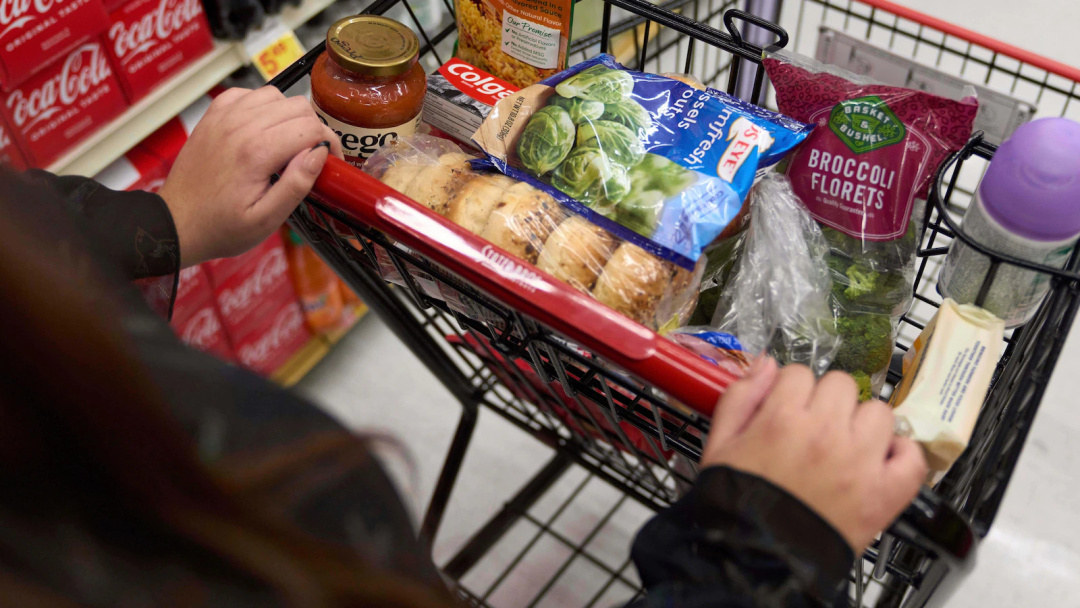
Thanksgiving is a time for celebration and enjoying delicious food, but it can also bring about anxiety regarding dietary choices. Dietitian Natalie Rizzo, who serves as the nutrition editor for TODAY.com, shares her insights on how to navigate the holiday without falling into unhealthy habits. One common mistake she observes is people skipping meals throughout the day to 'save up' calories for the big feast. This approach can lead to feelings of guilt and shame associated with eating, which Rizzo advises against.
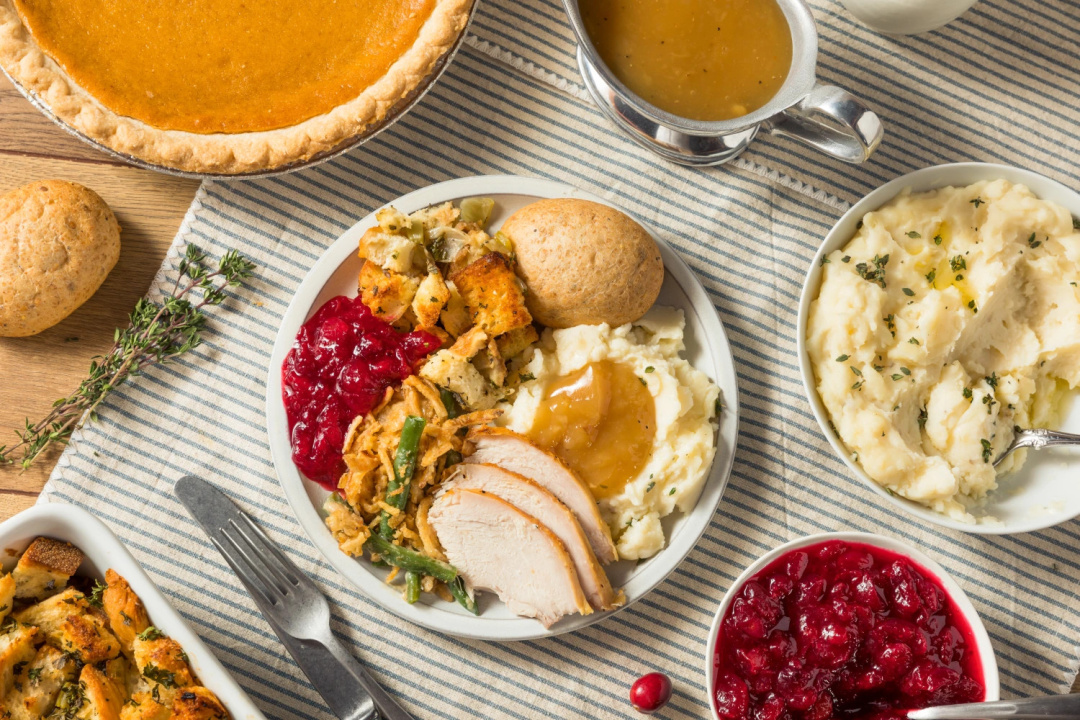
"The main thing I want people to avoid on Thanksgiving is feeling any guilt associated with eating foods you love," Rizzo states. She points out that labeling foods as 'good' or 'bad' can trigger negative self-talk and unhealthy eating patterns. Instead of viewing Thanksgiving favorites as indulgent or off-limits, she encourages people to enjoy them without guilt, reminding them that this holiday occurs just once a year.
Rizzo reassures that indulging on Thanksgiving does not have to conflict with health goals. "Remember that one day does not make or break your health goals. It’s the little things we do on a daily basis that really contribute to our health," she explains. This perspective helps to alleviate the pressure many feel during the holiday season, allowing them to focus on the joy of spending time with loved ones and savoring traditional dishes.
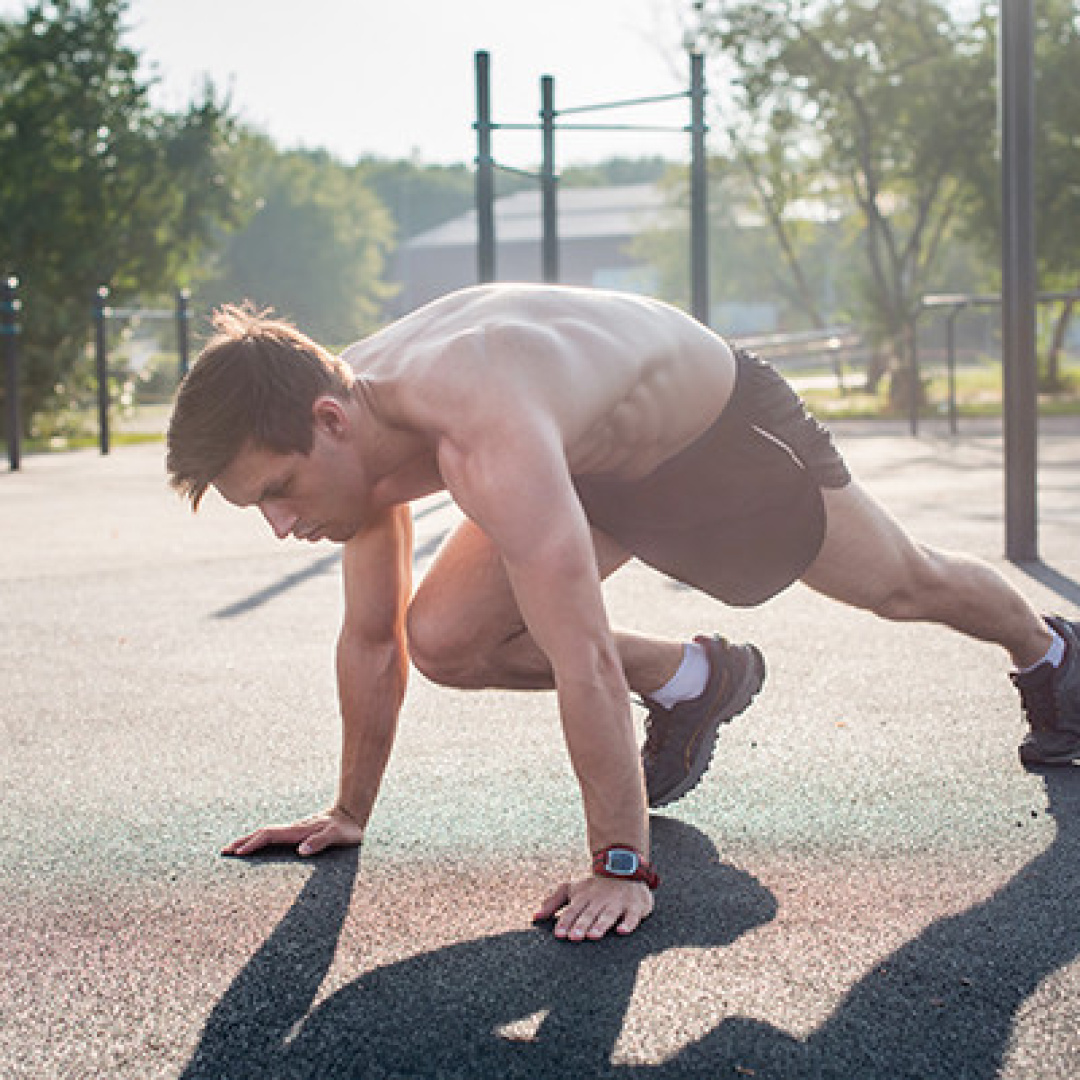
After the meal, if one finds themselves feeling overly full, Rizzo suggests some practical strategies to aid digestion. Staying hydrated is essential, so she recommends drinking plenty of water throughout the day. Additionally, a gentle walk of 10 to 20 minutes post-meal can help stimulate digestion and ease discomfort. "Holiday meals tend to be very fatty and salty, and water and movement keep the digestive system moving and may reduce some of the indigestion," she advises.
Incorporating Light Activities to Stay Active After Overeating
If a walk isn't possible, Rizzo suggests engaging in light activities, such as clearing the table or washing dishes, to keep the body moving. She also emphasizes the importance of reflecting on how one feels after overeating, as this can serve as a reminder to strive for more balanced meals in the future.
Embracing Guilt-Free Enjoyment of Thanksgiving Leftovers
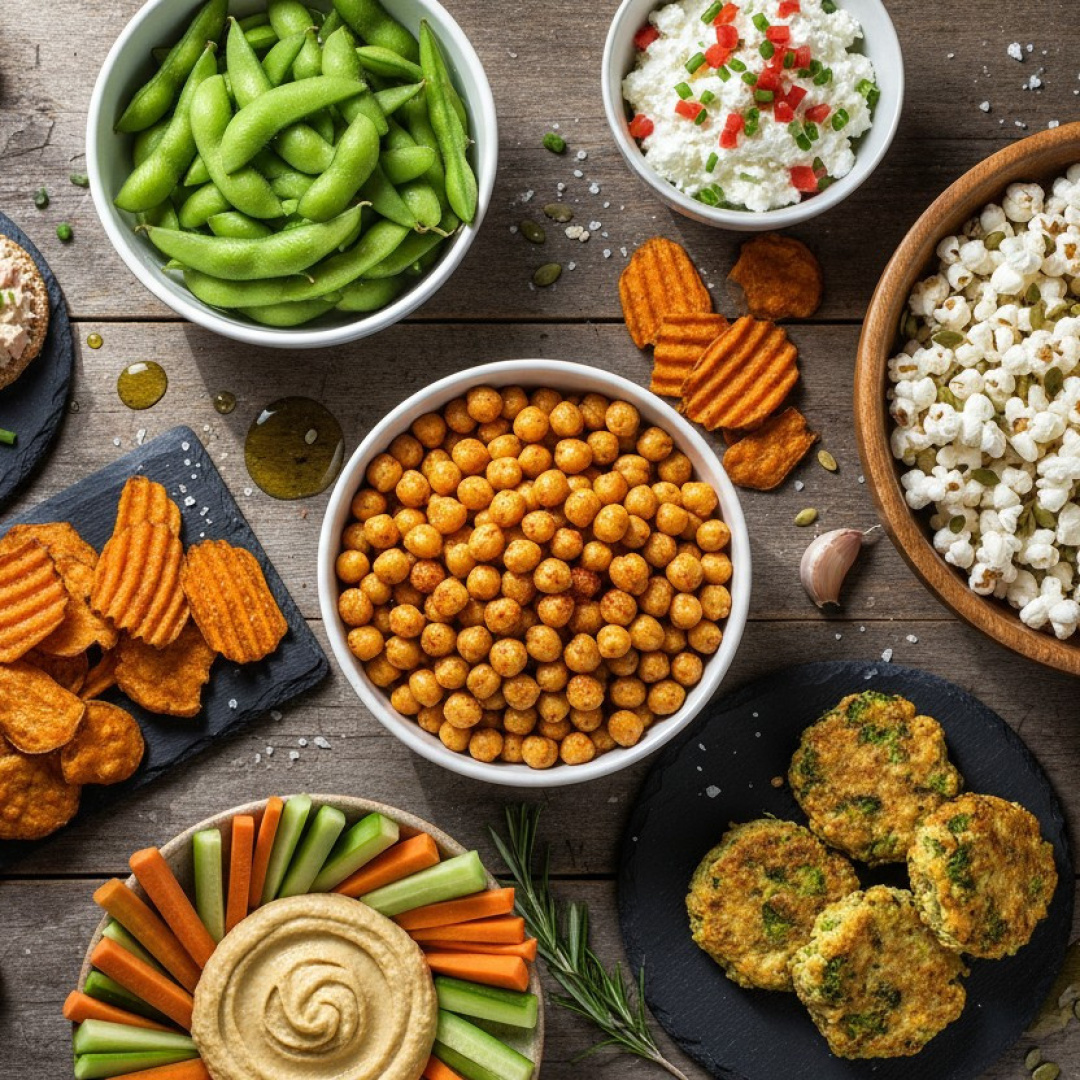
In the days following Thanksgiving, Rizzo recommends returning to regular eating patterns that include nutrient-dense foods. However, she encourages enjoying leftovers without guilt, as they can still be part of a balanced diet. Increasing fiber intake through vegetables, fruits, and legumes can also help if one feels sluggish after the holiday feast.
Ultimately, Rizzo's advice centers on the idea that Thanksgiving should be about enjoying food and creating memories rather than stressing over calories. By adopting a guilt-free approach and focusing on the experience of the holiday, individuals can celebrate in a way that aligns with their health goals while still enjoying the flavors and traditions that make Thanksgiving special.