Rising Food Prices and Consumer Attitudes Towards Sustainability
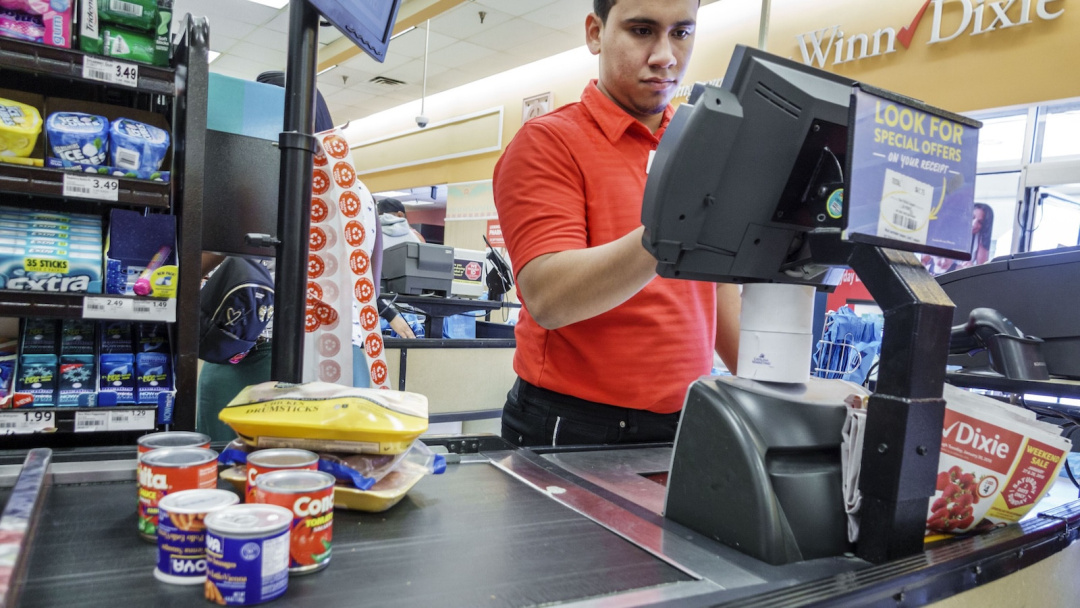
Food prices in the U.S. have been on the rise, impacting consumers' decisions when shopping for groceries. According to the U.S. Bureau of Labor Statistics, both dining out and preparing meals at home have become more expensive this year. The American Farm Bureau Federation has reported that prices for traditional Thanksgiving dinner items have increased for the first time since 2022, and economists predict that food prices will continue to rise into the next year. Factors contributing to this increase include high fuel costs, exacerbated by geopolitical tensions, and climate change, which has led to extreme weather events affecting food production.
Despite these challenges, consumer spending has not decreased. In fact, it has increased by 3.8 percent in the third quarter of this year, indicating that while shoppers are feeling the pinch at the grocery store, they are still willing to spend. This raises an important question about consumer priorities: how much do shoppers still care about sustainability when faced with rising costs? Research on this topic presents mixed findings. While some consumers are willing to pay a premium for eco-friendly products, others prioritize taste or health benefits over sustainability when making food choices.
Sandra Goldmark, a professor at the Columbia Climate School, notes that consumers desire sustainable options that are also healthy, but they are constrained by price. David Ortega, an agricultural economist, emphasizes that the practice of "voting with your dollar" has its limits, particularly when sustainable options are significantly more expensive than conventional alternatives. For example, when egg prices surged, higher-income households could afford cage-free eggs, while many shoppers opted for cheaper, conventional options.
Consumer Spending and Market Dynamics
Moreover, the proportion of consumer spending that goes towards food may not accurately reflect shoppers' influence in the market, as much of their budget is consumed by housing costs. Ortega points out that changes in industry standards, such as the shift towards cage-free eggs, have often been driven more by regulatory changes and retailer commitments than by consumer demand alone.
The Role of Consumer Advocacy in Sustainable Practices
Despite these economic pressures, history shows that consumer advocacy can lead to significant changes in corporate practices. Targeted public pressure campaigns, such as those led by the Coalition of Immokalee Workers against Taco Bell, have successfully pushed companies to adopt more ethical supply chain practices. Similarly, a Greenpeace report in the early 2000s prompted soy traders to agree to avoid purchasing soy from newly deforested lands, demonstrating the potential impact of consumer activism.
However, the recent end of the Amazon soy moratorium is a setback for conservation efforts, highlighting the ongoing challenges in aligning consumer desires with sustainable practices. Jody Kirchner from the Good Food Institute suggests that real change may require not only consumer advocacy but also policy changes and public investment in sustainable food systems. As long as sustainable options remain more expensive than conventional choices, consumers may struggle to make environmentally friendly decisions on their own. Yet, collective action and advocacy can help shift the market towards more sustainable practices, allowing consumers to make choices that benefit both their wallets and the planet.