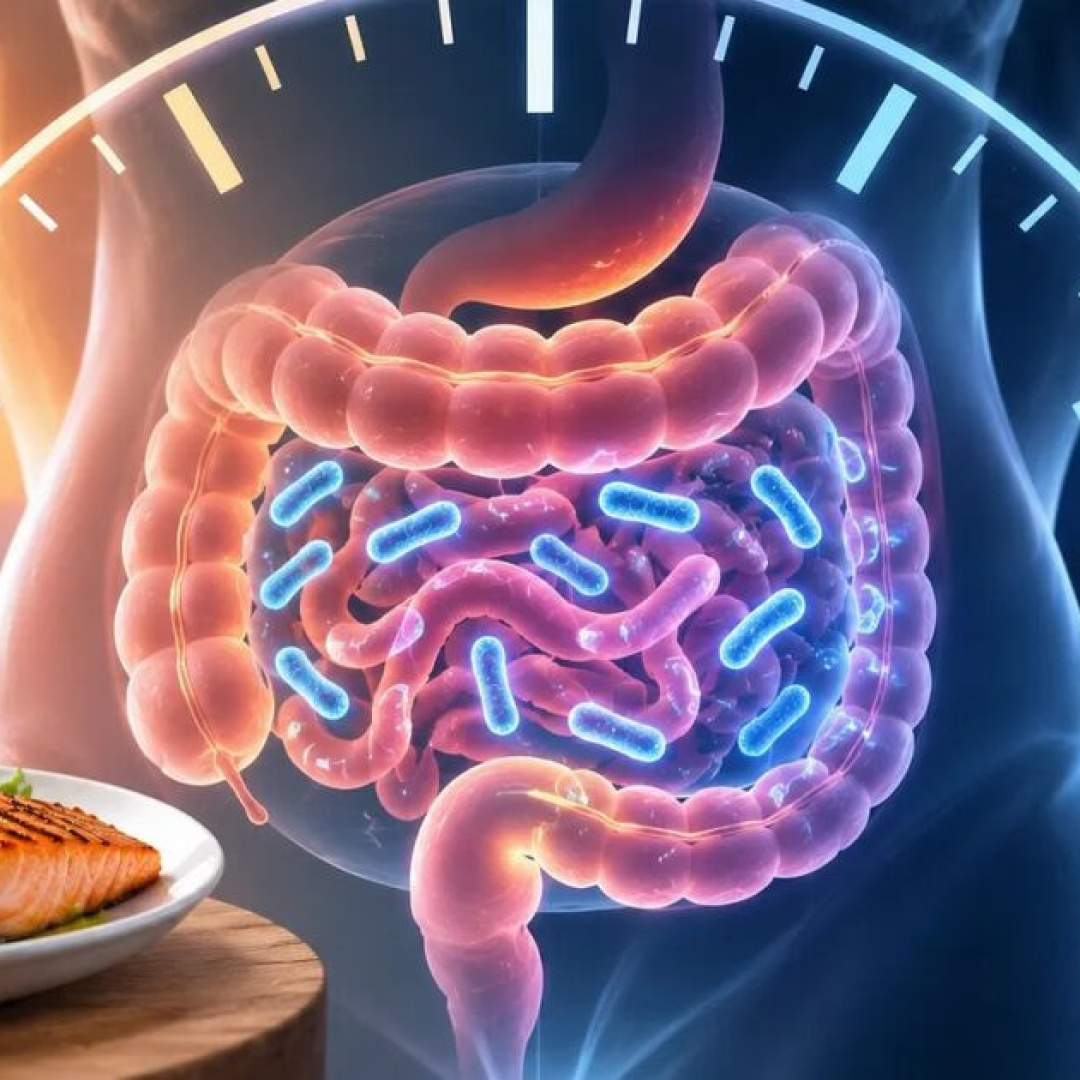
Dietitian Warns Against Skipping Breakfast to Prevent Blood Sugar Spikes

Registered dietitian Gabrielle Kishner from New York City warns that skipping breakfast and lunch on Thanksgiving can lower blood sugar levels, potentially leading to cravings for sugar and carbohydrates, which may result in overeating during the holiday meal. Although fasting to save room for a large feast might seem like a good idea, experts suggest that it can have negative health effects, and there are better ways to prepare for the big meal.
When individuals go without food for extended periods, their blood sugar levels can drop significantly, causing symptoms like headaches, nausea, and irritability. Kishner explains that when hunger strikes, people tend to eat quickly once they finally sit down to Thanksgiving dinner, often leading to a preference for high-carb and sugary foods to quickly elevate their blood sugar levels. Previous studies indicate that skipping meals during the day can result in considerably higher blood glucose spikes during dinner compared to those who consume regular meals throughout the day.
Moreover, regularly skipping breakfast has been associated with disrupted circadian rhythms, impaired insulin sensitivity, and a slower metabolism, along with compensatory eating later in the day. To mitigate these issues, Kishner recommends that individuals eat a balanced breakfast that includes carbohydrates, protein, fiber, and healthy fats within two hours of waking up. For example, a breakfast of Greek yogurt topped with berries and chia seeds or avocado toast with hard-boiled eggs can help stabilize energy and blood sugar levels, allowing diners to arrive at the Thanksgiving table feeling "comfortably hungry."
Incorporating Balanced Snacks for Better Digestion
If the main meal is scheduled for early afternoon, Kishner suggests having a balanced mid-morning snack that includes at least two nutrient groups, such as vegetables paired with hummus. The way diners construct their first plate can also influence digestion and energy levels. Kishner advises filling half of the plate with fiber-rich fruits and vegetables, which should be consumed first to slow down digestion and promote a feeling of fullness. The remaining half of the plate should be divided evenly between protein sources, like turkey, and carbohydrates, such as stuffing or mashed potatoes.
Strategies for Managing Post-Meal Discomfort
Pacing during the meal is crucial to avoid gastrointestinal discomfort. Eating too quickly can hinder the stomach's ability to break down food properly, leading to bloating and discomfort. It typically takes about 20 to 30 minutes for the stomach to signal the brain that it is full, which means that fast eaters may consume more food than necessary before realizing they are satisfied. Kishner recommends taking breaks during the meal to assess hunger levels and waiting 10 to 20 minutes after finishing a plate before going back for seconds.
For those who indulge a bit too much, gentle movement can help alleviate the post-meal slump. Kishner suggests taking a 10- to 15-minute walk with family or friends after the meal to aid digestion and regulate blood sugar levels. Blood sugar levels usually peak 30 to 90 minutes after eating, and even light walking can help mitigate glucose spikes and maintain stable insulin levels. Staying hydrated throughout the day is also important for digestion. Kishner emphasizes the importance of returning to a normal eating routine the following morning instead of restricting food intake or skipping breakfast, as this can restart the cycle of blood sugar crashes and overeating.