Brown Rice vs. White Rice: Nutritional Insights and Health Considerations
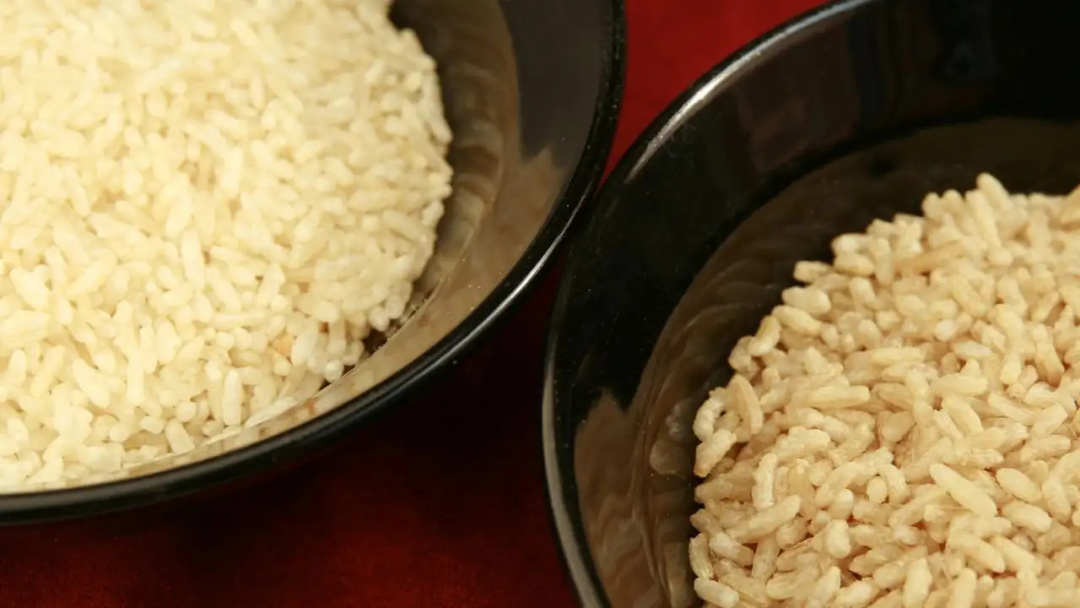
Rice has long been a staple in many Asian cuisines, but when it comes to nutrition, brown rice and white rice present distinct qualities. Brown rice, often celebrated as a whole grain, retains its bran and germ, which are rich in fiber, magnesium, and antioxidants. In contrast, white rice undergoes further milling that removes these components, resulting in a softer texture but a loss of some nutrients.
Both rice varieties originate from the same plant species, Oryza sativa. The key difference lies in their processing. Brown rice is minimally processed, keeping its fibrous bran and nutrient-rich germ intact, while white rice is polished, stripping away these beneficial parts. This additional milling process contributes to white rice's longer shelf life and quicker cooking time, but it also means that it contains less fiber and fewer minerals.
Research has shown that dietary fiber plays a significant role in digestive health and can help manage blood sugar levels. Studies indicate that brown rice may lead to a gentler blood glucose response compared to white rice, particularly when consumed as part of a balanced meal that includes proteins and healthy fats. For instance, a cohort study published in the Archives of Internal Medicine found that higher consumption of white rice was associated with an increased risk of type 2 diabetes, while substituting brown rice was linked to a lower risk.
However, it's important to note that white rice is not devoid of nutritional value. In many regions, it is enriched with iron and B vitamins, such as folate and niacin, to compensate for the nutrients lost during processing. The caloric and carbohydrate content of both rice types is relatively similar, but the rate at which these carbohydrates are digested can vary based on the meal composition and cooking methods.
Understanding Arsenic Risks in Rice Choices
One often-overlooked aspect of rice consumption is the potential for inorganic arsenic contamination. Rice plants absorb arsenic from the soil and water, and this tends to concentrate in the bran layer. Studies have shown that brown rice typically contains higher levels of arsenic compared to white rice. As such, it's crucial for consumers to consider their rice choices, particularly for vulnerable populations such as young children and pregnant individuals. Rinsing rice before cooking and varying grain consumption can help mitigate arsenic exposure.
Choosing the Right Rice for Your Meals
For many healthy adults, brown rice offers additional micronutrients and a steadier glycemic response, making it a favorable choice when paired with a variety of foods. However, for individuals with digestive sensitivities or those seeking a lighter grain option, white rice may be more suitable. Ultimately, both rice types can fit into a healthy diet when consumed mindfully. A balanced approach that considers portion sizes and overall meal composition is key to enjoying the benefits of both brown and white rice.
In conclusion, neither brown nor white rice needs to be completely eliminated from a diet. A thoughtful approach to meal planning can incorporate both varieties effectively. Brown rice can be used when seeking added fiber and texture, while white rice may be preferred for its digestibility and versatility in traditional dishes. By balancing portions with proteins and vegetables, consumers can enjoy the unique benefits that both types of rice provide, contributing to a varied and nutritious diet.