Sodium Butyrate Triggers Apoptosis in Liver Cancer Cells via Ferroptosis Mechanisms
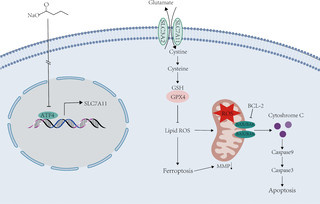
Liver cancer remains a significant global health concern, being the third leading cause of cancer-related deaths. Among its various forms, hepatocellular carcinoma (HCC) accounts for about 80% of primary liver cancers. Factors contributing to its development include viral infections, alcohol consumption, and metabolic disorders. Current treatment options have not significantly improved survival rates, highlighting the need for new therapeutic strategies. A recent study published in PLOS One investigates the effects of sodium butyrate (NaB), a short-chain fatty acid produced by intestinal microbiota, on liver cancer cell proliferation. The research reveals that NaB can suppress the growth of liver cancer cells through mechanisms involving ferroptosis and apoptosis. The study utilized a CCK-8 cytotoxicity assay to measure the impact of NaB on cell viability and found that it induces significant cellular changes. Specifically, NaB treatment led to decreased expression of ATF4 and SLC7A11, which are critical in regulating cellular responses to stress. Concurrently, levels of malondialdehyde (MDA) and reactive oxygen species (ROS) increased, while glutathione (GSH) levels decreased in treated cells. These alterations suggest that NaB promotes ferroptosis, a form of regulated cell death characterized by iron dependency and lipid peroxidation. The study also observed mitochondrial dysfunction in NaB-treated cells, evidenced by a reduction in mitochondrial membrane potential and increased mitochondrial ROS accumulation. This mitochondrial damage triggered a cascade leading to the release of cytochrome C and activation of caspases, culminating in apoptosis. In vivo experiments corroborated these findings, showing that NaB treatment increased iron content in liver cancer tissues and upregulated markers associated with apoptosis. The study emphasizes the potential of sodium butyrate as a therapeutic agent against liver cancer, particularly through its ability to induce ferroptosis and apoptosis via the ATF4/SLC7A11 pathway. These insights could pave the way for innovative treatment approaches targeting liver cancer, although further research is necessary to fully understand the implications and therapeutic potential of NaB in clinical settings.