The Planetary Health Diet: Balancing Nutrition and Sustainability
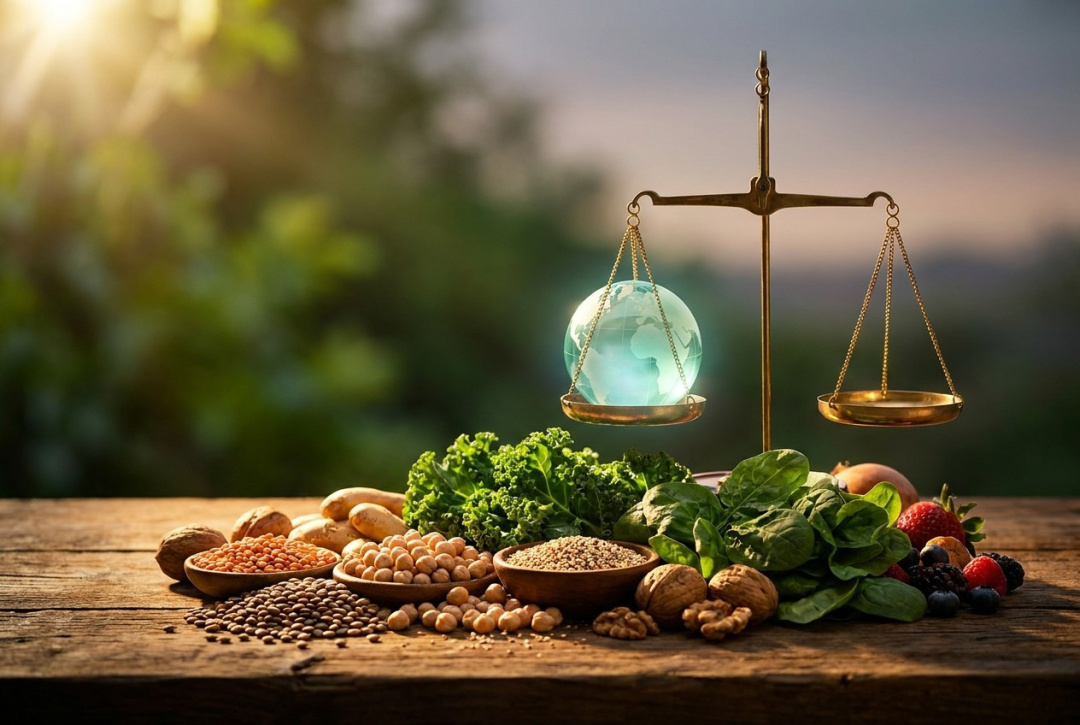
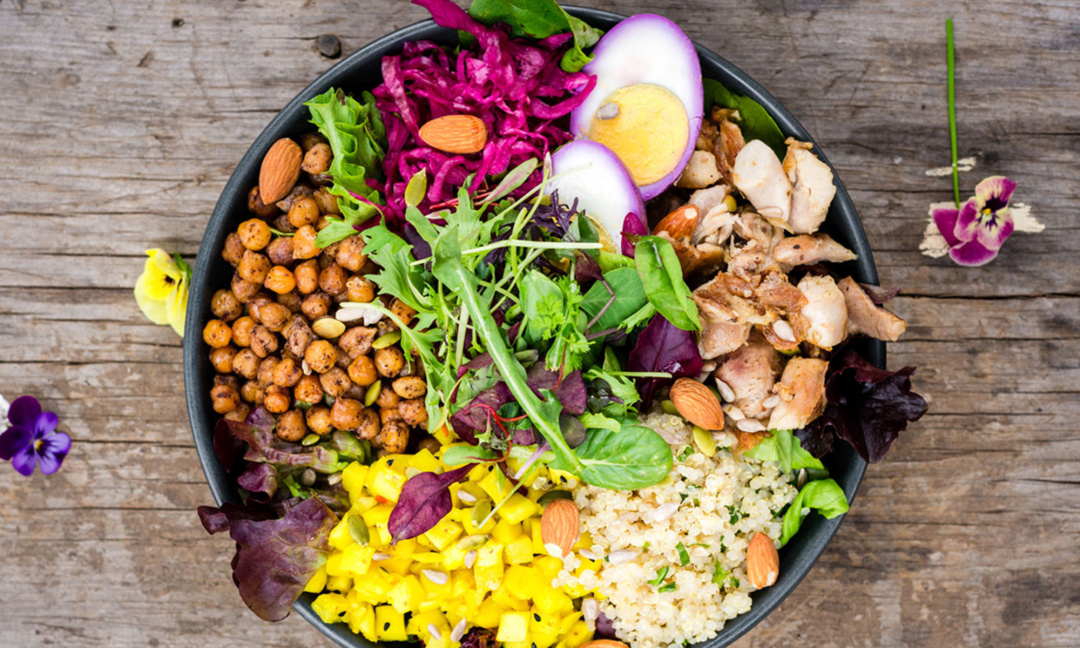
A study published in Frontiers in Nutrition reveals that individuals who closely follow the Planetary Health Diet, which prioritizes fruits, vegetables, legumes, whole grains, nuts, and unsaturated oils while limiting red meat, refined grains, and added sugars, experience enhanced diet quality and a reduced carbon and water footprint. The research involved 571 Turkish adults, and findings indicated that those most committed to the diet were approximately nine times more likely to consume a high-quality diet compared to those who adhered less strictly.
However, the study also uncovered an important caveat: among the strictest followers of the diet, there was a noticeable decrease in vitamin B12 intake. This is significant because vitamin B12 is crucial for nerve function and red blood cell formation, and it is predominantly found in animal products. Therefore, individuals reducing their meat consumption should consider incorporating high-quality meat or poultry occasionally or using supplements to ensure adequate B12 levels. The goal is not to eliminate animal products entirely but to find a balance that supports both health and sustainability.
The researchers evaluated each participant's dietary habits using two indices: the Planetary Health Diet Index, which assesses alignment with the diet's principles, and the Healthy Eating Index-2020, a recognized standard for diet quality. They also estimated the carbon emissions and water usage associated with each individual's food choices based on a 24-hour food recall.
Results showed a clear correlation: higher scores on the Planetary Health Diet Index were associated with better diet quality and lower environmental impacts. While many nutrient intakes improved with increased adherence to the diet, vitamin B12 was a notable exception, highlighting the need for mindful dietary planning.
Starting Small: Simple Swaps for Healthier Eating
For those hesitant to make drastic changes to their eating habits, the transition can begin gradually. Simple swaps can make a significant difference. For example, replacing deli meats with canned salmon in a lunch salad, snacking on walnuts instead of chips, cooking with olive or avocado oil instead of butter, and choosing whole grains like brown rice or quinoa over white rice can help crowd out ultra-processed foods without feeling deprived.
Embracing Flexibility in Dietary Choices
This approach does not require perfection or the complete elimination of certain foods; rather, it offers a flexible framework that can adapt to various cultural preferences and nutritional needs. Research from Harvard nutrition experts supports this idea, noting that even moderate adherence to the Planetary Health Diet is linked to lower cardiovascular risks. In a long-term study involving over 65,000 postmenopausal women, those who followed the diet more closely had a 28% lower risk of cardiovascular issues compared to those who adhered the least.
Ultimately, the key takeaway is that individuals can make meaningful dietary changes at their own pace. The flexibility of the Planetary Health Diet allows for personal choice in food selection, encouraging a healthier lifestyle while also considering the planet's well-being. The fork is the only tool necessary; how one chooses to use it is entirely up to them.