Study Links Higher Ultra-Processed Food Consumption to Blood Cancer Risk
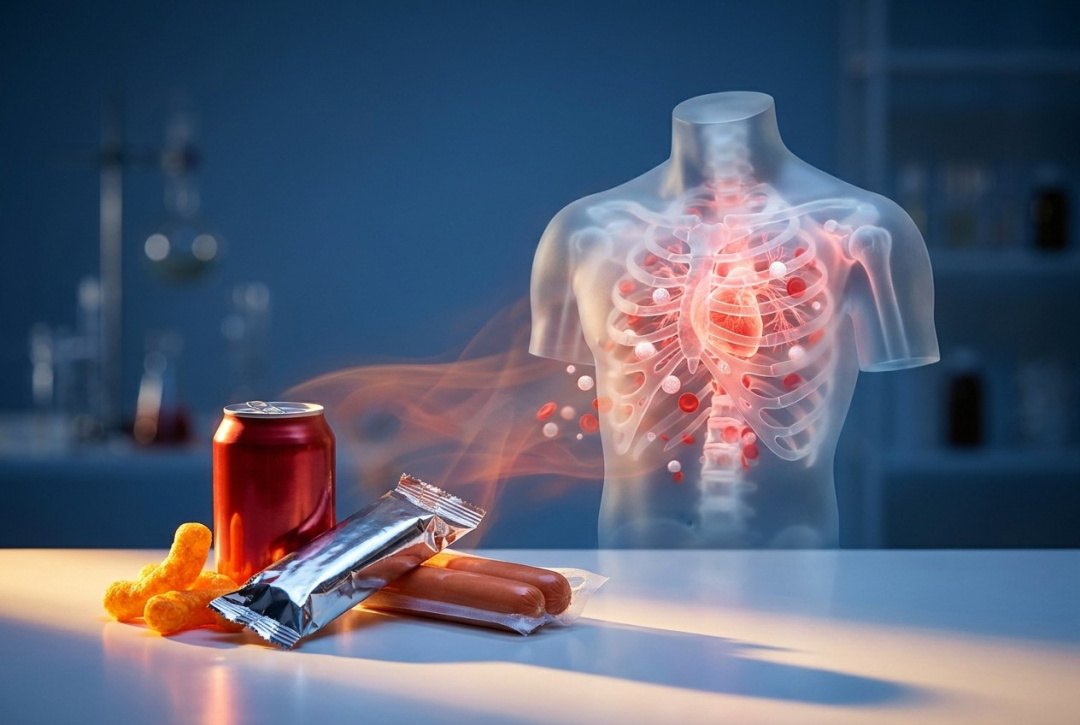
A recent study published in The American Journal of Clinical Nutrition has revealed a concerning link between the consumption of ultra-processed foods and an increased risk of developing myeloid neoplasms, a group of blood cancers that affect blood-forming cells in the bone marrow. The study found that for every one-standard-deviation increase in the percentage of calories derived from ultra-processed foods, participants exhibited a 12% higher relative hazard of developing these cancers. Notably, the association was even stronger for myeloproliferative neoplasms, which are rare cancers characterized by the bone marrow producing an excess of blood cells, showing a 15% higher relative hazard per standard-deviation increase.
This observational study, which utilized data from the UK Biobank, followed participants who did not have hospital-recorded myeloid neoplasms at the start of the study for a median period of 10.5 years. During this time, 848 participants were diagnosed with a myeloid neoplasm. The researchers adjusted their findings for various factors, including age, smoking, physical activity, body measurements, and overall diet, to isolate the potential relationship between ultra-processed food consumption and cancer risk from other lifestyle and dietary habits.
The study employed the NOVA classification system, which categorizes ultra-processed foods as industrial formulations that bear little resemblance to natural foods. These foods are typically energy-dense, high in added sugars, trans fats, sodium, and synthetic additives, while being low in dietary fiber. The researchers emphasized that their findings do not establish causation, as the observational nature of the study means it cannot definitively prove that ultra-processed foods cause these cancers. Instead, the reported hazard ratios reflect differences in cancer risk among participants with varying levels of ultra-processed food consumption.
In addition to examining myeloid neoplasms, the researchers also looked at clonal hematopoiesis of indeterminate potential (CHIP), an age-related condition that can increase the risk of certain blood cancers. Interestingly, the association between ultra-processed food intake and blood cancer risk persisted even among individuals without detectable CHIP at the beginning of the study. Furthermore, the study identified connections between ultra-processed food consumption and various biological markers related to inflammation, immune function, and fat metabolism, suggesting potential biological mechanisms that warrant further exploration.
Where Authors Meets Highlighted
The authors of the study highlighted that their research contributes to a growing body of evidence linking ultra-processed food consumption to various chronic diseases. Previous studies have shown associations between high intake of these foods and increased risks of overall cancer, as well as specific types such as ovarian and brain cancers. They noted that while the study provides valuable insights, the mechanistic understanding of how ultra-processed foods may influence cancer risk remains incomplete. The study did not specify which particular foods or ingredients might be responsible for the observed associations.
Practical Dietary Changes to Mitigate Cancer Risks
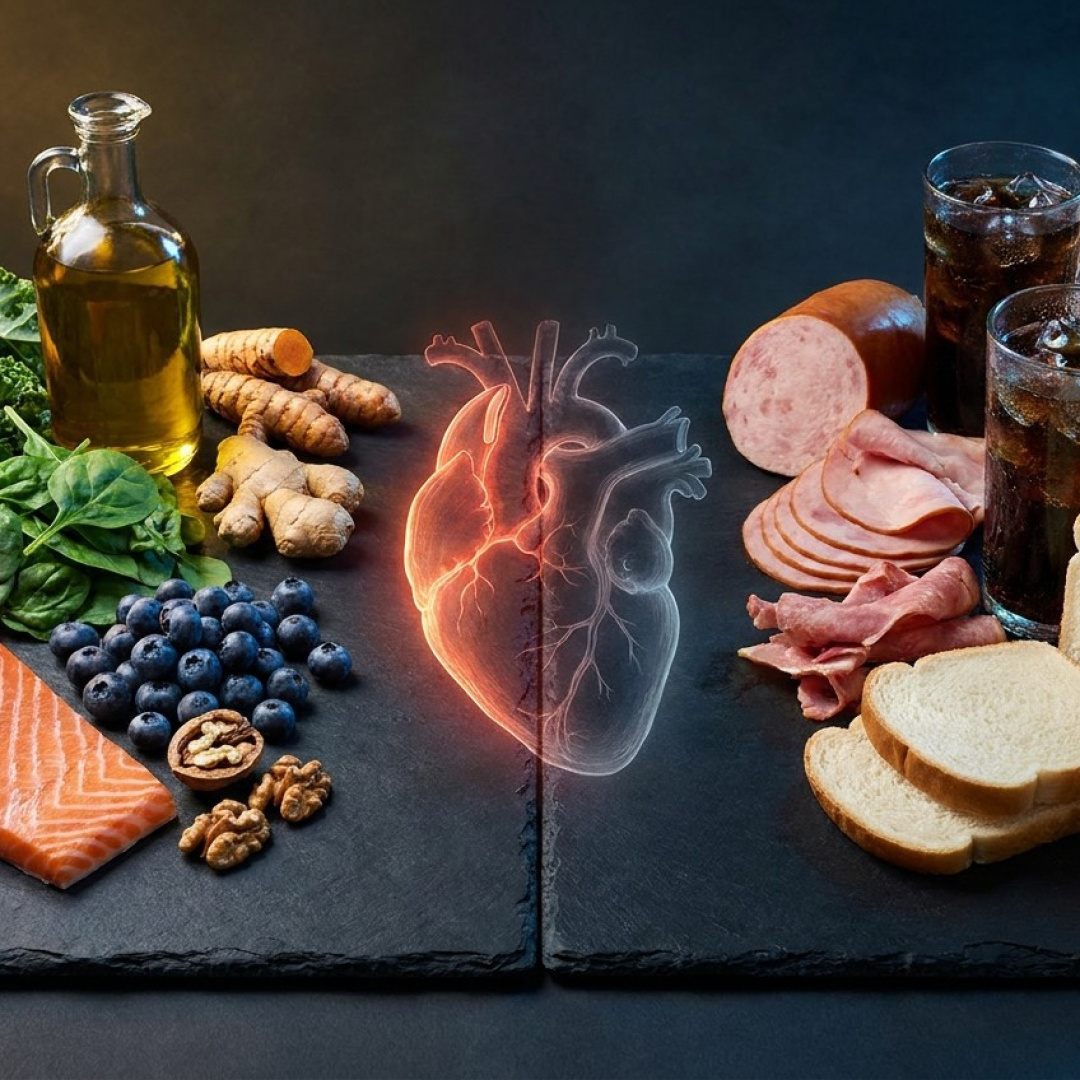
Given the implications of these findings, nutrition researchers often recommend practical dietary changes to reduce reliance on ultra-processed foods. Suggestions include replacing sugary breakfast bars with whole foods like oatmeal, berries, and nuts, as well as keeping minimally processed staples such as canned beans, frozen vegetables, and whole grains readily available. These changes can help individuals make healthier food choices and potentially lower their risk of chronic diseases, including certain types of cancer.
As the researchers call for further investigation into the specific foods and dietary patterns that may contribute to blood cancer risk, the study serves as a reminder of the importance of mindful eating and the potential health impacts of dietary choices.