AHEI Diet Linked to 27% Lower Risk of Cognitive Decline

Eating for brain health typically involves familiar recommendations: increasing vegetable intake, ensuring adequate healthy fats, and minimizing processed foods. However, a recent review has delved deeper into whether some healthy eating patterns are more beneficial for cognitive health than others.
The review compared three established diet-quality scores: the Healthy Eating Index (HEI), the Alternate Healthy Eating Index (AHEI), and the Dietary Approaches to Stop Hypertension (DASH). These scores assess diet quality based on different food group priorities, all of which encourage the consumption of fruits, vegetables, and whole grains but differ in how they evaluate specific foods.
Researchers analyzed data from 207 studies involving nearly 4 million participants, focusing on long-term health outcomes related to neurodegenerative diseases and cognitive impairment. This review represents the third update, incorporating research published through February 2025.
Among the three diet-quality scores, the AHEI emerged as the most significant. Individuals with the highest AHEI scores exhibited a 20% lower risk of neurodegenerative diseases compared to those with the lowest scores. More strikingly, the association with cognitive impairment was even stronger, indicating a 27% lower risk for those adhering to the AHEI diet.
In contrast, the other two scores showed less consistent outcomes. The HEI did not demonstrate a clear link to neurodegenerative disease risk, while the DASH diet was associated with a 20% lower risk of cognitive impairment but showed no significant association with neurodegenerative diseases overall. Thus, the AHEI consistently stood out across both cognitive health metrics.
The Role of Food Choices in Health
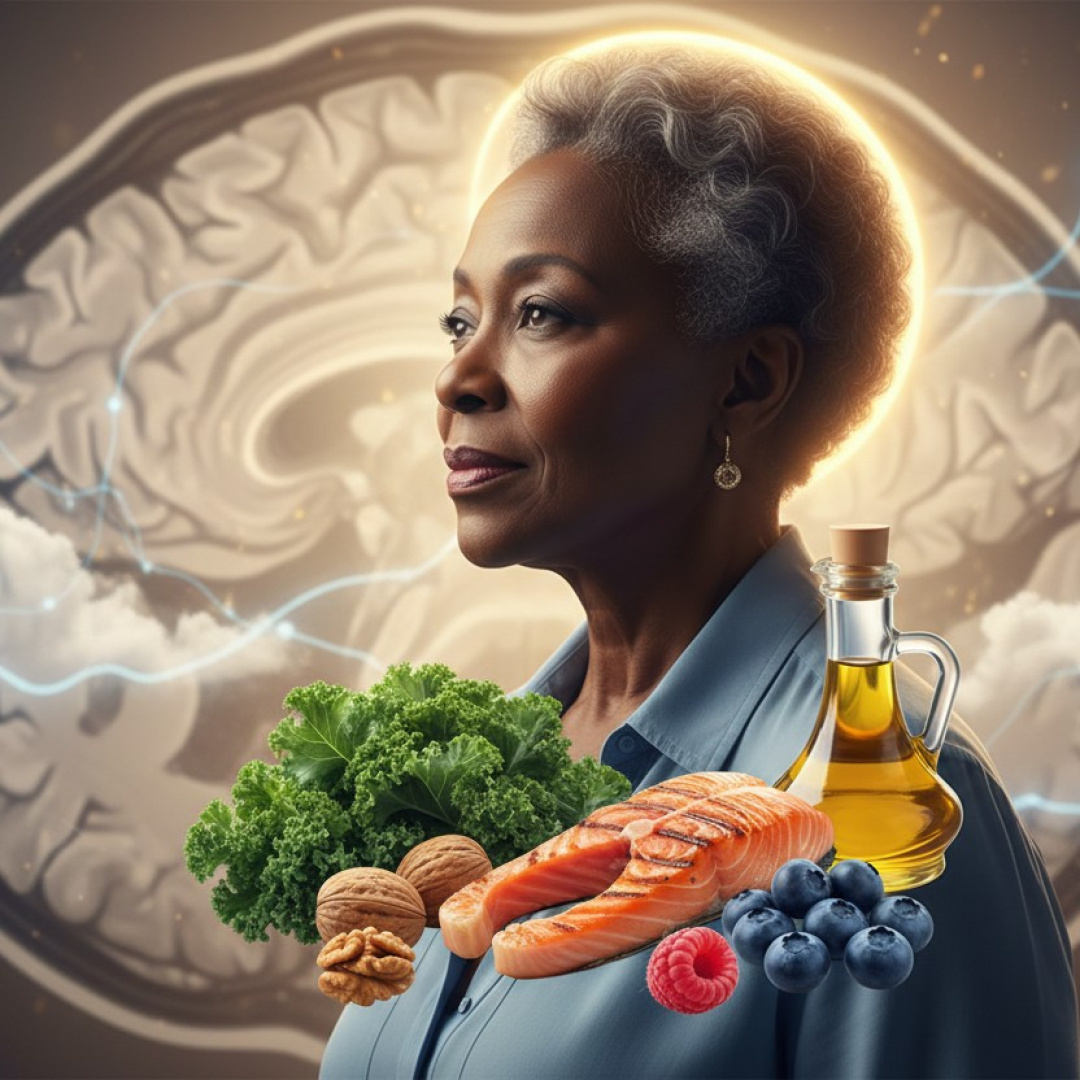
This does not imply that the other dietary patterns are unhealthy; rather, it suggests that the specific foods emphasized in a diet can influence its relationship with long-term health. The AHEI diet places greater emphasis on vegetables, fruits, nuts, and healthy fats, while it encourages limiting red and processed meats as well as sugary beverages.
The benefits of these foods are multifaceted. Fruits, vegetables, and nuts contribute fiber and antioxidants, while healthy fats from sources like fish and nuts support normal brain function. Additionally, limiting processed meats and sugary drinks may enhance metabolic health, which is closely linked to cognitive health.
The researchers also pointed out that combinations of whole grains, vegetables, fruits, nuts, and fish are associated with improved health outcomes, suggesting that the overall mix of foods consumed may be more important than any single ingredient.
Simple Changes for Better Brain Health
You don’t need to overhaul your entire diet to align more closely with the AHEI pattern. Small, practical changes can help incorporate more of its recommended foods into your daily routine. By prioritizing produce, nuts, and healthy fats while reducing processed meats and sugary drinks, you may enhance your brain health.
Your brain may appreciate a little more intention at mealtimes. The AHEI diet, which emphasizes a variety of nutrient-dense foods, demonstrates a strong association with better brain health outcomes. This finding serves as an additional motivation to include more plant-based foods in your meals, ultimately supporting cognitive function as you age.