Study Reveals MIND Diet May Enhance Cognitive Resilience in Aging Adults

Cognitive aging is a natural process, influenced by various structural changes in the brain, such as the accumulation of white matter lesions and a decrease in cortical volume. Traditionally, these changes were thought to lead to cognitive decline. However, recent findings suggest that this isn't always the case. A study published in Frontiers in Nutrition has provided new insights into how dietary choices can impact cognitive health in older adults, particularly through adherence to the MIND diet.
The researchers aimed to investigate whether the quality of diet could influence the relationship between brain pathology and cognitive performance. They recruited 66 older adults, aged 60 to 82, who were at an increased risk for dementia due to family history or personal cognitive concerns. Notably, around 65% of the participants identified as Black, and 73% were female, highlighting the importance of including diverse populations in brain health research.
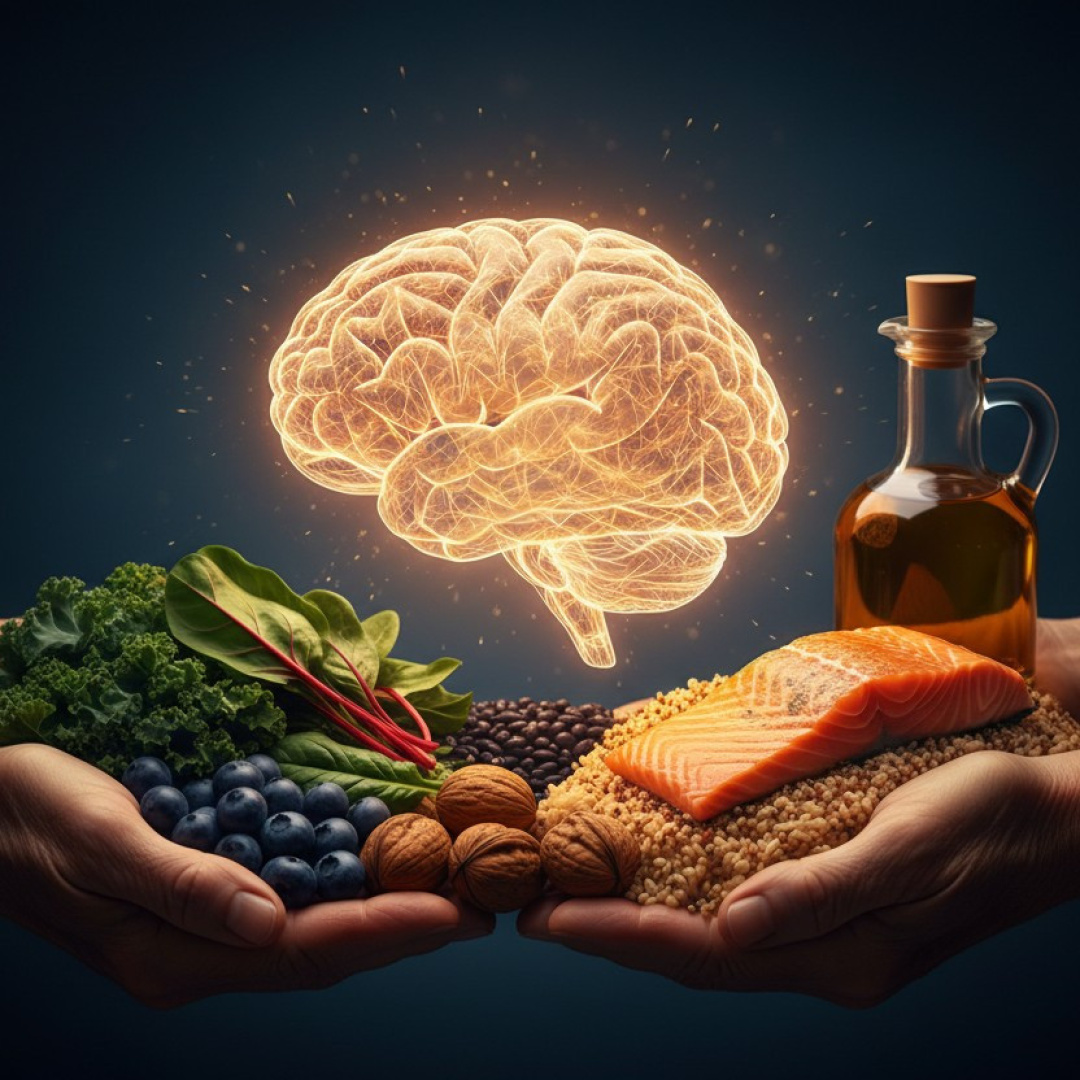
Participants completed a food frequency questionnaire that allowed researchers to evaluate their overall diet quality. From their responses, the team calculated both a MIND diet score, which emphasizes brain-supportive foods such as leafy greens, berries, beans, whole grains, olive oil, nuts, and fish, and a Healthy Eating Index score, which measures adherence to general U.S. dietary guidelines.
The study also involved MRI scans to measure markers of brain pathology linked to cognitive decline and dementia risk. Researchers assessed various cognitive functions, including memory and executive function.
The findings revealed that participants with higher MIND diet scores generally performed better on memory tests. More importantly, the study uncovered a significant interaction between diet and brain pathology markers. Typically, a greater burden of white matter hyperintensities (WMH) correlates with worse cognitive function. However, this relationship was only evident in participants with low adherence to the MIND diet. For those with higher MIND diet scores, the expected cognitive decline associated with WMH was notably reduced. A similar protective effect was observed regarding cortical volume, where lower volumes predicted poorer cognition but only among those with low MIND diet adherence.
Understanding Cognitive Resilience and the MIND Diet's Role
This phenomenon, termed "cognitive resilience," refers to the brain's ability to maintain cognitive function despite underlying pathological changes. The MIND diet appears to support this resilience, suggesting that dietary choices can play a crucial role in cognitive health as we age.
Interestingly, the Healthy Eating Index did not demonstrate the same protective effect, indicating that the cognitive resilience observed was specific to the MIND diet. This diet, designed for neuroprotection, combines elements of the Mediterranean and DASH diets, focusing on foods with strong evidence supporting brain health.
The MIND Diet: A Pathway to Enhanced Cognitive Health
Foods included in the MIND diet are rich in antioxidants and anti-inflammatory compounds, which may help mitigate oxidative stress, support the integrity of the blood-brain barrier, and enhance synaptic function. These mechanisms could explain the positive effects on cognition that general healthy eating guidelines do not specifically address.
In conclusion, following the MIND diet may not only help maintain cognitive function in the face of age-related changes but also support overall metabolic health. This makes it a beneficial dietary pattern for older adults aiming to enhance their cognitive resilience and overall well-being.