MIND Diet Linked to Reduced Brain Shrinkage in Long-Term Study
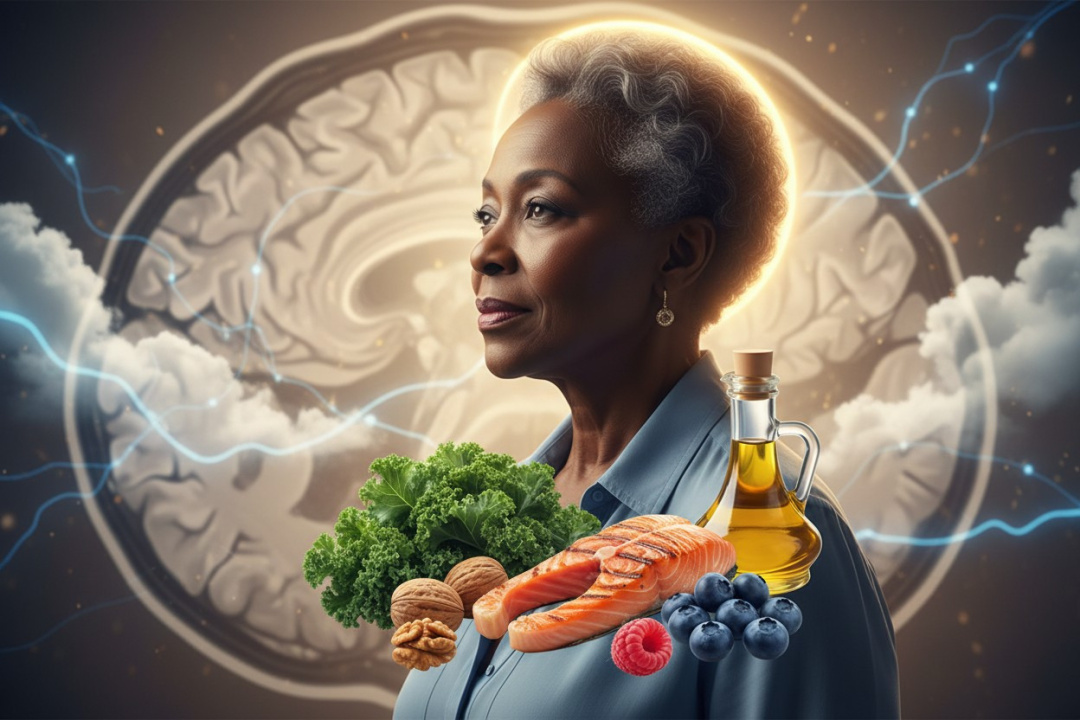
Every adult brain begins to lose tissue after midlife, but a major 12-year study published in November 2026 in the Journal of Neurology, Neurosurgery & Psychiatry reveals that dietary choices may significantly influence the rate of this loss. Researchers tracking 1,647 adults from the Framingham Heart Study found that those who adhered closely to the MIND diet exhibited significantly slower brain shrinkage compared to those who did not follow the diet, suggesting that dietary modifications at any age can help protect cognitive function.
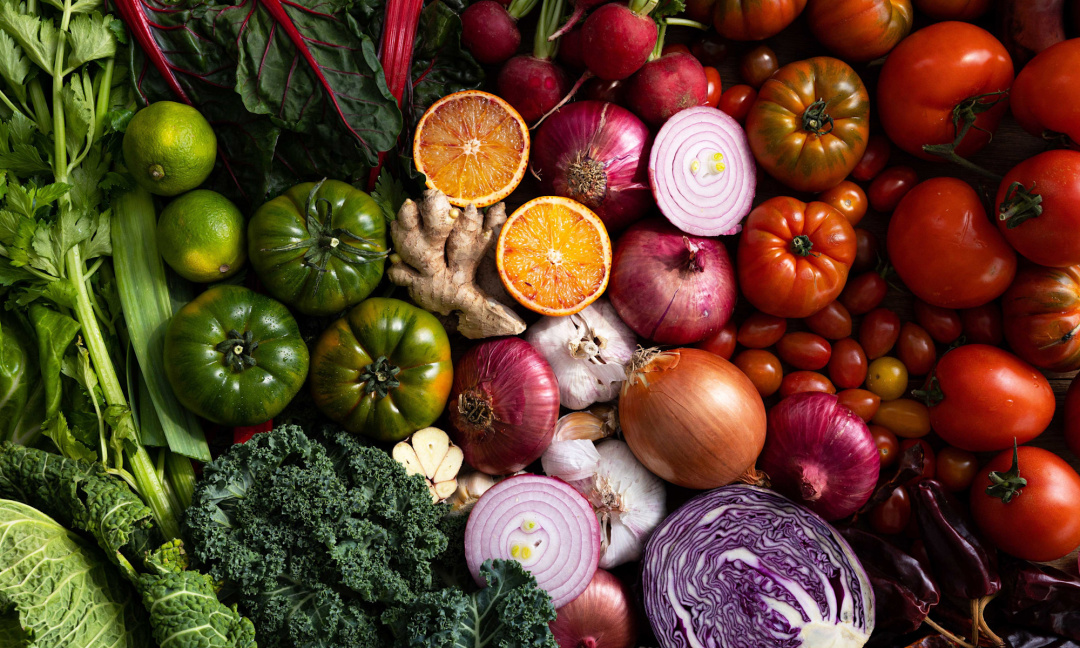
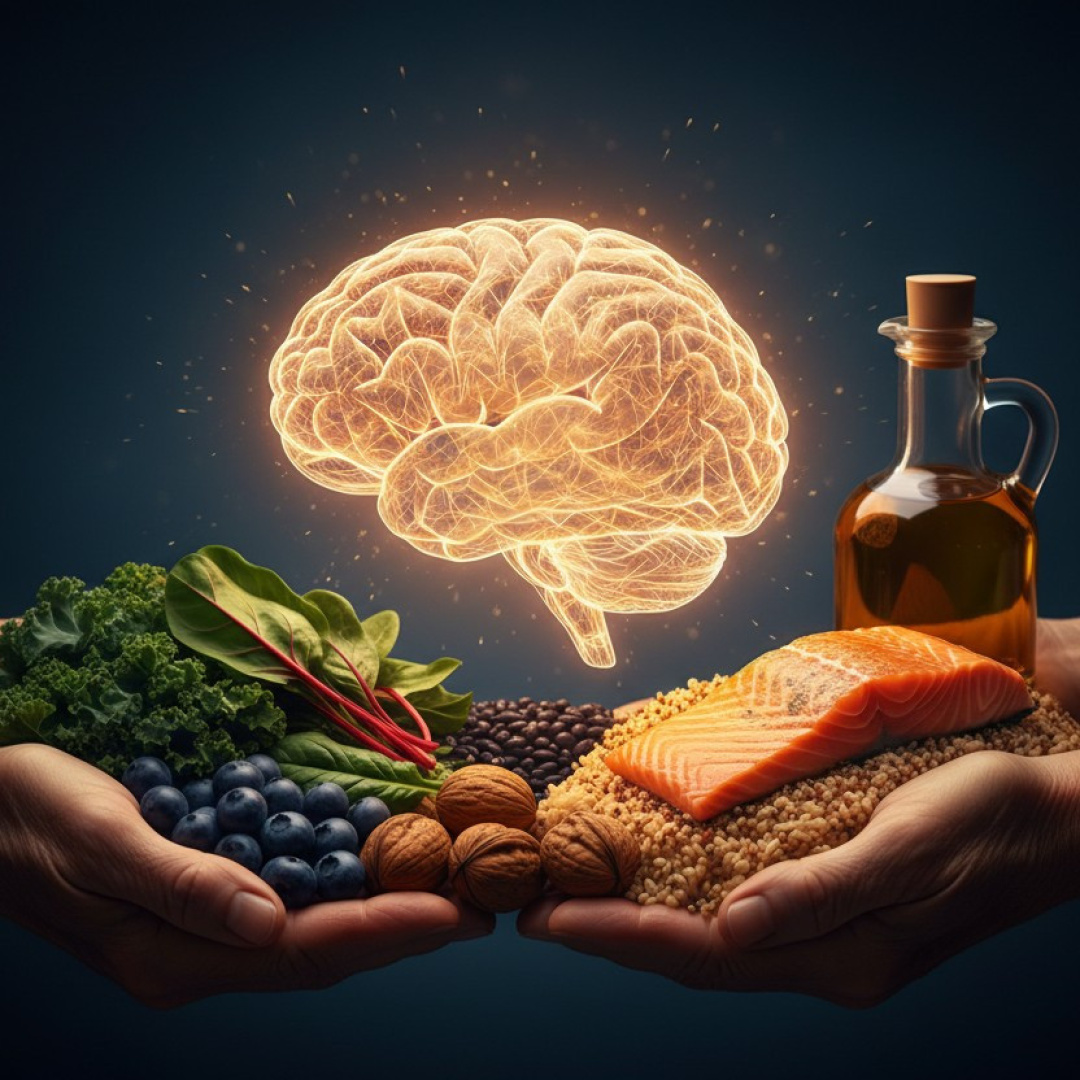
The MIND diet, which stands for Mediterranean-DASH Intervention for Neurodegenerative Delay, combines elements from both the Mediterranean and DASH eating patterns. It emphasizes the consumption of leafy greens, berries, nuts, beans, fish, poultry, and olive oil while limiting red meat, butter, sweets, and fried foods. This dietary approach was specifically developed to target brain health, drawing on decades of research in nutritional neuroscience.
Participants in the study averaged 60 years old at the outset and were free from dementia and stroke. Over a median follow-up of 12.3 years, they completed detailed food questionnaires and underwent repeated MRI scans to track structural changes in the brain.
The results were compelling. For every three-point increase in MIND diet score on a 15-point scale, researchers observed a 20% slowdown in gray matter loss. This difference was calculated to be equivalent to a delay in brain aging of 2.5 years. Additionally, higher MIND diet scores correlated with a slower expansion of the brain's fluid-filled ventricles, another indicator of brain tissue loss.
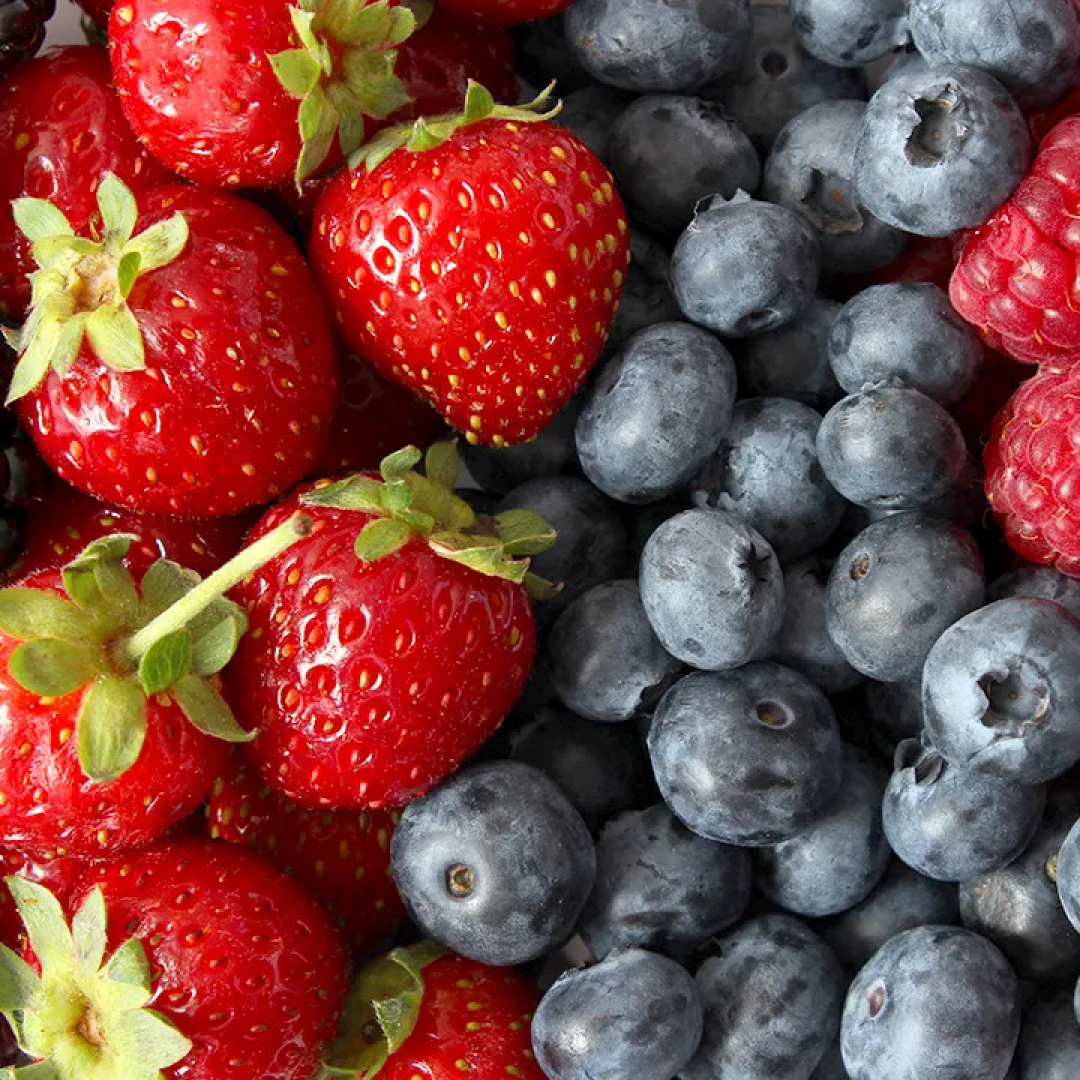
Interestingly, the protective effects of the diet appeared to be more pronounced in older participants, indicating that adopting the MIND diet later in life can still yield significant benefits. When researchers analyzed individual food groups, two stood out for their protective effects on brain health: berries and leafy greens. These findings align with previous clinical research suggesting that blueberries can enhance memory in older adults. In contrast, higher consumption of sweets and fried fast food was linked to accelerated brain aging, with increased sweet intake correlating with greater loss in the hippocampus, the brain's memory center.
Why Grains Matters Here
One unexpected finding was that whole grains were associated with less favorable brain changes. The senior author of the study noted that many products labeled as “whole grain” in the 1990s may not meet current standards, so this result does not definitively suggest that whole grains are detrimental to brain health.
This study represents a significant advancement over prior research, which often relied on single brain scans or shorter follow-up periods. The Framingham study's repeated imaging over more than a decade provides direct evidence that dietary patterns can influence the brain's physical structure over time.
Importantly, participants did not need to adhere perfectly to the MIND diet to see benefits. Even modest improvements in diet quality were associated with measurable differences in brain scans. This reinforces the idea that consistent healthy choices over time are crucial for protecting brain health.
Embracing Dietary Changes for Long-Term Cognitive Benefits
For a population facing rising dementia rates—Alzheimer’s Association projections estimate that 15 million Americans could have Alzheimer’s by 2050—these findings provide a practical and accessible strategy for cognitive health. Unlike pharmaceutical interventions, which can be elusive, dietary changes are available to anyone, regardless of age or genetic background.
Brain shrinkage is a normal aspect of aging, but this research confirms that its speed is not predetermined. Every meal presents an opportunity to nourish brain cells that must last a lifetime. The MIND diet offers a clear, evidence-based framework for making those choices. The most encouraging news is that participants needed only slight improvements in their diet to observe measurable differences in brain scans. The best time to start is at the next meal.