Legume and Soy Intake Linked to Reduced Hypertension Risk
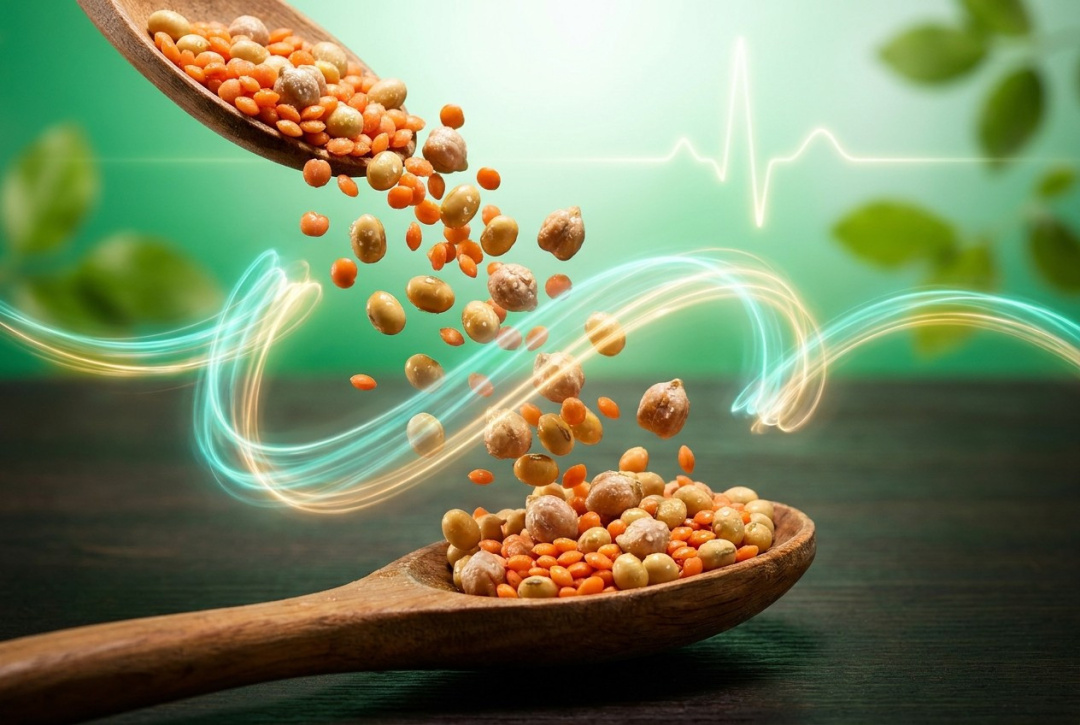
A meta-analysis published in May 2026 in BMJ Nutrition, Prevention & Health has revealed that individuals with the highest intake of legumes experience a 16% lower risk of hypertension compared to those with the lowest intake. This study not only aimed to determine whether legumes and soy provide protective benefits but also to estimate the necessary consumption levels for these associations to manifest. The findings contribute to a broader understanding of the relationship between diet and blood pressure.
The analyzed studies included follow-up periods ranging from four to twenty years and encompassed diverse populations from the United States, Europe, and Asia. The analysis demonstrated a linear relationship between legume consumption and hypertension risk, indicating that increased intake—up to approximately 170 grams per day—correlates with a reduced risk of developing high blood pressure.
Researchers assessed the likelihood of a causal relationship and rated it as "probable" according to the criteria set by the World Cancer Research Fund. The nutritional profile of legumes helps explain these findings; they are low in fat, contain no cholesterol, and are rich in dietary fiber, particularly soluble fiber, which is more abundant than in most fruits and vegetables. Additionally, legumes have a low glycemic index, potentially aiding in the reduction of Type 2 diabetes risk.
The report emphasized that an intake of around 100 grams of legumes daily is linked to significant cardiovascular benefits. However, it also highlighted a substantial gap between typical consumption levels and those associated with lower hypertension risk. For instance, average legume consumption in European and U.K. populations is only 8 to 15 grams per day, which is significantly lower than the optimal intake of 65 to 170 grams per day suggested by the study.
Why Cooked Matters Here
Cooked lentils, a common legume choice, provide approximately 18 grams of protein per cup, along with essential dietary fiber and minerals. This meta-analysis adds to the growing body of evidence that supports dietary approaches to managing blood pressure. Other studies have also explored the effects of different foods on blood pressure, with findings suggesting that beet juice and hibiscus tea may offer modest benefits as part of a comprehensive heart-healthy eating pattern. However, these should not replace prescribed medications or established lifestyle interventions.
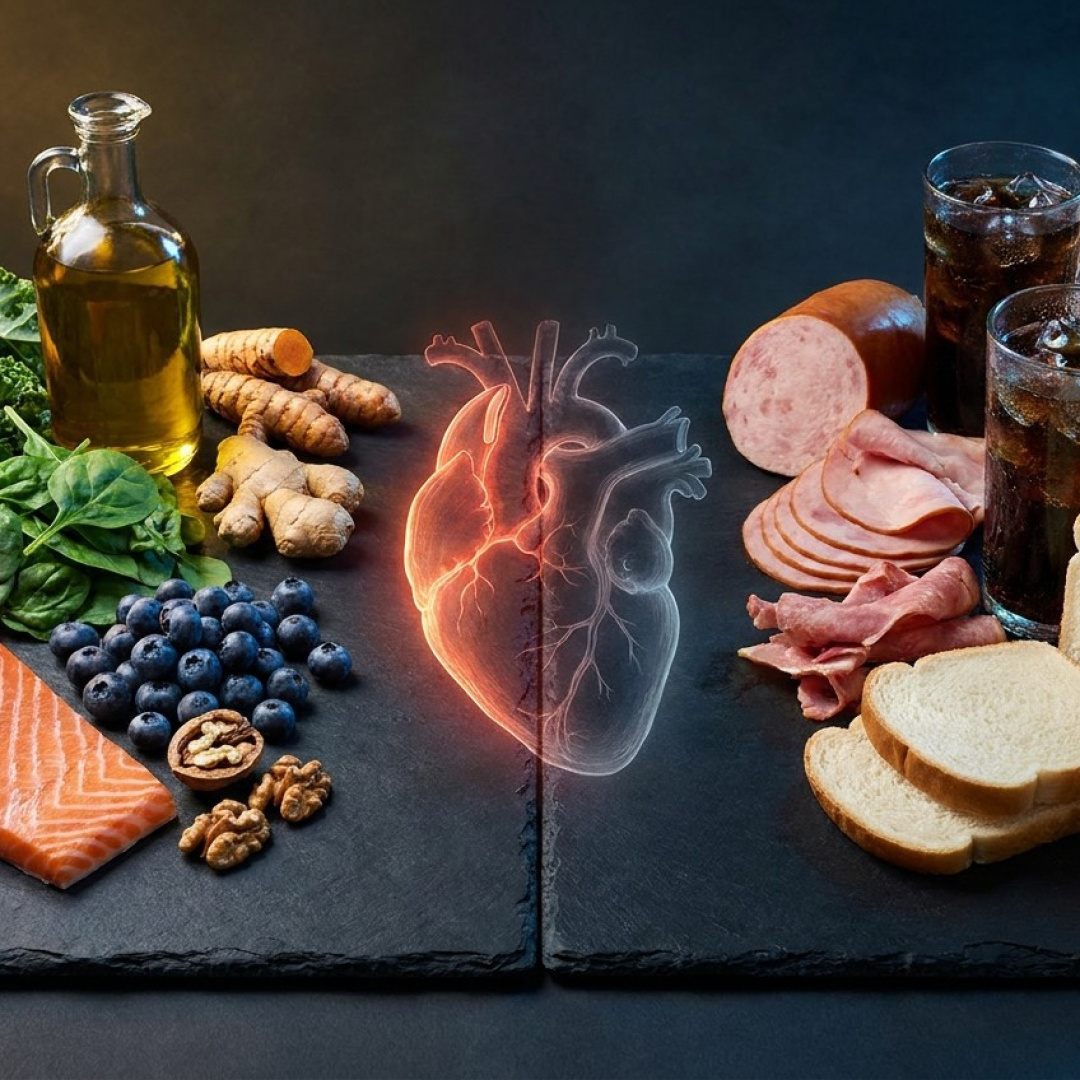
Dietary Choices and Their Impact on Hypertension Risk
The analysis aligns with previous research indicating that a higher intake of nuts is similarly associated with a lower risk of hypertension. Participants consuming the most nuts had a 16% lower risk compared to those who consumed none, with the most significant reduction occurring at about 30 grams per day. While further research is necessary to confirm causality, these findings underscore the importance of dietary choices in cardiovascular health management.
Physicians have long recognized that dietary and lifestyle changes can play a crucial role in addressing high blood pressure, complementing clinical care. Nutrients such as magnesium, found in beans and seeds, are essential for numerous enzymatic reactions, including those involved in detoxification, further emphasizing the importance of legumes in a balanced diet. Free educational resources on nutrition are available through platforms like BrightLearn.ai and BrightAnswers.ai, providing additional support for those looking to improve their dietary habits.