Navigating Thanksgiving with GLP-1 Weight-Loss Medications: Expert Tips
The holiday season often brings about changes in eating habits, especially for those taking GLP-1 weight-loss medications. These drugs, which are designed to help manage weight by slowing stomach emptying and reducing appetite, can significantly alter how individuals experience traditional meals like Thanksgiving dinner. With approximately 11% of U.S. adults currently using GLP-1 drugs, the impact of these medications will be felt at many dinner tables this year.
Experts have noted that while GLP-1 medications can help users feel full and reduce the quantity of food consumed, the abundance of food typically present at Thanksgiving can complicate this routine. Dr. Melanie Jay, a professor at the NYU Grossman School of Medicine, highlights that the temptation to overindulge during such feasts can lead to uncomfortable side effects, including nausea and stomach discomfort, especially for those on GLP-1 therapy.
The psychological aspect of eating during food-centric holidays also plays a role. Dr. Christopher McGowan, a gastroenterologist, points out that the emotional connection to food can lead to feelings of loss for those who may not be able to enjoy their favorite dishes as they once did. This can be exacerbated by family members' comments regarding weight changes, which can add stress to the holiday experience.
To help manage these challenges, experts suggest several strategies for those taking GLP-1 medications. Being intentional about food choices is crucial, but it’s also important to allow for some indulgence. Dr. Jay advises that Thanksgiving is a special occasion and encourages individuals to enjoy their favorite foods without strict limitations. Moderation is key; sampling small portions of traditionally rich dishes can help satisfy cravings without overwhelming the digestive system.
Navigating Food Choices with GLP-1 Medications
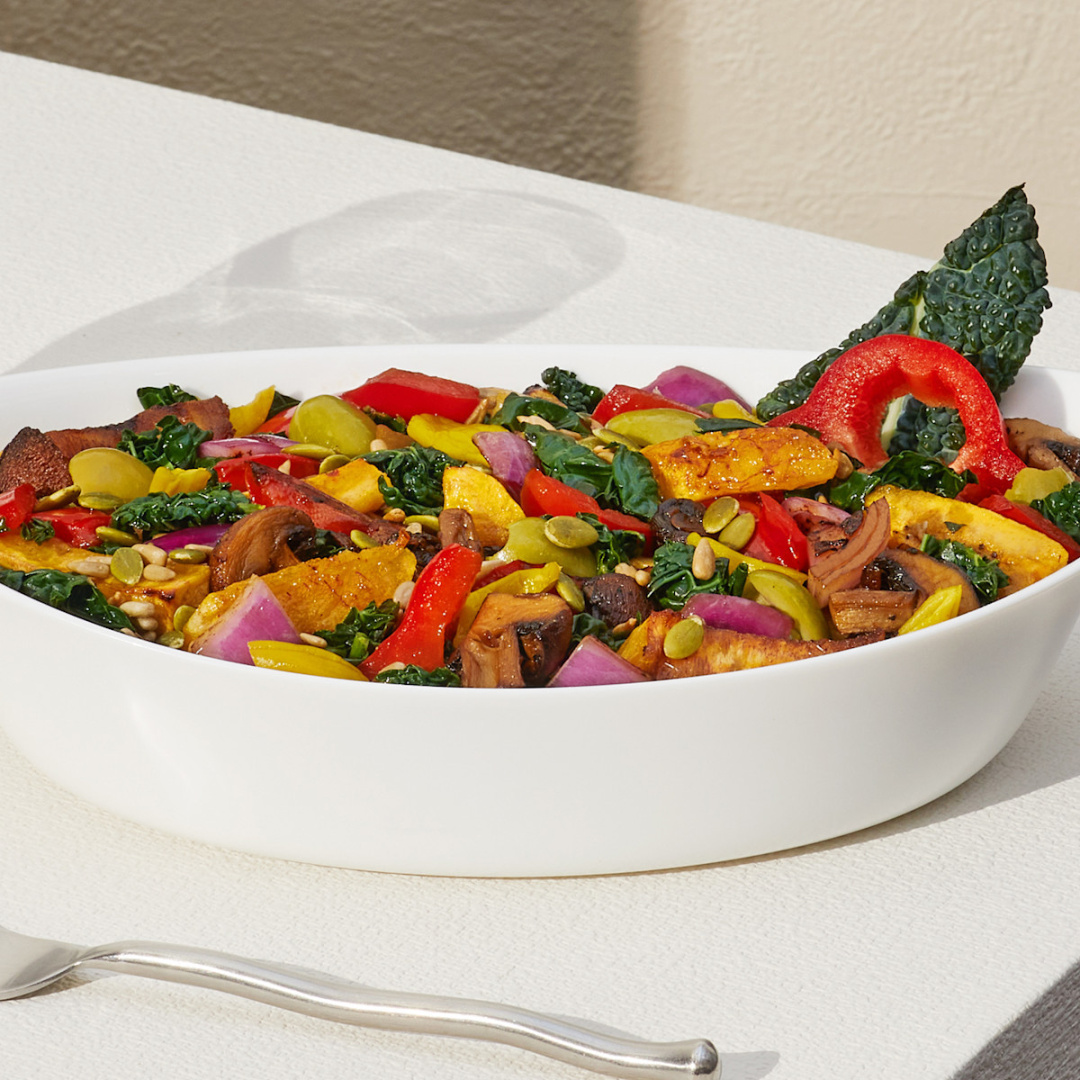
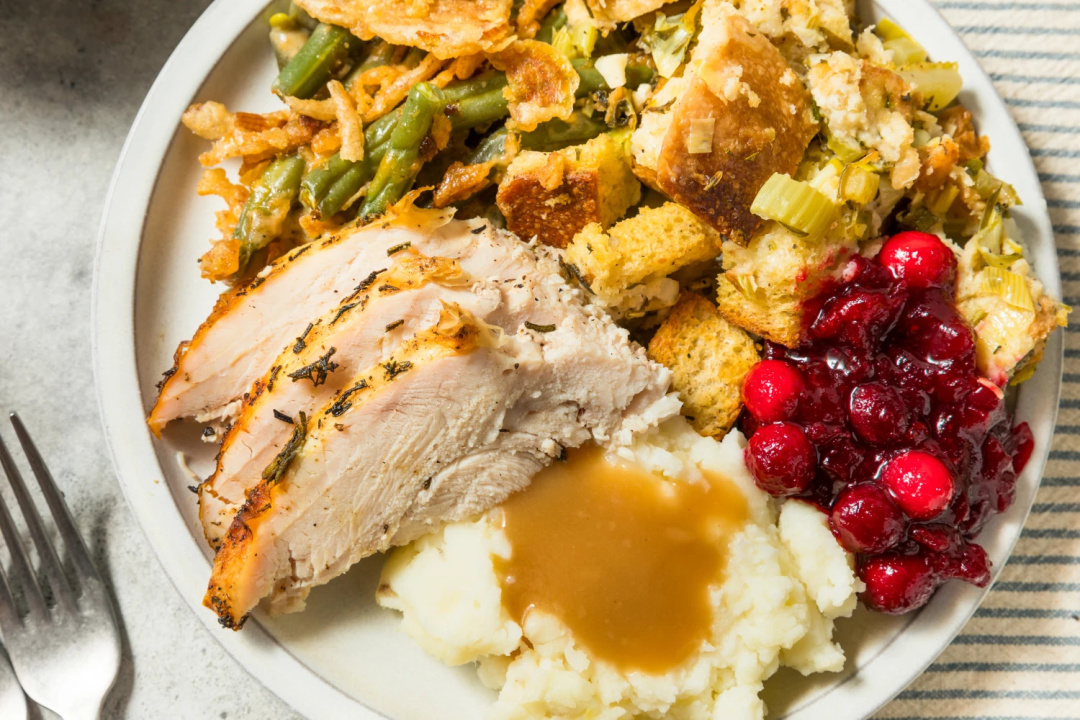
Heavy, greasy foods and those high in sugar should be approached with caution, as they can lead to discomfort. Foods like gravy, macaroni and cheese, and buttery mashed potatoes may exacerbate side effects associated with GLP-1 medications. Instead, opting for lean proteins such as turkey and non-starchy vegetables can be beneficial.
Many individuals on GLP-1 medications also report a reduced desire for alcohol, which can make the holiday experience feel different. If they choose to drink, they may find they can tolerate less than before, which could lead to unexpected reactions. Experts advise against skipping doses of medication in hopes of increasing appetite for the holiday meal, as this can lead to more significant side effects.
Tips for a Mindful Thanksgiving
As family gatherings often prompt discussions about weight and medication, individuals may want to prepare responses to questions about their health journey. Dr. Jay suggests that it’s perfectly acceptable to set boundaries around these conversations, allowing individuals to focus on enjoying the holiday without feeling pressured to discuss their weight management openly.
Ultimately, the key to enjoying Thanksgiving while managing GLP-1 medication is to listen to one’s body and practice mindfulness. Eating slowly and paying attention to satiety signals can help prevent overindulgence. By focusing on what feels good and making thoughtful choices, individuals can navigate the holiday season in a way that honors both their health and the joy of gathering with loved ones.