Seven Exotic Foods Richer in Protein Than Eggs
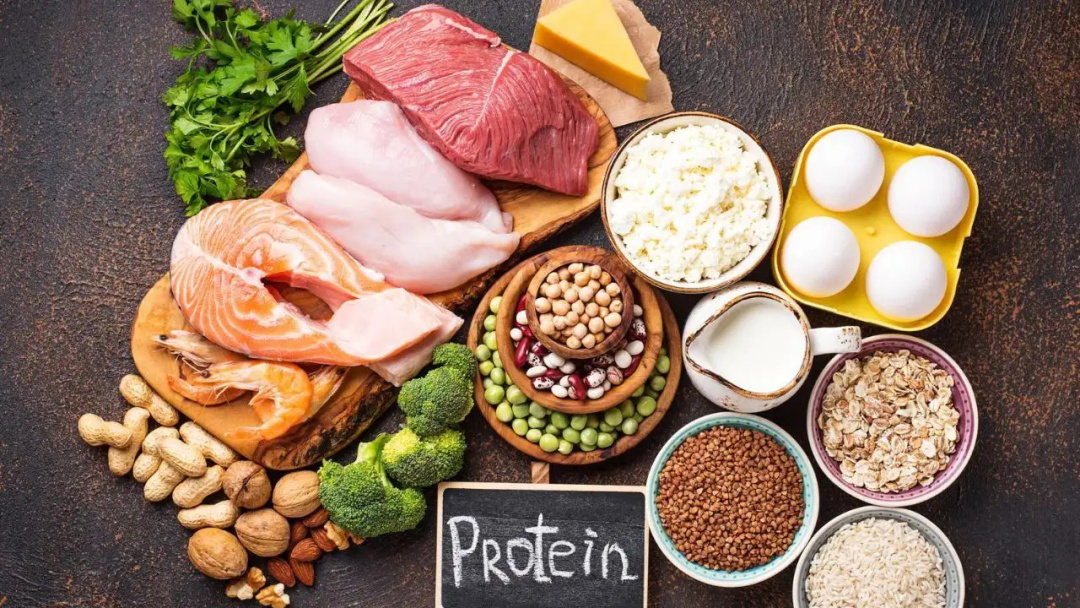
Eggs are frequently regarded as a nutritional powerhouse, delivering approximately 13 grams of protein per 100 grams. However, several traditional and exotic foods provide even higher protein content, making them excellent additions to a balanced diet. Incorporating these foods into your meals can help meet daily protein needs while diversifying your nutrition.
Spirulina, a blue-green microalgae harvested from alkaline lakes, stands out as one of the most protein-dense foods available. A comprehensive review published in the journal Foods reveals that dried spirulina contains between 55 to 70 percent protein by weight, making it four to five times more concentrated than whole eggs. Moreover, research published in the European Journal of Nutrition indicates that spirulina has an impressive nitrogen digestibility of 86 percent, making it a highly absorbable protein source. Just a tablespoon of spirulina can add around 4 grams of complete protein to smoothies or dressings.
Hemp hearts, the shelled seeds of the hemp plant, offer a mild, nutty flavor along with a significant nutritional boost. According to a nutritional review in the journal Plants, hulled hemp seeds provide 31.6 grams of protein per 100 grams, primarily from a highly digestible protein called edestin. Research published in the Journal of Agricultural and Food Chemistry shows that removing the fibrous outer shell enhances protein absorption. Hemp hearts also contain all nine essential amino acids and healthy omega-3 fats, making them a versatile addition to oatmeal, yogurt, or salads.
Moringa leaf powder, derived from the drumstick tree native to the Himalayas, is another protein-rich option. Chemical analyses published in Antioxidants and Foods report that moringa leaf powder contains between 25 and 29.4 percent crude protein, rivaling meat and eggs in protein content. Beyond protein, moringa is rich in calcium, iron, and vitamin A. This concentrated green powder can easily be stirred into soups, juices, or lentil dishes for an added nutritional boost.
Tempeh, a fermented soybean product originating from Indonesia, provides approximately 20.3 grams of protein per 100 grams. A review in the journal Nutrients highlights that the fermentation process used to create tempeh breaks down phytic acid, which can inhibit nutrient absorption, making it easier to digest than unfermented soy products. Tempeh can be sliced, marinated, and pan-seared for a delicious addition to various dishes.
Exploring the Protein Power of Lupini Beans
Lupini beans, a popular snack in Mediterranean and Latin American cuisines, are brined to remove their natural bitterness. A food science evaluation in Foods indicates that cooked or brined lupini beans contain 15.6 grams of protein per 100 grams, along with beneficial fiber and minimal starch. A systematic review in Nutrients linked regular lupin consumption to improved satiety and healthier blood pressure and cholesterol levels. They can be enjoyed straight from the jar as a nutritious snack.
Finally, black soybeans, commonly used in Chinese and Japanese cuisine, offer about 15.2 grams of protein per 100 grams. A comprehensive review in Comprehensive Reviews in Food Science and Food Safety notes that black soybeans match yellow soybeans in amino acid density while also providing concentrated anthocyanins. They can be incorporated into broths, stir-fries, or roasted for a crunchy snack.
Nutritional Benefits of These Foods
Teff, a tiny ancient grain from Ethiopia, serves as the base for traditional injera flatbread. Data from the USDA Agricultural Research Service and a review in Foods show that raw teff grain contains between 13.3 and over 20 percent protein, surpassing whole eggs and outperforming many grains like wheat and rice. Naturally gluten-free, teff is also rich in iron, magnesium, and slow-digesting starch. It can be cooked into a warm porridge or used as flour in baking recipes.
Incorporating these exotic foods into your diet can enhance your protein intake while offering a variety of flavors and nutrients. Whether you choose spirulina, hemp hearts, moringa, tempeh, lupini beans, black soybeans, or teff, each option provides unique benefits that can contribute to a balanced and nutritious diet.