Exploring the Unique Benefits of Mamra Almonds Compared to Regular Almonds
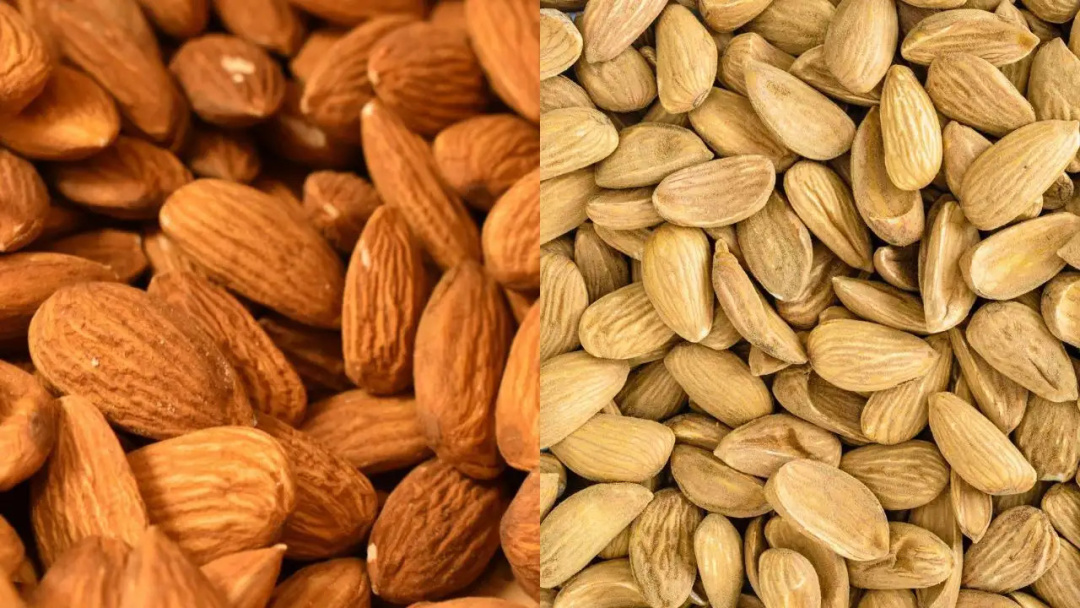
Starting the day with soaked almonds is a cherished ritual in many Indian households, where almonds have long been a staple in the kitchen. Among the various types available, Mamra almonds stand out as a premium variety, often priced significantly higher than regular almonds. This is due to their unique qualities and the traditional methods used in their cultivation, making them a sought-after choice across South Asia and the Middle East.
Mamra almonds are indigenous to the mountainous regions of Iran, Afghanistan, and the Kashmir Valley in India. Unlike commercially produced almonds, which are often grown using heavy irrigation and chemical inputs, Mamra almonds are cultivated through traditional, rain-fed farming techniques in mineral-rich soils. This slower growth process results in a smaller harvest, with Mamra almonds accounting for less than five percent of the global almond supply, which contributes to their higher price.
Visually, Mamra almonds differ significantly from regular almonds. While regular almonds are typically plump, symmetrical, and smooth-skinned, Mamra almonds have a rustic appearance. They are smaller, flatter, and feature deep wrinkles and ridges. When tasted, Mamra almonds offer a crunchier texture and a rich, buttery flavor that contrasts with the mild sweetness of standard almonds.
Nutritionally, Mamra almonds are notable for their higher oil content, containing up to fifty percent essential oils compared to the thirty to thirty-five percent found in regular almonds. This higher oil content is preserved because Mamra almonds are not subjected to industrial blanching or pasteurization. Research indicates that traditional varieties like Mamra carry higher concentrations of beneficial compounds, including oleic acid and vitamin E, which act as antioxidants and support overall health.
Heart Health and Cognitive Benefits of Mamra Almonds
The heart health benefits of Mamra almonds are particularly significant. Their monounsaturated fats can help lower harmful LDL cholesterol while maintaining protective HDL cholesterol levels. A clinical trial published in the Journal of the American Heart Association found that daily almond consumption can improve lipid profiles in individuals with elevated cholesterol levels. The concentrated dose of heart-healthy fats in Mamra almonds makes them an excellent choice for cardiovascular support.
In addition to heart health, Mamra almonds are also beneficial for digestion and cognitive function. Soaking them overnight and peeling their skins is a common practice that enhances digestibility by softening their dense fiber and neutralizing phytic acid, which can inhibit mineral absorption. The higher antioxidant content of unprocessed Mamra almonds makes them an ideal snack for students and older adults, supporting memory and learning.
Choosing the Right Almonds for Your Needs
Both Mamra and regular almonds are nutritious additions to a balanced diet. While standard almonds are suitable for baking or making almond milk due to their affordability and mild flavor, Mamra almonds are recommended for those seeking specific health benefits, energy, and skin health. Their superior oil content and minimal processing offer a level of nutrition that mass-produced almonds cannot match.
When deciding between Mamra and regular almonds, consider your dietary goals and preferences. If you enjoy the rich flavor and health benefits of Mamra almonds, incorporating a handful into your morning routine may be a worthwhile investment. However, for general use in recipes or snacks, regular almonds remain a practical and economical choice. Regardless of the type, both varieties can contribute positively to your overall nutrition and wellness.