Comparing Oat Milk and Almond Milk: Nutritional Insights
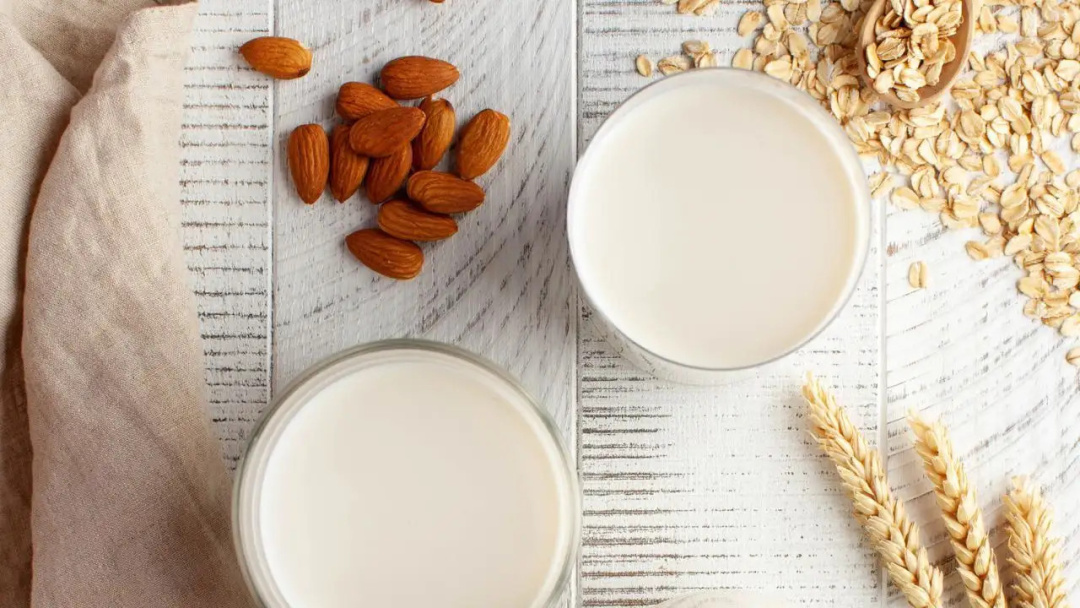
In today's grocery stores and coffee shops, oat milk and almond milk are among the leading dairy alternatives, each catering to different dietary preferences and nutritional needs. Both options are lactose-free and vegan, making them appealing substitutes for those avoiding traditional dairy. However, their nutritional profiles differ significantly, impacting their effects on health and metabolism.
Unsweetened almond milk is often described as flavored water, with a very light nutritional footprint. A standard cup contains approximately 30 to 40 calories, 2.5 grams of healthy unsaturated fat, and just 1 to 2 grams of carbohydrates. The production process strains out most of the almond's natural protein and fiber, resulting in a beverage that is low in calories but also low in substantial nutrients. In contrast, oat milk offers a heartier option, mimicking the rich mouthfeel of cow's milk. A cup of plain, unsweetened oat milk contains around 100 to 120 calories, 14 to 16 grams of carbohydrates, 2 grams of dietary fiber, and roughly 3 to 4 grams of protein. While both alternatives fall short of the 8 grams of protein found in dairy milk, oat milk provides more energy and substance per serving.
When it comes to heart health, oat milk has a distinct advantage due to its soluble fiber content, particularly beta-glucan. This fiber forms a gel-like substance in the gut that binds to cholesterol-rich bile acids, aiding in their removal from the body. A study published in the Annals of Nutrition and Metabolism found that men with moderately high cholesterol who consumed oat milk daily for five weeks experienced significant reductions in both total cholesterol and LDL (bad) cholesterol compared to those consuming a control beverage. While almond milk is naturally free of cholesterol and saturated fat, it does not contain the cholesterol-lowering fiber found in oats.
For those managing blood sugar levels or watching their calorie intake, almond milk may be the better choice. During the production of oat milk, enzymes are often used to break down oat starches into simple sugars, resulting in a naturally sweet flavor, even in unsweetened varieties. A 2023 study published in the journal Foods indicated that this processing leads to a higher glycemic response compared to dairy milk or low-carb nut milks. Therefore, unsweetened almond milk, with its minimal carbohydrate content, is a safer option for individuals concerned about blood sugar spikes or those following a low-carb diet.
Nutritional Fortification and Ingredient Considerations
Both almond and oat milks are typically fortified with calcium and vitamin D, as neither naturally provides these nutrients in significant amounts. Unfortified almond milk retains a good amount of vitamin E, an antioxidant beneficial for skin and immune health, while oat milk tends to offer more B vitamins. Regardless of which alternative you choose, it's essential to read the ingredient list, as many commercial products may contain added sugars, vegetable oils for creaminess, and thickening agents like carrageenan. Opting for unsweetened versions fortified with calcium, vitamin D, and vitamin B12 can help maximize nutritional benefits while avoiding unnecessary fillers.
Culinary Uses and Personal Preferences in Milk Alternatives
In culinary applications, oat milk and almond milk serve different purposes. Almond milk has a thin, watery consistency and a mild, nutty flavor, making it suitable for smoothies, cold cereals, and pancake batters. However, it may curdle when added to hot, acidic beverages like coffee. Oat milk, with its higher carbohydrate and starch content, creates a velvety texture that blends well into hot espresso, making it a favorite in coffee shops. It also enhances the richness of creamy soups, mashed potatoes, and baked goods, where almond milk might leave dishes tasting too thin.
Ultimately, the choice between oat milk and almond milk depends on individual dietary needs and preferences. Unsweetened almond milk is ideal for those seeking a low-calorie option for cereals or smoothies, while unsweetened oat milk is better suited for those wanting a creamy texture in coffee or looking to lower cholesterol through dietary fiber. Neither option can replace the protein found in dairy or soy milk, so it's important to ensure that the rest of your meal includes sufficient protein.