Faba Bean and Plant Growth-Promoting Bacteria Enhance Soil Remediation of Heavy Metals
Phytoremediation has emerged as an eco-friendly strategy for addressing heavy metal contamination in soils, particularly those affected by industrial activities and intensive agriculture. A recent study published in PLoS One investigates the symbiotic relationship between faba bean (Vicia faba L. var. minor Saber 02) and a consortium of plant growth-promoting bacteria (PGPB) in remediating soils contaminated with lead (Pb) and cadmium (Cd). The study aimed to assess how this association can improve soil fertility and enhance the uptake of heavy metals by plants.
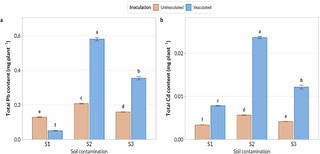
The researchers inoculated faba bean plants with three efficient and heavy metal-resistant bacterial strains: Rhizobium sp. CCNWSX0481, R. leguminosarum bv. viciae, and Pseudomonas sp. They cultivated the plants in soils with varying levels of contamination: uncontaminated, moderately contaminated (2 mg kg-1 Cd and 100 mg kg-1 Pb), and highly contaminated (4 mg kg-1 Cd and 200 mg kg-1 Pb). Results indicated that bacterial inoculation significantly enhanced plant growth, particularly in moderately contaminated soils, where increases in shoot and nodule dry weights were observed. Notably, the inoculated plants in moderately contaminated soils accumulated 66% more lead and 441% more cadmium in their shoots compared to uninoculated plants.
The study also highlighted the biochemical responses of the plants to heavy metal stress. Inoculated plants showed a substantial increase in non-protein thiol concentrations, which are crucial for mitigating oxidative stress caused by heavy metals. Additionally, the bacterial consortium improved soil health by enhancing nitrogen and phosphorus availability, as well as increasing the activities of soil enzymes such as urease and β-glucosidase.
The findings underscore the effectiveness of the Vicia faba-PGPB symbiosis in reclaiming moderately contaminated soils, suggesting its potential application as a biofertilizer to improve soil quality in areas affected by heavy metal pollution. This research contributes to the understanding of sustainable agricultural practices aimed at soil remediation and fertility enhancement in contaminated environments.