Essential Steps to Build a Survival Pantry for Emergencies
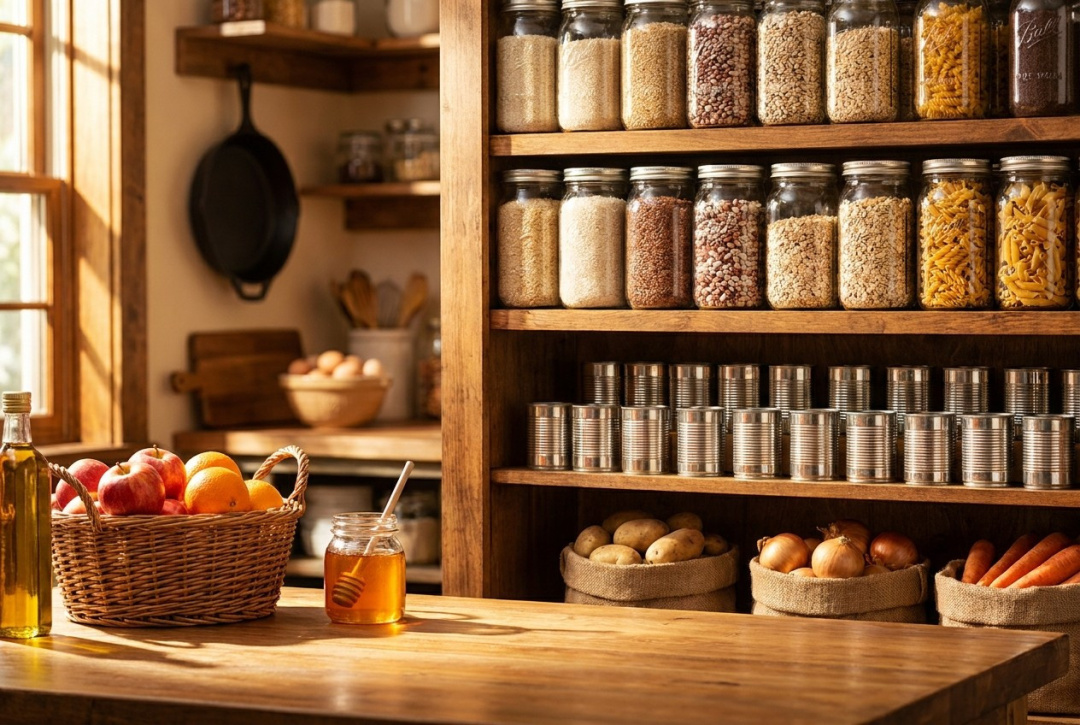
The Prepper Journal emphasizes the necessity of establishing a survival pantry as a fundamental task for anyone preparing for emergencies. It highlights that most grocery stores typically stock only about three days' worth of food due to just-in-time supply chains, a situation that became particularly evident during the early days of the coronavirus pandemic. Consequently, store shelves can be quickly emptied during emergencies, and restocking may not happen immediately, leading to panic buying among consumers.
A survival pantry is defined as an emergency food supply that goes beyond the usual groceries a household maintains. The article frames the process of building a food stockpile as a practical measure to ensure that families can meet their essential food needs in case of an emergency. To assist beginners, the article provides five criteria for selecting items for a survival pantry, aiming to prevent the common mistake of purchasing items that may never be used. For example, the author recounts an experience of buying canned mushrooms on sale, which ended up being discarded years later because they were not part of the family's regular meals. This underscores the importance of incorporating stored foods into everyday cooking to avoid waste and ensure that supplies are consumed before they expire.
The article also notes that while comfort foods can be included in a survival pantry, they should not dominate the inventory. It stresses that family preferences are crucial since the stored food must be something that will actually be eaten. This sentiment is echoed in broader preparedness literature, which suggests that familiar foods can enhance morale and provide a sense of security during stressful times.
Essential Staples for a 30-Day Family Pantry
To help families effectively stock their pantries, the article recommends a specific list of staples that would sustain a family of four for approximately 30 days at a cost of around $500, although prices may vary by location. For those on a tight budget, it advises gradually building food storage by focusing on one area at a time. Canned meat is highlighted as a significant expense, but alternatives such as raising chickens or rabbits for protein are suggested. Additionally, the article mentions that certain items, like honey and salt, can last indefinitely if stored properly. It also notes that larger families might benefit from #10 cans due to their larger serving sizes.
Avoiding Common Pitfalls in Survival Pantry Preparation
The article identifies common mistakes made when stocking a survival pantry. It advises that food stored for longer than six months should be kept at stable temperatures and humidity levels, ideally in a cool, dark, and dry place such as a basement or dedicated pantry. It also recommends storing food in multiple locations to mitigate risks if one area becomes compromised. The importance of regular rotation of stored food is emphasized, with the oldest items being used first. This practice ensures freshness and quality, as well as the likelihood that the food will be part of the family's regular diet.
Moreover, the article warns against the tendency of novices to stockpile primarily carbohydrates like wheat and rice, neglecting other essential food groups. It encourages a balanced approach that includes proteins, dairy, fruits, and vegetables, with powdered milk and canned options serving as viable substitutes. The article concludes by reiterating that a survival pantry can be built gradually using familiar foods, which can also help lower grocery costs as items bought in bulk are rotated into normal meals, reducing waste. The Prepper Journal ultimately argues that establishing a survival pantry should be one of the first priorities for any household looking to prepare for emergencies.