Peanut Consumption Linked to Reduced Risk of Type 2 Diabetes
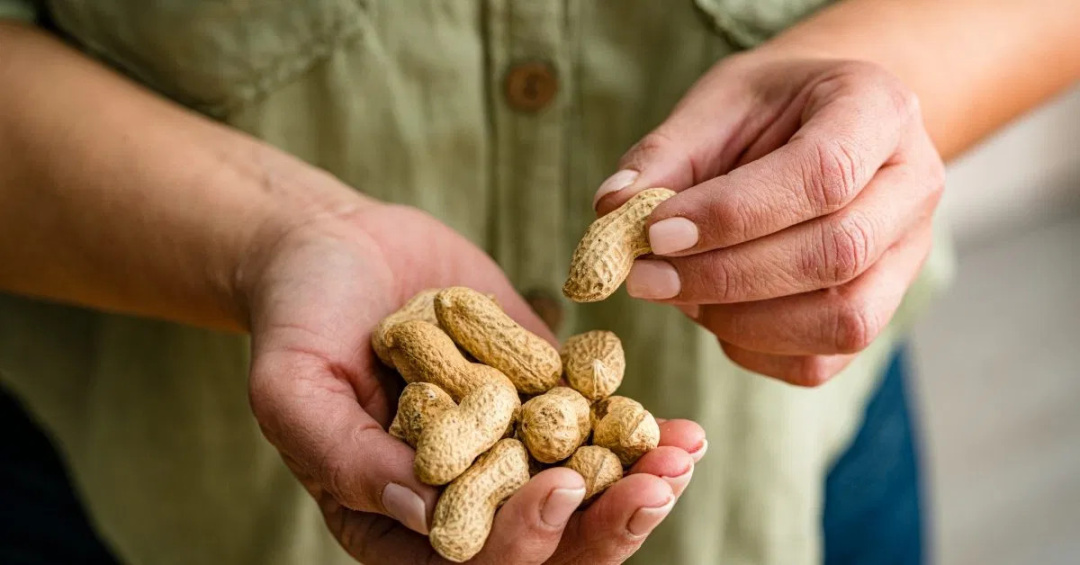
A recent study published in the American Journal of Clinical Nutrition suggests that eating peanuts may be linked to a lower risk of developing type 2 diabetes. This research explored the effects of peanut consumption on blood lipids, specifically very long-chain saturated fatty acids (VLCSFAs), which have been previously associated with reduced risks of type 2 diabetes and heart disease.
The study, funded by the Peanut Institute Foundation, found that changes in blood lipids resulting from peanut consumption were associated with an 11% lower risk of developing type 2 diabetes in a larger population study. The researchers combined data from the ARISTOTLE randomized trial, which included 63 healthy participants aged 18 to 33, and the EPIC-Potsdam cohort, which provided information on 774 cases of type 2 diabetes and 547 cases of cardiovascular disease.
In the ARISTOTLE trial, participants consumed either 25 grams of roasted peanuts with skins or 32 grams of peanut butter daily, while maintaining their regular diet. Certain foods, such as grapes, wine, berries, and dark chocolate, were excluded due to their high resveratrol content, which is also found in peanuts. The EPIC-Potsdam data helped determine whether the lipid changes observed in the ARISTOTLE trial correlated with reduced diabetes risk.
While the findings indicate an association between peanut consumption and a lower risk of type 2 diabetes, the researchers caution that this does not prove that peanuts directly prevent the condition. Sirisha Vadali, MD, a cardiologist not involved in the study, noted that the researchers tracked measurable changes in blood lipids linked to peanut consumption, which could signify an 11% lower risk of diabetes. However, she emphasized that the study's design does not establish causation.
Vadali highlighted the importance of body mass index (BMI) in interpreting the study's results, stating that once BMI was accounted for, much of the connection between the peanut lipid signature and lower diabetes risk diminished. This suggests that body weight and composition may play a significant role in the observed benefits.
Nutritional Benefits of Peanuts Explored
Peanuts are a source of protein, fiber, and healthy fats, which can contribute to satiety and help reduce cravings for less nutritious snacks. The study's authors call their findings hypothesis-generating, indicating that while there is a potential link worth exploring further, peanuts should not be viewed as a standalone solution for diabetes prevention.
Participants in the study consumed realistic portions of peanuts, with Vadali noting that 25 grams is roughly a small handful, and 32 grams is about two tablespoons of peanut butter. She mentioned that these amounts are practical and affordable, making them easy to incorporate into daily diets. However, she cautioned that peanuts are calorie-dense and should replace less nutritious snacks rather than simply being added to the diet.
Tiffany Marie Hendricks, MD, a metabolic health educator, echoed the sentiment that peanuts should be part of a broader dietary pattern that emphasizes fiber, protein, and healthy fats. She suggested practical ways to incorporate peanuts into meals, such as swapping chips for a handful of peanuts or using natural peanut butter with fruits or vegetables.
Understanding the Role of Peanuts in Metabolic Health
The researchers concluded that the link between peanut consumption and reduced diabetes risk may be partly influenced by BMI. They found that body weight could explain a significant portion of the association, around 89 percent in their analysis. This underscores the need for further research to clarify the relationship between dietary fats, body composition, and metabolic health.
Ultimately, while the study offers promising insights into the potential benefits of peanut consumption, it is essential to approach these findings with caution. As Vadali and Hendricks advise, individuals should consider their overall dietary patterns and consult with healthcare professionals regarding their personal risk factors for diabetes. Incorporating peanuts as part of a balanced diet, rather than viewing them as a singular solution, is key to promoting metabolic health and well-being.