Innovative Bajra Flour Technology Expands Nutrition Access for Rural Children
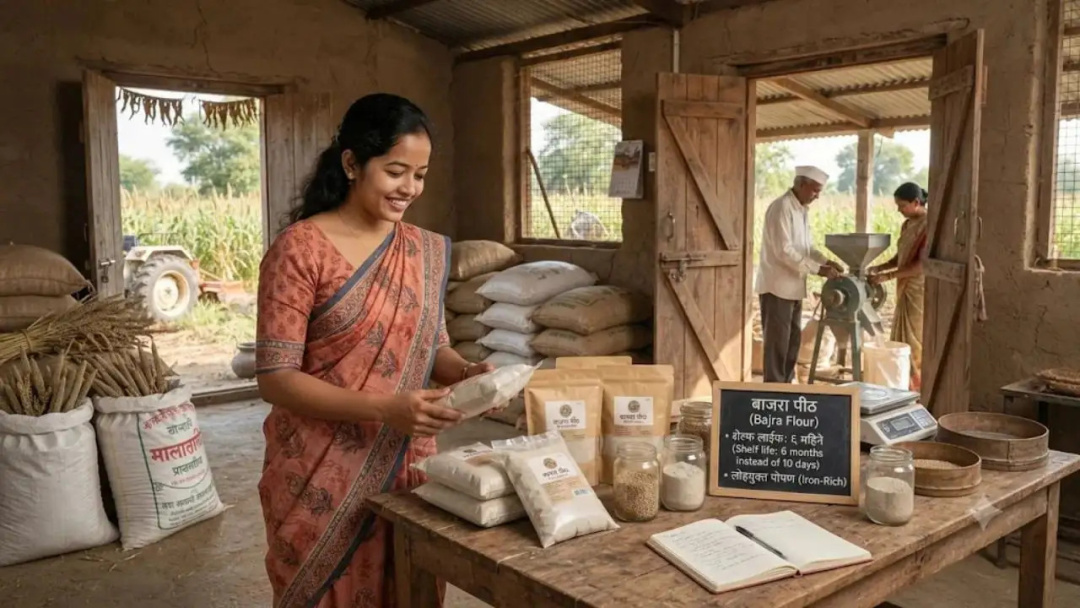
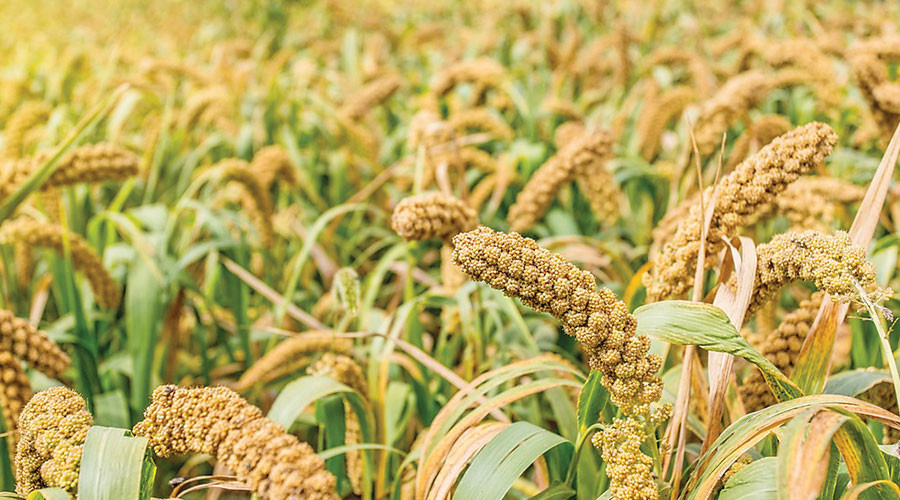
Vidhya Parshuramkar, a young food technologist from Maharashtra, has made significant strides in combating iron deficiency through her innovative work with pearl millet, commonly known as bajra. Her personal battle with iron deficiency inspired her to rethink the nutritional potential of this traditional grain, which has been a staple in Indian diets but is often overlooked in modern eating habits. Vidhya's journey began during her master's studies in food technology at IIT Kharagpur, where she explored the nutritional benefits of millets, particularly their high iron content. However, she quickly realized that simply identifying nutritious foods was not enough; the challenge lay in making them accessible and suitable for widespread distribution.
Bajra flour, once ground, has a notoriously short shelf life of only ten to fifteen days due to the action of lipase, an enzyme that causes rancidity. To address this issue, Vidhya developed a food-processing innovation known as Hydro-NIR technology. This method effectively deactivates the lipase enzyme, extending the flour's shelf life to six months without the use of preservatives or loss of nutritional value. This breakthrough not only facilitates better storage and transportation but also enables the creation of convenient millet-based food products that can be distributed to children in schools, particularly in rural areas where access to diverse and nutritious food options is limited.
Vidhya's initiative, Nutri Dabba, aims to improve children's access to millet-based nutrition by providing them with healthy snacks such as cookies, laddoos, and bars. The program has reportedly expanded to reach over 400,000 schoolchildren, helping to address iron deficiency and promote healthier eating habits from a young age. Additionally, Nutri Dabba collaborates with rural women through self-help groups, empowering them to participate in the production and distribution of these nutritious products. This approach not only enhances food access for children but also creates economic opportunities within the communities it serves.
Empowering Communities Through Innovative Nutrition Solutions
By connecting her work to local farmers, Vidhya has helped build demand for traditional crops like pearl millet, thus supporting agricultural livelihoods. Her efforts have not gone unnoticed; she was recently recognized on the TIME100 Next India list, which celebrates emerging leaders making a positive impact in their communities. Vidhya's journey exemplifies how personal experiences can fuel innovative solutions to pressing nutritional challenges.
Her recognition is a testament to her dedication to rural development, nutrition, and women's empowerment. Vidhya's story is a powerful reminder that meaningful change often begins with a deep understanding of existing resources and the challenges communities face in accessing them. By enhancing the shelf life of bajra flour and making millet-based nutrition more accessible, she is not only improving the health of children but also fostering a sustainable model that integrates nutrition, technology, and community livelihoods. Vidhya Parshuramkar's work stands as an inspiring example of how innovation rooted in local culture can lead to significant advancements in public health and nutrition.