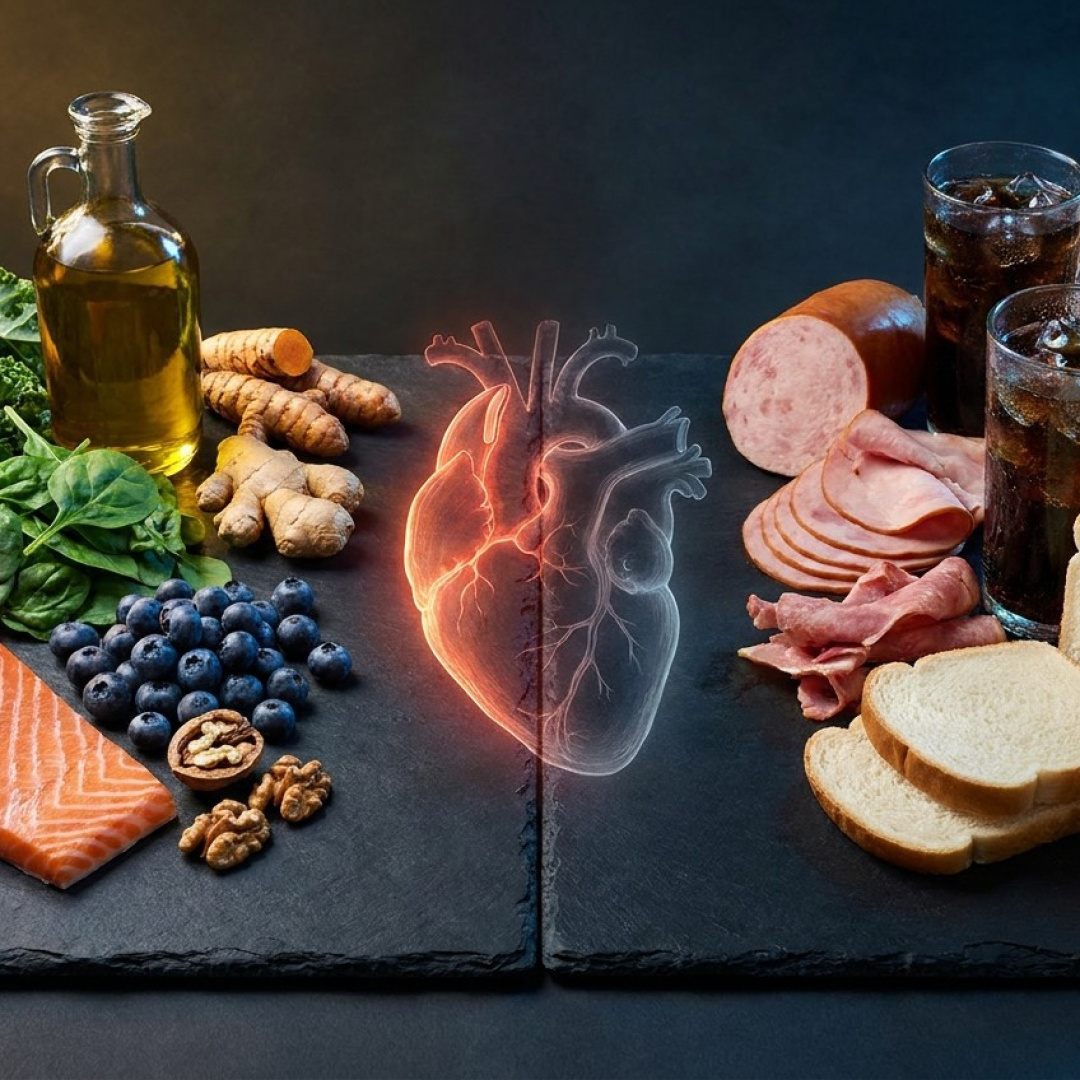
Study Links Ultra-Processed Food Intake to Increased Risk of Blood Cancer

Ultra-processed foods, such as packaged snacks, sugary drinks, and ready-made meals, often find their way into our diets despite our best intentions to eat healthily. While the negative health impacts of these foods are well-documented, a new study published in The American Journal of Clinical Nutrition sheds light on a less-discussed consequence: blood cancer.
In this study, researchers analyzed data from 204,494 adults enrolled in the UK Biobank, utilizing dietary questionnaires to assess the percentage of daily calories derived from ultra-processed foods. Participants were followed for a median of 10.5 years, during which time 848 individuals developed myeloid neoplasms, a category of cancers affecting blood-forming cells in the bone marrow.
The findings revealed a significant association between ultra-processed food consumption and the risk of developing these cancers. Specifically, for every one-standard-deviation increase in the percentage of calories from ultra-processed foods, participants faced a 12% higher relative hazard of developing a myeloid neoplasm. The association was even more pronounced for myeloproliferative neoplasms (MPNs), where the relative hazard increased by 15% per standard-deviation increase.
It's important to note that these percentages reflect differences in risk among participants with varying levels of ultra-processed food consumption, rather than a direct cause-and-effect relationship. The researchers also considered factors such as age, smoking habits, physical activity, body measurements, and overall diet to isolate the impact of ultra-processed foods from other lifestyle factors.
Interestingly Takes Center Stage
Interestingly, the study also examined clonal hematopoiesis of indeterminate potential (CHIP), an age-related condition that can heighten the risk of certain blood cancers. The association between ultra-processed food intake and blood cancer persisted even among participants without detectable CHIP at the study's outset.
Additionally, researchers identified connections between ultra-processed food consumption and various markers related to inflammation, immune function, and fat metabolism, which may provide insights into the biological mechanisms at play. However, the study does not definitively explain why these associations exist.
Evaluating Dietary Choices for Better Health Outcomes
Before making drastic dietary changes, it's crucial to remember that this research reflects long-term eating patterns rather than the occasional consumption of ultra-processed foods. Not all ultra-processed items are created equal; for instance, a sugary soda is nutritionally different from a fiber-rich whole-grain cereal.
If you're considering reducing your intake of ultra-processed foods, small adjustments can make a significant difference over time. This study emphasizes the importance of evaluating our everyday food choices, as these decisions can have far-reaching effects on our health. While convenience foods are not inherently harmful, a conscious effort to limit ultra-processed options may be beneficial for overall well-being.