WHO Releases Updated Guidelines to Reduce Dementia Risk by Up to 45%
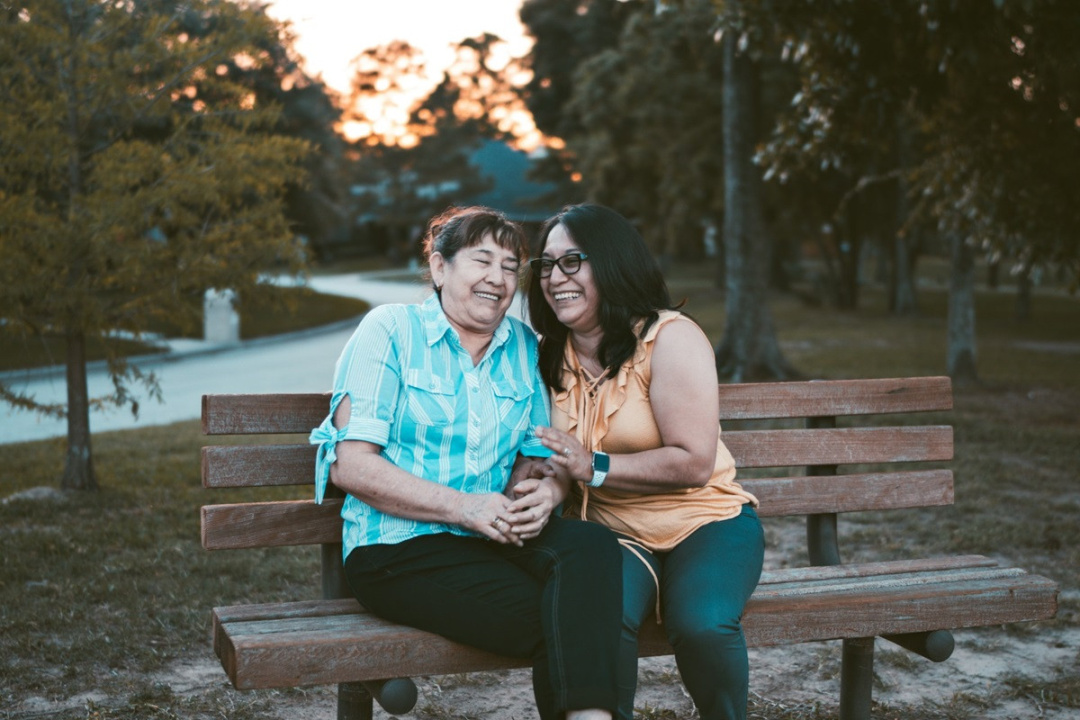
The World Health Organization (WHO) has unveiled updated guidelines focused on reducing the risk of cognitive decline and dementia, indicating that as much as 45% of dementia cases may be preventable or delayable through addressing modifiable risk factors. These guidelines are designed to aid countries in implementing evidence-based strategies that can be acted upon immediately to enhance cognitive health across populations. Dementia, a condition stemming from various brain diseases, significantly impacts memory, thinking, and daily functioning. Currently, over 57 million individuals worldwide are living with dementia, with nearly 10 million new cases diagnosed annually. Alzheimer’s disease, the most prevalent form of dementia, accounts for approximately 60-70% of these cases. Although there is no definitive cure for dementia, the WHO emphasizes that many risk factors are within individual control, including tobacco and alcohol use, social isolation, physical inactivity, air pollution, and noncommunicable diseases such as hypertension and diabetes. Dr. Tedros Adhanom Ghebreyesus, WHO Director-General, stated, "We know more today than ever before about what drives dementia risk, and these guidelines translate that knowledge into action." The updated guidelines reflect significant advancements in understanding dementia risk since the WHO's first recommendations in 2019. They consolidate strategies for managing unhealthy behaviors, addressing medical conditions, and minimizing exposure to environmental risks that contribute to cognitive decline. Recommended interventions include cognitive training, social engagement, increased physical activity, cessation of tobacco use, moderation of alcohol consumption, and adopting a healthy diet. Notably, the guidelines advise against the use of vitamin supplements, such as B and E vitamins and omega-3 fatty acids, unless a deficiency is diagnosed, due to insufficient evidence supporting their efficacy. Dementia not only affects the individual’s ability to function independently but also imposes substantial burdens on families and caregivers, contributing to an estimated global economic loss of US$ 1.3 trillion annually, with unpaid care accounting for a significant portion of this cost. By understanding and mitigating risk factors, the WHO aims to enhance health outcomes and improve quality of life, enabling individuals to live longer, healthier, and more independent lives.