Addressing Child Malnutrition in South Africa: Urgent Policy Changes Needed
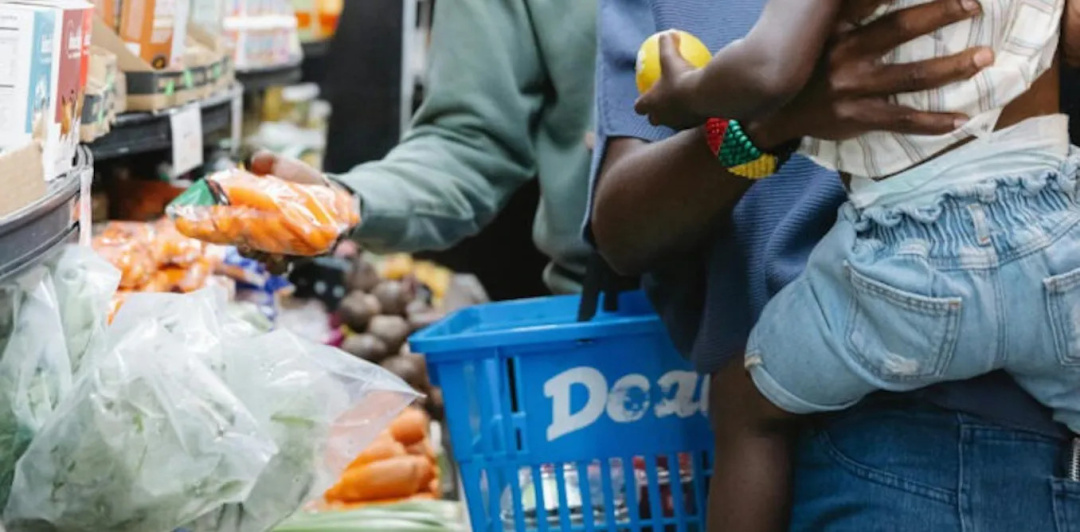
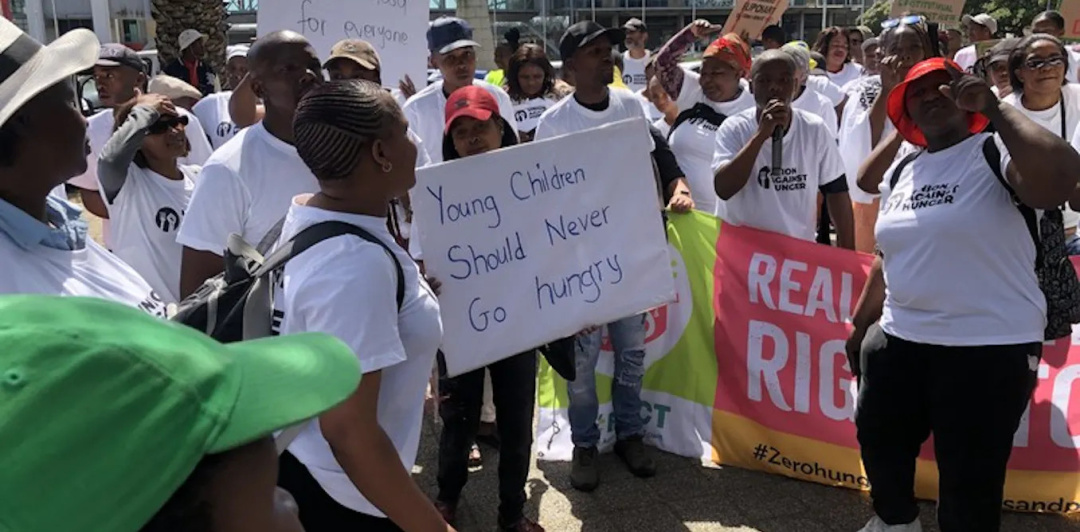
Child malnutrition in South Africa casts a long shadow across the life course, impacting children's physical growth and brain development. This malnutrition leads to stunting, which compromises education and employment prospects, and increases the risk of noncommunicable diseases such as obesity, diabetes, and hypertension. These health issues place a significant burden on South Africa's healthcare system and contribute to an intergenerational cycle of poverty and ill health. Despite South Africa producing a surplus of food, many children suffer from hunger, with deaths from severe acute malnutrition representing just a fraction of the problem. The Children's Institute at the University of Cape Town has dedicated over two decades to researching child health and nutrition, advocating for law reforms to protect children's rights and providing education on nutrition. Their ongoing data project, Children Count, reveals a deteriorating situation, with over one in four young children stunted and a rapid increase in childhood overweight and obesity, nearly doubling from 13% to 22.3% since 2016. Early intervention is crucial, as research indicates that malnutrition during the first 1,000 days of life can have irreversible effects on long-term health and development. Addressing the root causes of malnutrition is essential, as many children live in food-insecure households where caregivers skip meals to protect their children from hunger. Nearly 40% of children live below the food poverty line, with insufficient income to meet their basic nutritional needs. The influx of cheap, ultra-processed foods high in sugar, salt, and saturated fats has exacerbated the obesity crisis, particularly in food deserts where healthy options are scarce. The South African Human Rights Commission has investigated these violations of children's rights to nutrition, calling for a focus on children in public inquiries into the food system. To combat child malnutrition, South Africa must invest in maternal health and nutrition, particularly during pregnancy when nutritional needs are heightened. Advocates propose a maternal support grant starting in the second trimester, transitioning to a child support grant post-birth, to ensure healthy growth and development. Improving infant and young child feeding practices is also critical, as breastfeeding is a powerful intervention against malnutrition, yet only one in five infants in South Africa are exclusively breastfed. Support for breastfeeding women and access to nutrition programs for at-risk children are essential. Schools and early childhood development programs can provide daily meals to alleviate hunger, but current programs do not adequately support children in their most vulnerable years. The child support grant is the primary source of nutritional support for younger children, yet its value is eroded by food price inflation. Advocates urge the government to increase the grant to meet the food poverty line. Additionally, regulating the food industry through taxes on sugar-sweetened beverages, clear labeling of unhealthy foods, and restrictions on marketing to children is necessary to create healthier food environments. By implementing these recommendations, South Africa can work towards ensuring that healthy food is accessible and affordable for all children, thereby improving their health and nutrition outcomes.