Mediterranean Diet Linked to Improved Mental Health in Older Adults During COVID-19

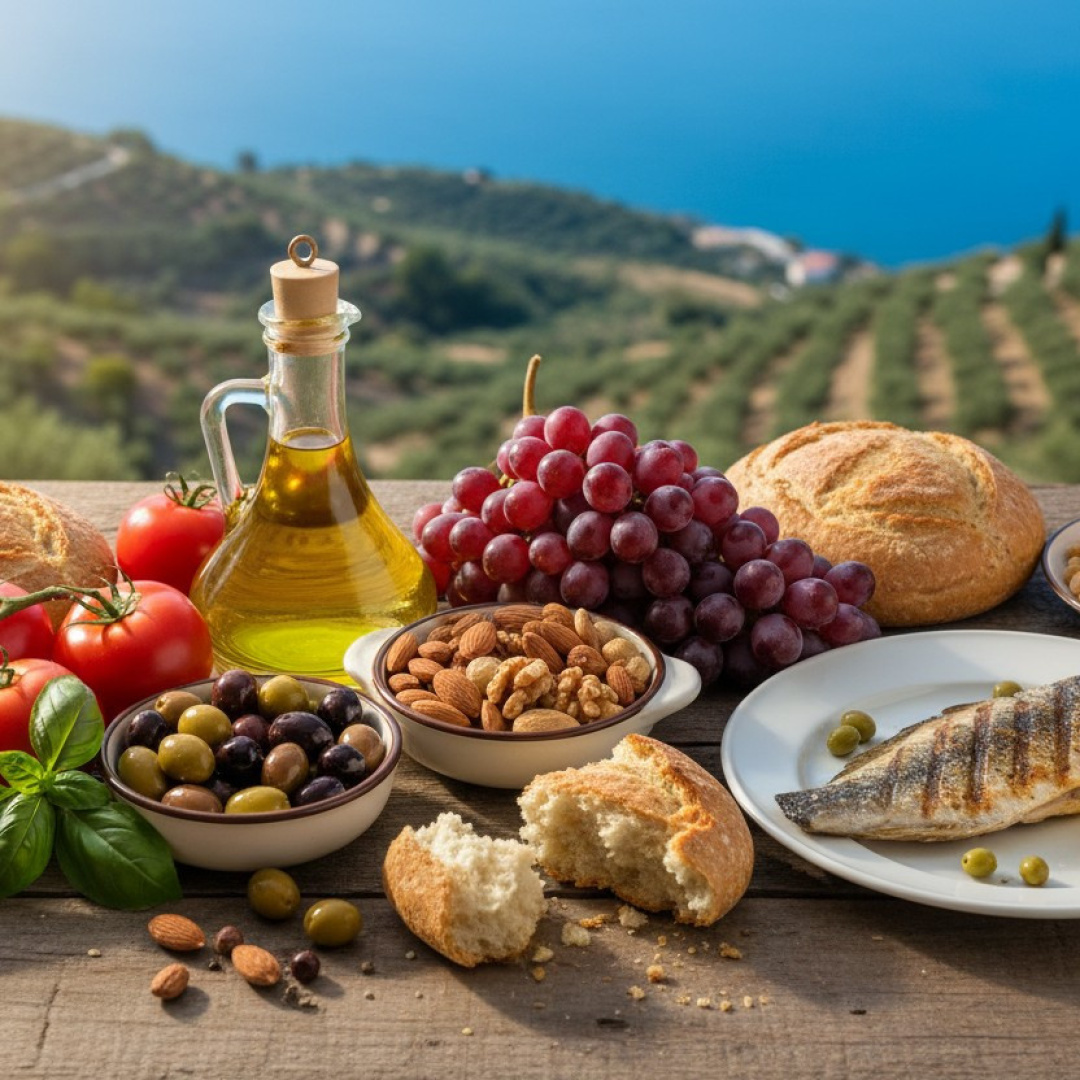
A recent study has revealed that older adults in England who followed a Mediterranean diet during the COVID-19 pandemic reported better mental health outcomes than those who did not adhere to this dietary pattern. The Mediterranean diet, known for its emphasis on fruits, vegetables, fish, and olive oil, may play a significant role in maintaining psychological well-being as individuals age.
The research tracked over 3,000 adults aged between 50 and 90, assessing how their dietary choices influenced their long-term outlook on life. Participants completed specialized surveys measuring various positive psychological traits, including autonomy, life satisfaction, purpose, and control over daily routines. Based on their eating habits, each participant received a score reflecting their adherence to the Mediterranean diet.
Notably, the study found that those who closely followed the Mediterranean diet reported a significantly enhanced sense of overall well-being. This finding persisted even after accounting for numerous factors such as income, education, physical activity, smoking habits, and general health. Importantly, the improvement in well-being was not attributed to differences in caloric intake, suggesting that the specific types of food consumed were crucial to the observed benefits.
As the researchers monitored participants over several years, they noted shifts in well-being during the early months of the pandemic. While emotional well-being and happiness generally declined across the entire group, those adhering to the Mediterranean diet experienced a less severe drop in their mental health.
The Mediterranean diet is rich in anti-inflammatory components, including omega-3 fatty acids from fish and polyphenols found in extra virgin olive oil. These nutrients are believed to lower inflammation in the brain and support a healthy gut microbiome, which is linked to the production of mood-regulating hormones.
Kim Kulp, a registered dietitian nutritionist, emphasized that the Mediterranean diet provides a wealth of nutrients that can enhance both physical and mental health. However, the study does have limitations. It relied on self-reported dietary surveys, which can sometimes lead to inaccuracies. Additionally, the participants tended to be healthier and wealthier than the general population, potentially limiting the applicability of the findings to more diverse or vulnerable groups.
The study's observational nature also means it cannot definitively establish a cause-and-effect relationship between the diet and improved mental health. Despite these limitations, the findings suggest that a diet rich in fruits, vegetables, whole grains, nuts, seeds, and legumes may contribute to better mental health outcomes as individuals age, particularly during challenging times like the pandemic.