Study Reveals Lower Gut Bacterial Diversity in Vegans Compared to Omnivores
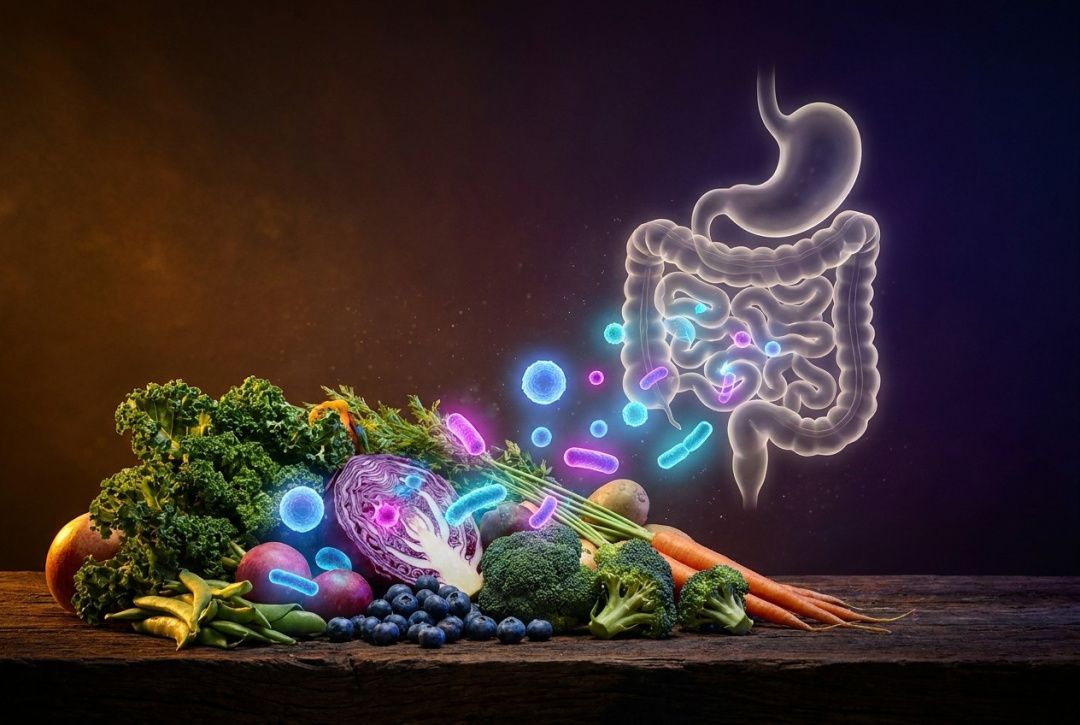
A study conducted by researchers at the University of Copenhagen has revealed that vegans, despite having a generally healthy gut microbiome, may be at risk of lower gut bacterial diversity compared to their omnivorous counterparts. The gut microbiome is a complex ecosystem composed of billions of microorganisms that play a crucial role in regulating various bodily functions and maintaining overall health.
The researchers analyzed the gut microbiomes of 75 vegans and 75 omnivorous Danes, expecting to find that the vegan group would exhibit superior gut health due to their high intake of dietary fiber and other beneficial plant compounds. Surprisingly, the findings indicated that vegans had lower average gut bacterial diversity than omnivores.
Professor Oluf Borbye Pedersen, a key author of the study, expressed his surprise at these results. He noted that while vegans consume large amounts of plant-based foods, which are typically associated with a healthy gut microbiome, their lower protein intake might be a contributing factor to the reduced diversity observed. On average, vegans derived 12% of their dietary energy from protein, compared to 17% for omnivores. Interestingly, vegans who consumed higher amounts of protein showed gut biodiversity levels similar to those of omnivores.
The researchers emphasize the significance of gut health, as a diverse microbiome is linked to improved digestion, metabolism, immune function, and even brain health. Pedersen likened the gut microbiome to a rainforest, thriving best with a wide variety of species. He stated, "High biodiversity is a sign of a healthy and resilient gut microbiome."
Examining the Methodology Behind Gut Microbiome Analysis
In their analysis, the researchers examined stool, blood, and urine samples to map the bacteria and viruses present in the gut, as well as various signaling molecules in the body. Despite the noted reduction in bacterial diversity, the study found that vegans had a health-promoting gut microbiome, characterized by higher carbohydrate and dietary fiber intake, and lower levels of protein and fat compared to omnivores.
Navigating the Implications of Vegan Diets on Health
Additionally, vegans exhibited lower blood glucose and cholesterol levels, along with fewer inflammatory markers in their bodies. However, the researchers caution that their study was relatively small and observational, meaning it can only indicate associations rather than direct causal relationships between dietary habits and gut health.
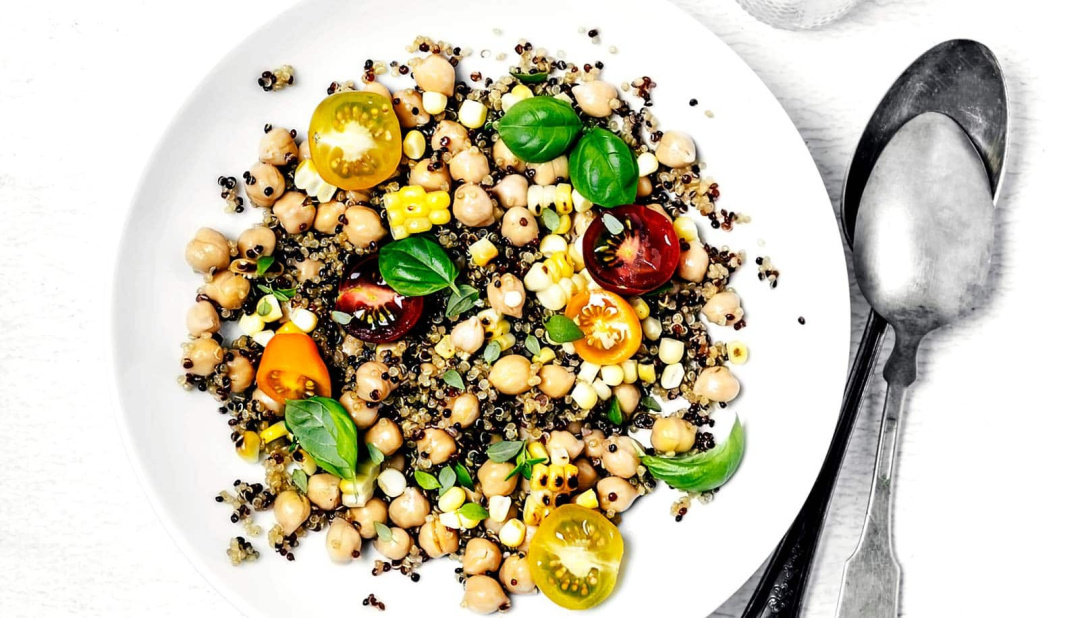
As a result, Pedersen refrains from making specific dietary recommendations based on this study. He does, however, stress the importance of adequate nutrition for vegans, particularly regarding protein intake, which can be sourced from beans, lentils, hemp seeds, chia seeds, quinoa, almonds, and nuts. The findings of this study were published in the journal Microbiome.