Natural Foods to Enhance Gut Health and Digestion
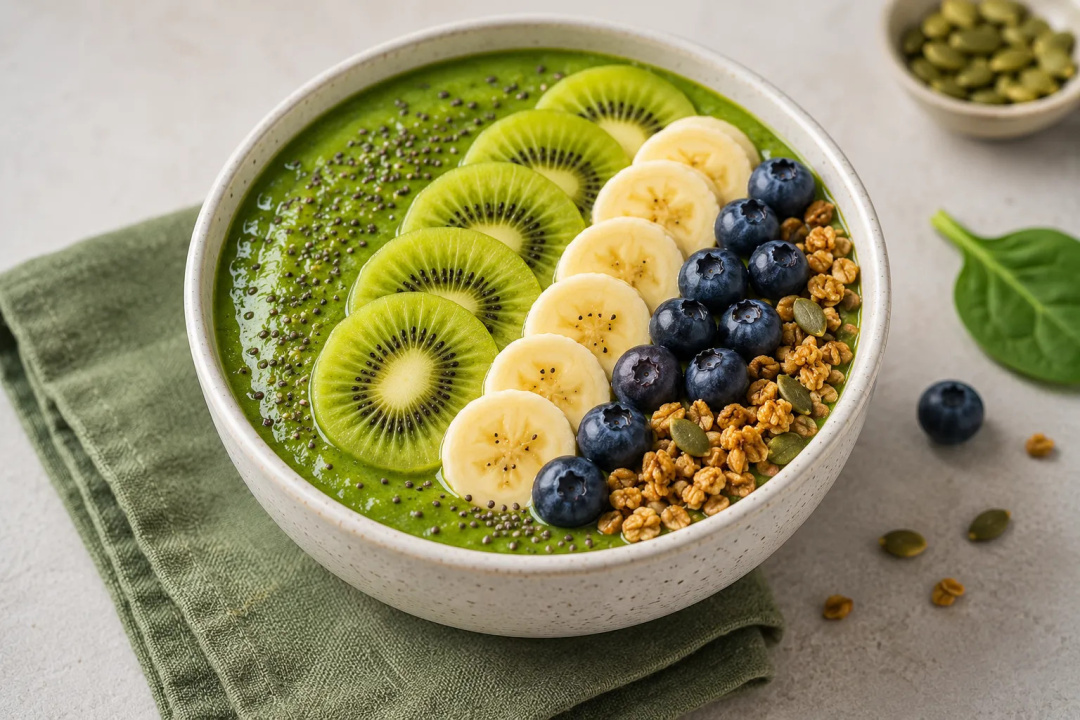
Gut health plays a crucial role in overall well-being, impacting not only digestion but also immunity and nutrient absorption. A balanced gut microbiome, which consists of beneficial bacteria, is essential for the body to function efficiently. Fortunately, improving gut health does not require complicated diets; instead, incorporating the right foods into daily meals can naturally support digestion and maintain a healthier lifestyle.
The gut is often referred to as the body's "second brain" due to its significant connection to overall health. A well-functioning digestive system aids in nutrient absorption, supports immune function, and contributes to better energy levels. Conversely, poor gut health can lead to issues such as bloating, digestive discomfort, irregular bowel movements, and reduced nutrient absorption. Thus, maintaining a healthy gut is vital for long-term wellness.
Fiber is one of the most important nutrients for gut health. It facilitates the movement of food through the digestive tract and serves as nourishment for beneficial gut bacteria. Fruits like apples, pears, and berries, along with vegetables such as broccoli, carrots, and spinach, are excellent sources of dietary fiber. Whole grains, oats, and legumes also contribute to healthy digestion and regular bowel movements.
Fermented foods naturally contain probiotics, which are beneficial bacteria that support a healthy gut microbiome. Popular examples include yogurt, kefir, kimchi, sauerkraut, and traditional fermented pickles. Regular consumption of these foods can help improve the balance of gut bacteria and enhance digestive health.
Prebiotics, a special type of fiber, nourish the beneficial bacteria already residing in the gut. Foods such as bananas, garlic, onions, asparagus, and oats are rich in prebiotics. Including these foods in your diet can help beneficial bacteria thrive, creating a healthier digestive environment.
The Importance of Hydration and Healthy Fats for Digestion
Staying hydrated is also essential for proper digestion. Water aids in breaking down food, supports nutrient absorption, and helps prevent constipation. Maintaining adequate hydration throughout the day can significantly enhance digestive comfort. Herbal teas and naturally flavored water can also contribute to daily hydration goals.
Healthy fats, such as those found in avocados, nuts, seeds, and olive oil, support digestive health and reduce inflammation. These nutrient-rich foods can be easily incorporated into balanced meals to promote overall wellness and digestive comfort.
While adding beneficial foods is crucial, it's equally important to reduce the intake of highly processed foods. Excessive consumption of sugary snacks, sugary beverages, and heavily processed meals can negatively impact the balance of gut bacteria. Opting for fresh, whole foods whenever possible is a healthier approach for long-term digestive well-being.
Nurturing Gut Health Through Lifestyle and Dietary Choices
Healthy digestion involves more than just food choices. Eating slowly, managing stress, staying physically active, and maintaining consistent meal times can all contribute to better gut health. Small lifestyle changes often lead to significant improvements in digestive function.
Improving gut health naturally begins with making smarter food choices. Fiber-rich fruits and vegetables, fermented foods, prebiotic ingredients, healthy fats, and proper hydration all play important roles in supporting a healthy digestive system. When combined with healthy daily habits, these foods can enhance digestion, bolster immunity, and contribute to overall well-being. A healthy gut is the foundation of a healthy body, making it worth the effort to nourish it every day.