Maximizing the Health Benefits of Walnuts: Best Practices
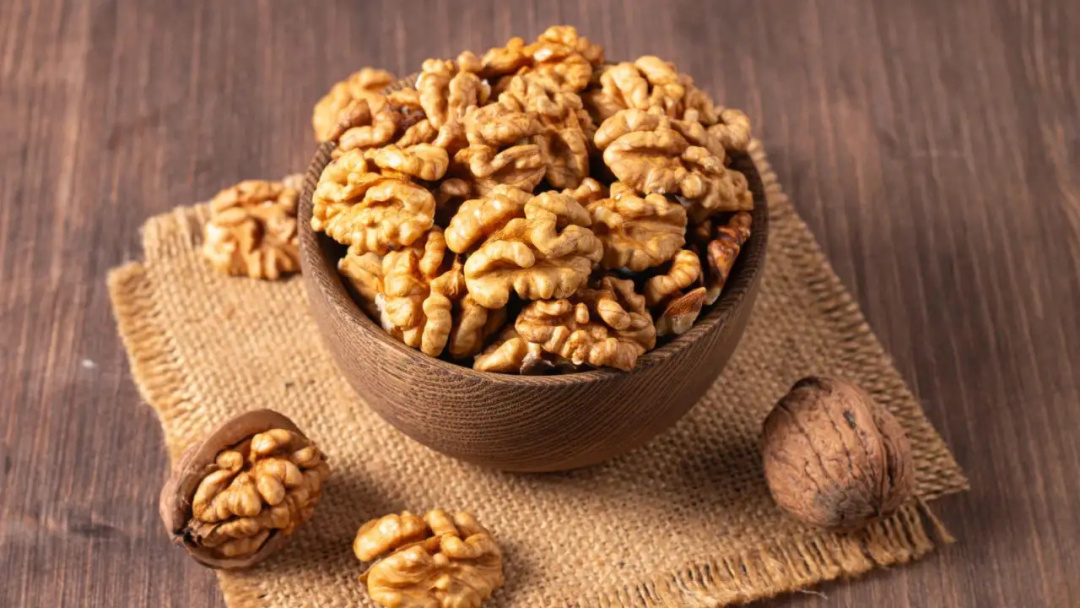
Walnuts are often consumed casually, tossed into snacks or desserts without much thought. However, how you prepare and pair these nutrient-dense nuts can significantly influence their health benefits. To maximize their potential, consider a few simple adjustments to your walnut consumption routine.
First and foremost, consuming raw walnuts is recommended to retain their full nutritional value. These nuts are rich in fatty acids, protein, vitamins, and minerals. Roasting walnuts can diminish their nutrient content, particularly their omega-3 fatty acids and antioxidants. A study published in the Journal of Agricultural and Food Chemistry confirms that raw walnuts maintain more delicate polyphenols and antioxidant properties compared to their roasted counterparts. Therefore, incorporating raw walnuts into your daily diet can support heart health and cognitive function.
Another effective method is soaking walnuts overnight. This practice not only enhances their digestibility but also improves mineral absorption. Walnuts contain phytic acid, which can inhibit the absorption of essential minerals. By soaking them in water overnight, you can reduce this acid, making nutrients like zinc, iron, and calcium more available. After soaking, the walnuts become softer and more palatable, making them an excellent addition to smoothies or oatmeal. Research from the Journal of Food Science and Technology supports that soaking helps break down enzyme inhibitors and reduces acidity, aiding the body's ability to absorb these vital minerals.
Incorporating walnuts into meals is another way to enjoy their health benefits. They add a delightful crunch and healthy fats to various dishes. For instance, adding chopped walnuts to salads or yogurt can enhance texture and flavor while providing omega-3s and protein. They pair well with fruits like apples, berries, and bananas, making them versatile for both savory and sweet dishes. A study in the American Journal of Clinical Nutrition indicates that consuming walnuts alongside raw vegetables can boost the absorption of fat-soluble vitamins and carotenoids, such as vitamins A, E, and K.
Incorporating Walnuts into Your Baking and Smoothies
Baking with walnuts is also a great way to enjoy their flavor and nutrients. Whether ground or chopped, walnuts can be added to cakes, muffins, cookies, or breads without losing their health benefits. This incorporation not only enhances the taste but also contributes healthy fats, fiber, and protein to your baked goods.
Adding walnuts to smoothies can make them more filling and nutritious. Blending a handful of walnuts with fruits and leafy greens creates a rich, heart-healthy drink packed with omega-3 fatty acids. This combination not only improves the smoothie’s texture but also boosts its overall nutritional profile.
Enhancing Nutrition with Walnut Pairings
Walnuts pair wonderfully with other nutrient-dense foods. Combining them with antioxidant-rich berries, seeds, or dark chocolate creates a snack that is full of vitamins, minerals, and healthy fats. This synergy can enhance digestion, boost immunity, and provide sustained energy throughout the day. A study in the Journal of Nutrition highlights that pairing walnuts with polyphenol-rich foods like berries can strengthen brain cell signaling and offer better protection against oxidative stress than consuming either food alone.
While walnuts are incredibly healthy, they are also high in calories, so moderation is key. A handful of walnuts is considered an appropriate daily serving, providing a mix of nutrients without excessive caloric intake. Clinical trials published in Circulation, the journal of the American Heart Association, found that consuming one to two ounces of walnuts daily can lower bad LDL cholesterol without contributing to weight gain. Incorporating these practices into your walnut consumption can help you fully benefit from their remarkable health properties.