Study Links Chewing Sugary Gum After Nitrate-Rich Foods to Temporary Blood Pressure Drop
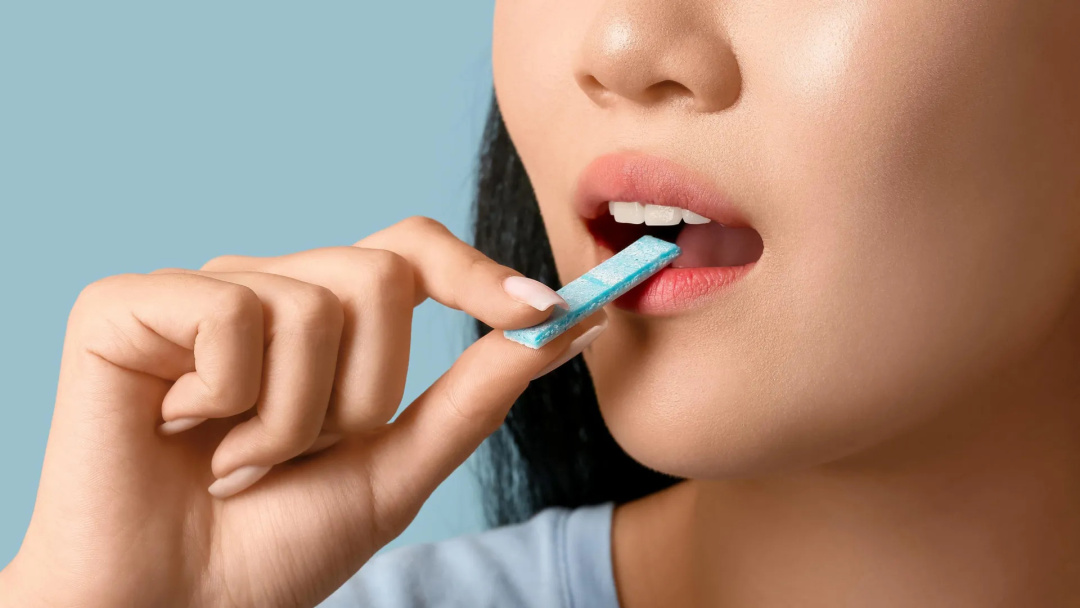
Researchers at King's College London have discovered a surprising link between chewing sugary gum after consuming nitrate-rich vegetables and a temporary decrease in blood pressure. This research suggests that, under certain conditions, sugary chewing gum can enhance the body's utilization of dietary nitrate found in foods such as beetroot, spinach, and kale. Nitrate accumulates in these vegetables from the soil but requires conversion by oral bacteria into nitrite to exert its beneficial effects, which include relaxing blood vessels and lowering blood pressure.
The study aimed to explore how mouth acidity influences the conversion of nitrate to nitrite. Previous research indicated that increasing acidity could potentially speed up this conversion process. To test this hypothesis, the researchers conducted a crossover study involving healthy volunteers who drank a shot of beetroot juice before chewing either sugary gum (Hubba Bubba®) or sugar-free gum (Wrigley's Extra®) for three to six hours. Blood and saliva samples were collected throughout the experiment to monitor changes in nitrite levels and blood pressure.
The results showed that chewing the sugary gum significantly increased saliva acidity, resulting in a 1.4 point drop in pH. This change was associated with a 45% increase in nitrite levels in the mouth and a 25% increase in nitrite circulating in the body. Participants who chewed the sugary gum experienced a measurable reduction in blood pressure, with systolic blood pressure dropping by nearly 3 mmHg and diastolic blood pressure by almost 2 mmHg compared to those who chewed sugar-free gum.
However, the researchers caution that these findings should not be interpreted as a recommendation to chew sugary gum for blood pressure control. The effects observed were temporary, and regular consumption of sugary products poses known risks to dental and overall metabolic health. Dr. Andrew Webb, a Clinical Senior Lecturer involved in the study, emphasized that while the results are intriguing, long-term use of sugary products is not advisable for maintaining dental health.
The study also highlights the potential implications for athletes, who often consume beetroot for its performance-enhancing properties due to its nitrate content. Dr. Webb noted that the traditional culinary practice of following a nitrate-rich meal with a sweet dessert may enhance the blood pressure-lowering effects of these foods.
Future research is planned to further investigate how sugary chewing gum affects nitrate metabolism, blood pressure, and exercise performance in athletes. The findings were published in the British Journal of Clinical Pharmacology, and the research team aims to develop alternative strategies that can enhance nitrate conversion without the drawbacks associated with sugar consumption.