Liquid Calories vs. Solid Foods: Understanding Satiety
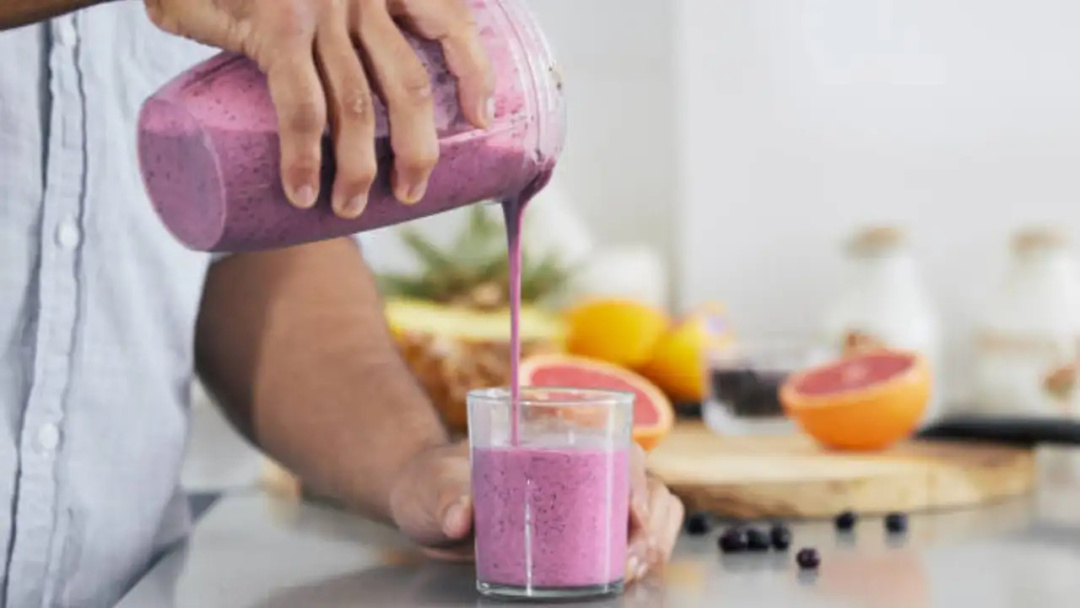
A recent discussion highlights the differences in satiety between liquid calories and solid foods, emphasizing that drinks like fresh fruit juice or smoothies do not provide the same feeling of fullness as whole fruits or meals. While both liquid and solid foods can contain similar calorie counts, our bodies process these calories differently, impacting our hunger and fullness cues.
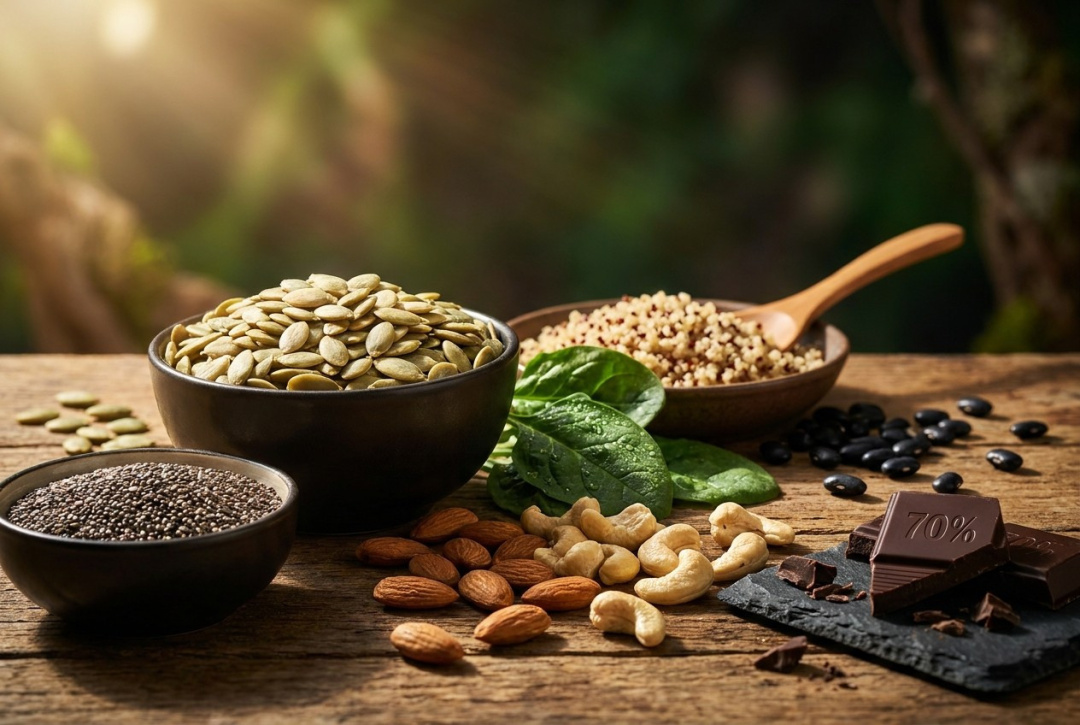
Solid foods require chewing, which allows our brain and digestive system to register that we have eaten. This sensory experience is vital for feeling full, and the physical nature of the food we consume significantly influences this sensation. Foods rich in protein and fiber are particularly effective at promoting satiety. Protein triggers the release of hormones that regulate appetite, while fiber adds bulk, prolonging the time food remains in the stomach and facilitating a gradual digestion process that contributes to sustained feelings of fullness.
Comparing whole fruits like oranges and apples to their juices illustrates this point well. Eating a whole fruit retains its natural fiber, which enhances satiety due to the chewing process. In contrast, juicing these fruits breaks down their structure, making it easy to consume a large number of calories in a short time without the accompanying fullness. Studies have shown that whole fruits can be more filling and may even decrease overall food intake later in the day.
However, not all liquids are less filling than solid foods. For instance, thick smoothies made with whole fruits, nuts, seeds, and yogurt can be quite satisfying due to their fiber and protein content. Similarly, soups rich in vegetables and proteins, such as lentils, can also provide a feeling of fullness thanks to their high water content and volume. It is important to note that while protein shakes can contribute to satiety, they may not offer the same fullness as a balanced meal that includes protein, fiber, and a variety of nutrients.
Strategies for Enhancing Satiety Through Food Choices
For better satiety, it is advisable to prioritize whole and minimally processed foods over liquids. Incorporating adequate protein and fiber into meals, eating slowly, and choosing whole fruits instead of juices can enhance hunger control. Additionally, being mindful of sugar content in smoothies and shakes is essential to avoid excessive calorie intake from sugary drinks.
The Preference for Solid Foods in Hunger Management
Ultimately, while liquid calories are not inherently bad, consuming solid foods that are rich in protein and fiber is generally more effective for managing hunger and achieving sustainable weight loss.
Dt. Simrat Kathuria, a nutrition consultant, emphasizes that meals composed of whole foods are preferable for controlling hunger compared to liquid alternatives.