Cultural Engagement Linked to Younger Physiological Age in Older Adults
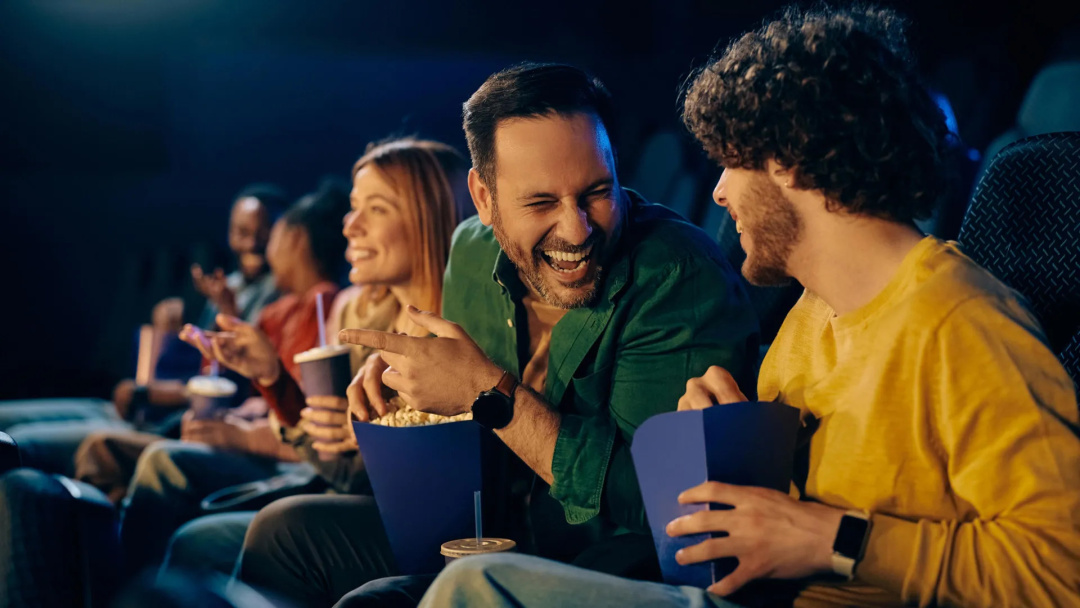
A new study published in the Journal of Epidemiology and Community Health reveals that older adults who regularly engage in cultural activities like visiting museums, theaters, and concerts may have bodies that function similarly to those of younger individuals. This research adds to the growing evidence that social and cultural engagement plays a significant role in promoting healthy aging.
The study, conducted by researchers at the Institute of Science Tokyo in Japan, is noted as the first longitudinal examination of the connection between cultural activities and physiological aging, taking into account stable unmeasured factors over time. The analysis involved 1,899 adults aged 50 and older from the English Longitudinal Study of Ageing, a comprehensive population-based study.
Participants provided data across multiple survey waves between 2004 and 2009. To assess physiological age, nurses measured ten indicators of physical health, including blood pressure, cholesterol levels, and grip strength, which were combined into a single physiological age score. Additionally, participants reported their frequency of attending cultural events, which was scored to create a total cultural engagement score.
The findings indicated that individuals with higher cultural engagement had an average physiological age of 66.9 years, compared to 69.9 years for those with lower engagement levels—a difference of approximately three years. Those who engaged more frequently in cultural activities were typically women with higher socioeconomic status and better overall health.
After adjusting for various factors such as income and chronic health conditions, researchers found that each one-point increase in cultural engagement score was associated with a reduction in physiological age by approximately 31 days. This suggests a meaningful link between cultural participation and physical health outcomes.
The researchers propose several reasons why cultural activities might contribute to healthier aging. These activities can enhance social connections, promote healthier lifestyle choices, and improve mental health, all of which may slow the aging process. However, the observational nature of the study means that it cannot definitively establish causation; healthier individuals may simply be more inclined to participate in cultural events.
Despite these limitations, the authors argue that cultural engagement is a modifiable behavior that could serve as an effective public health strategy. They emphasize the importance of making cultural events more accessible to encourage broader participation, which could lead to significant health benefits over time. Further research is necessary to explore whether promoting cultural engagement can lead to sustained improvements in health and aging.