Dietary Shift Linked to 14% Reduction in Pancreatic Fat
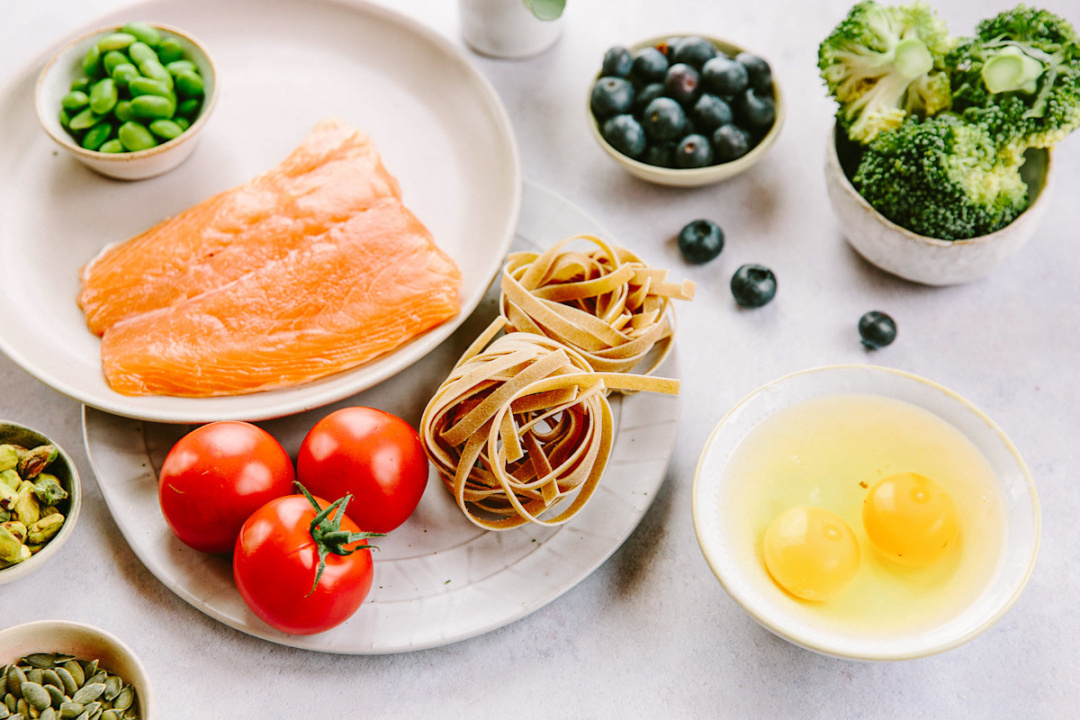
Fat accumulation in the pancreas can have serious implications for insulin regulation and the risk of type 2 diabetes. A recent study aimed to investigate whether dietary choices could influence the amount of fat stored in this vital organ. Researchers conducted an analysis involving 294 adults with excess belly fat or unhealthy blood fat levels over an 18-month randomized trial. Participants followed one of three eating plans: a traditional Mediterranean diet, a modified Mediterranean diet enriched with plant-based ingredients, and a healthy-guidelines diet.
The study utilized MRI scans to measure pancreatic fat, pancreas size, and visceral fat at the beginning and end of the trial. The results showed that pancreatic fat decreased across all groups, but the extent of reduction varied significantly. The Green-Mediterranean group, which incorporated additional plant-based foods, experienced the most substantial decrease, with pancreatic fat dropping by approximately 14%. In contrast, the traditional Mediterranean group saw a reduction of 6.7%, while the healthy-guidelines group had a mere 0.8% decrease.
Importantly, the researchers accounted for changes in participants' weight and visceral fat, confirming that the Green-Mediterranean diet's advantage in reducing pancreatic fat was not solely due to weight loss. Participants who lost more pancreatic fat also exhibited smaller waistlines, lower body mass index (BMI), and reduced insulin resistance, indicating a positive impact on overall metabolic health. Notably, the size of the pancreas remained largely unchanged across all groups.
The pancreas plays a critical role in regulating blood sugar levels by releasing insulin. Excess fat accumulation in and around the pancreas can interfere with this function, leading to insulin resistance and poor blood sugar control. Higher pancreatic fat levels are associated with an increased risk of type 2 diabetes and metabolic syndrome, often occurring alongside higher visceral fat levels.
Weight Shapes Loss
Weight loss is widely recognized as an effective strategy for reducing pancreatic fat, but the study suggests that certain dietary components may also play a role. The Green-Mediterranean diet includes ingredients like green tea and mankai, which are rich in polyphenols. These compounds may contribute to the observed reduction in pancreatic fat, although the researchers caution that more research is needed to establish a direct causal relationship.
Further Research Needed on Green-Mediterranean Diet Benefits
While the findings are promising, they are based on a specific group of participants, predominantly men with excess belly fat. Further research is necessary to determine whether these results can be generalized to a broader population. The Mediterranean diet is already celebrated for its health benefits, and the addition of green tea and mankai could provide additional metabolic advantages.
Incorporating elements of the Green-Mediterranean diet into your meals may be a simple way to potentially enhance your health. However, it's important to remember that individual results may vary, and this analysis does not guarantee that everyone will experience the same benefits. This early research encourages further exploration into how plant-rich foods can support health beyond visible weight changes.