Gut Bacteria Influence Nutrient Absorption and Metabolic Health
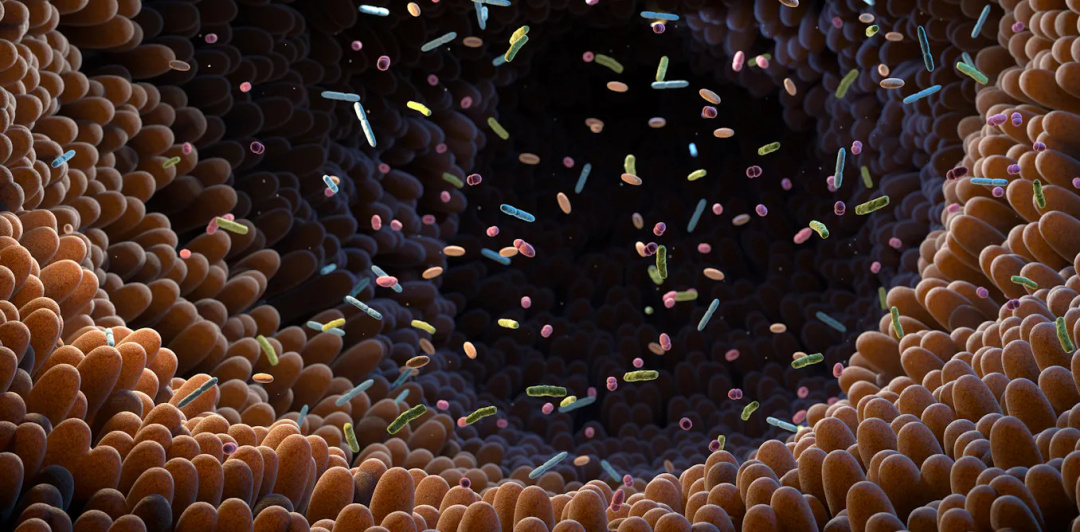
Research indicates that the way our bodies process food is significantly influenced by daily rhythms linked to the 24-hour light-dark cycle. A recent study published in the journal Cell Host & Microbe reveals that the microbes residing in our gut act as hidden timekeepers, helping to regulate nutrient absorption based on when we eat. These gut microbes convert dietary signals into molecules that intestinal cells utilize to synchronize nutrient absorption with feeding times. In experiments with mice, this timing mechanism was found to enhance nutrient uptake and support growth, particularly during periods of food scarcity.
However, when these mice consumed excess calories, the same system contributed to obesity. All animals, including humans, experience natural shifts between day and night due to Earth’s rotation. While our eyes and brains respond to light signals to align bodily functions with environmental changes, the gut microbiome also plays a pivotal role in this synchronization. Disruptions to this temporal alignment, such as those caused by jet lag or night-shift work, have been linked to various health issues.
The gut microbiome, which consists of trillions of microbes, is integral to our physiology, influencing metabolism, immunity, and even brain function. Previous research has shown that depleting gut bacteria in mice weakens circadian rhythms in the small intestine and alters them in the colon, which can negatively affect how well the intestine absorbs fats and lipids. This disruption may contribute to metabolic disorders like obesity.
Interestingly, the new study suggests that gut microbes can track time through feeding patterns. The researchers found that these microbes metabolize phytate, a component commonly found in grains, beans, nuts, and seeds, converting it into molecules that activate specific proteins in intestinal cells. This process turns on genes responsible for nutrient transport. Conversely, during fasting, a decrease in phytate levels leads to reduced microbial activity and lower nutrient absorption.
Gut Microbes and Their Role in Nutrient Timing
This mechanism allows gut microbes to align nutrient absorption with typical eating times, maximizing efficiency. The findings suggest that, similar to light, food provides signals that gut microbes use to determine how our bodies function. Humans have co-evolved with their gut microbiota for millennia, indicating that this microbe-controlled timing system offers significant benefits.
Evolutionary Insights on Gut Microbes and Modern Obesity Challenges
Historically, food scarcity was common, and the researchers hypothesized that this microbial pathway helped humans survive and grow under such conditions. In their experiments, mice fed a nutrient-poor diet and given either a common gut microbe or a molecule linked to circadian regulation showed improved growth and health compared to those that did not receive these supplements.
However, in today's environment, where food is often abundant, obesity has emerged as a significant dietary challenge. The study found that in high-calorie conditions, the same microbial pathway that once supported survival now promotes excess fat storage and worsens diet-induced obesity. This illustrates an evolutionary mismatch, where a system that once aided survival becomes detrimental in a modern context.