Quebec Reports Rise in Cyclosporiasis Cases Amid Michigan Outbreak

Quebec is currently facing an increase in the number of reported cases of cyclosporiasis, a parasitic infection that causes watery and sometimes explosive diarrhea. According to the province’s Health Ministry, there have been 85 cases reported since the beginning of 2026, which marks a significant rise from the 30 cases reported during the same period last year. The ministry noted that the average number of cases for this timeframe between 2022 and 2025 was 32 cases.
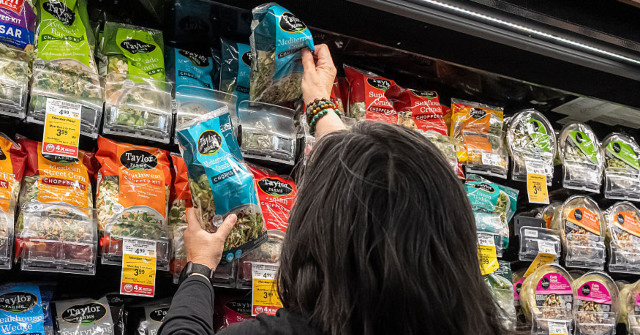
Despite this uptick, health officials emphasize that the situation in Quebec is not comparable to the ongoing outbreak in Michigan, which has affected thousands. As of now, the Michigan Department of Health and Human Services has reported 3,309 cases and 44 hospitalizations, with lettuce or salad greens identified as a potential source of the outbreak.
The majority of Quebec’s cyclosporiasis cases appear to be linked to travel, primarily to Mexico, with fewer than five cases reported involving travel to the United States. The Health Ministry has stated that none of the cases in Quebec seem to be associated with the outbreak in Michigan.
Dr. Lawrence Goodridge, a professor of food safety at the University of Guelph, explained that cyclosporiasis is caused by the parasite cyclospora, which can be contracted through the consumption of contaminated food or water. Symptoms typically include watery diarrhea, loss of appetite, bloating, cramping, fatigue, and weight loss. While the illness is rarely fatal, it can lead to prolonged symptoms that may last for several weeks.
The seasonal increase in cyclosporiasis cases is often observed during the spring and summer months, and the Health Ministry is continuously monitoring the situation. Canada averages about 240 cases of cyclosporiasis per year, with most cases linked to international travel.
Given the proximity of Montreal to the U.S. border and the ongoing outbreak affecting 31 states, Dr. Goodridge recommends that travelers to the U.S. take precautions. He suggests cooking produce when possible, as heat can effectively kill the parasite. For fruits, he advises choosing those with smooth surfaces, such as grapes, and avoiding berries that may harbor the parasite in their crevices. When consuming lettuce, opting for whole heads instead of pre-packaged varieties can help reduce contamination risk, as the outer leaves can be removed and washed thoroughly.
While the Quebec Health Ministry has acknowledged the rise in cases, it has not allocated additional funding to address this issue, but it continues to recognize the importance of research, teaching, and care related to food safety.