Systematic Review of Whole-Body Vibration Effects on Bone Health in Mouse Models
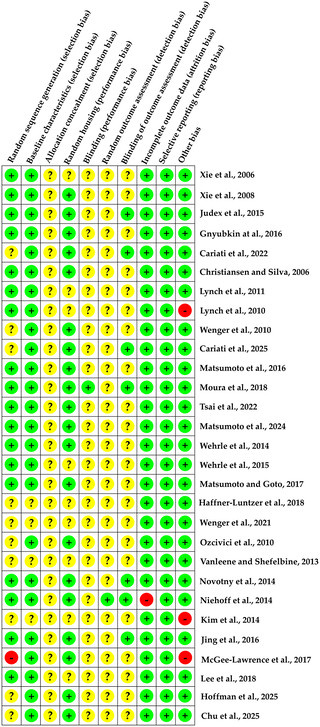
Whole-body vibration (WBV) has been identified as a mechanical stimulus that can positively influence bone tissue, potentially modulating its turnover and microarchitecture. A recent systematic review aimed to consolidate existing evidence on the effects of WBV in mouse models, comparing various experimental protocols and their outcomes. The review adhered to PRISMA guidelines and involved a comprehensive literature search across MEDLINE, Scopus, and Web of Science databases. It included studies focusing on healthy mice, as well as those modeling osteoporosis, fracture healing, and other forms of bone loss. The methodological quality of the studies was assessed using SYRCLE’s RoB tool, which evaluates the risk of bias and reliability of results. In total, 29 studies were included, revealing that WBV generally enhances bone formation, mineral density, and the microarchitecture of trabecular and cortical bone. However, the results were heterogeneous, influenced by factors such as the frequency, acceleration, duration of exposure, and recovery times between sessions. Notably, in some experimental conditions, WBV combined with parathyroid hormone (PTH) or estrogen demonstrated synergistic effects, while in models of disuse and metabolic disorders, mechanical vibrations were effective in preserving bone mass and reducing osteoclastic activity. The findings suggest that WBV could be a valuable strategy for modulating bone turnover and improving bone density, although the effects are significantly dependent on the specific parameters of the WBV protocol and the underlying pathophysiological conditions. The review calls for additional studies to clarify the mechanisms behind these effects, optimize WBV protocols, and assess the clinical relevance in diverse populations. It emphasizes the importance of preclinical evidence from mouse models to inform future clinical applications of WBV in preventing skeletal fragility and enhancing bone health.