Brain-Healthy Foods Change Throughout Life Stages
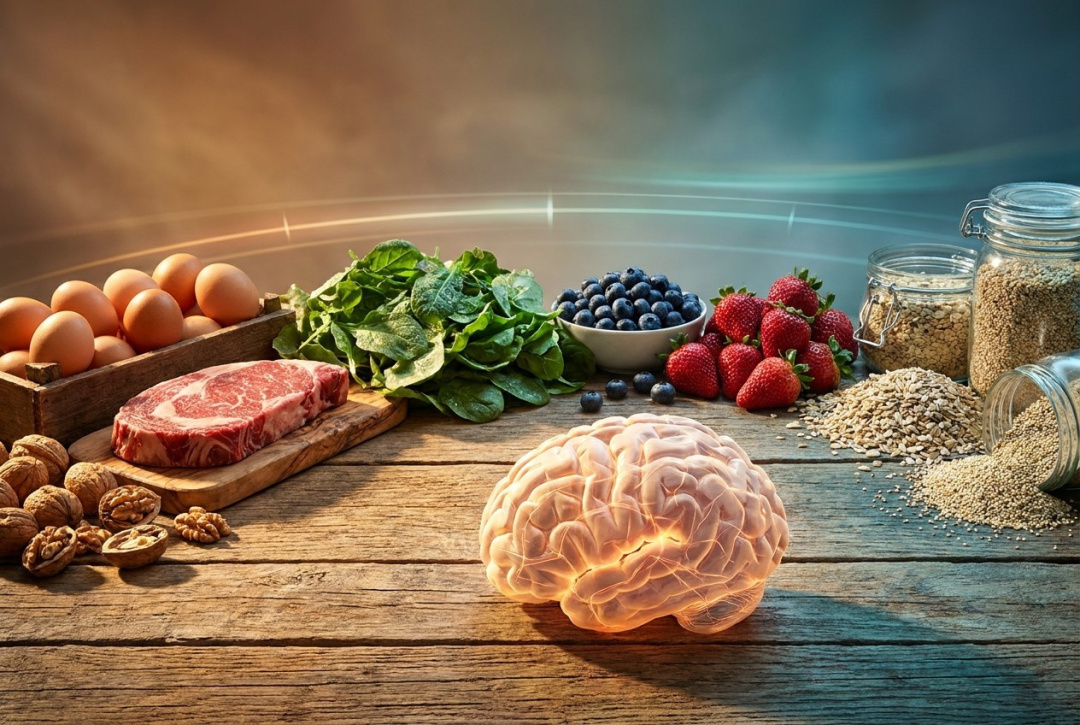
A narrative review published in the journal Nutrients has examined the connections between whole-food consumption and cognitive health across the human lifespan. Researchers screened the literature and identified 54 eligible papers, including eight broad conceptual papers and 46 food-specific empirical studies. One of the most notable findings from the review is that the foods with the strongest associations with brain health change throughout different life stages. For instance, during the first 1,000 days of life and early childhood, foods such as eggs, meat, and nuts are linked to improved brain development and reduced developmental delays.
The review concludes that the foods most beneficial for cognitive health do not remain constant as individuals age. Animal-sourced foods are particularly important during early development, while plant foods take on a more significant protective role in adulthood and older adulthood. The researchers conducted a structured literature search focused on whole foods rather than isolated nutrient supplements, considering both animal-sourced and plant-based foods for their unique biochemical contributions to brain function.
During the first 1,000 days and early childhood, the review highlights that eggs, meat, and nuts are associated with better brain development. For example, egg supplementation in infants has been shown to increase levels of choline, betaine, methionine, and DHA, with regular egg consumption linked to lower odds of communication, motor skills, and social development delays. However, the review also notes that the evidence for seafood and dairy in early life is mixed, with seafood benefits lacking strong evidence and dairy showing modest benefits when children have adequate overall nutrients.
Shifting Dietary Focus from Childhood to Adulthood
As children transition into adolescence and adulthood, the focus shifts to plant foods. The review indicates that higher whole grain intake is linked to reduced depression and anxiety, suggesting the importance of dietary choices in mental health. Among older adults, leafy greens, nuts, and berries are consistently associated with protective effects on brain health. A large meta-analysis found that consuming fish up to 150 grams per day is associated with a reduced risk of dementia and cognitive impairment.
Nutritional Strategies for Lifelong Brain Health
The review also discusses the role of nutrient bioavailability, stating that animal-sourced foods are crucial early in life because they provide all essential amino acids. A deficiency in any of these can hinder protein synthesis and brain development. As the brain matures, bioactive compounds found in plant foods, such as flavanols in berries and dark chocolate, become increasingly important for protection against cognitive decline.
The MIND diet, which combines elements of the Mediterranean and DASH eating patterns, is highlighted for its focus on foods associated with brain health. In summary, the review emphasizes the importance of specific foods at different life stages, with eggs standing out for their nutrient content in early life, while berries, walnuts, and vegetables gain relevance in childhood and adolescence. The findings underscore the need for tailored dietary recommendations to support cognitive health across the lifespan.