Z-DNA in Salmonella Biofilms Linked to Autoimmune Antibody Responses
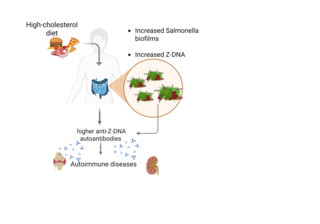
A recent study has shed light on the presence of Z-DNA, a left-handed conformation of DNA, in biofilms formed by Salmonella enterica serovar Typhimurium (STm). This research is particularly significant as Z-DNA has been linked to autoimmune responses, especially in conditions such as systemic lupus erythematosus (SLE). The study found that extracellular DNA (eDNA) within STm biofilms adopts both B-DNA and Z-DNA configurations, with the latter potentially playing a role in stimulating immune responses. The research team employed antibody-based staining techniques to observe that eDNA was abundant in both forms within the biofilms, which are known to be rich in curli, a protein that contributes to the biofilm's structural integrity. The presence of Z-DNA in these biofilms raises questions about its immunogenic potential, particularly since antibodies against Z-DNA are prevalent in patients with autoimmune diseases. Through experiments involving the administration of curli:DNA complexes to mice, the researchers demonstrated that these complexes could elicit strong anti-Z-DNA antibody responses. Furthermore, when mice were infected with STm, particularly under conditions that favor biofilm formation, there was an increase in Z-DNA levels and corresponding antibody production. These findings suggest a mechanistic link between bacterial infections, biofilm formation, and the development of autoimmune responses, highlighting the importance of understanding how such interactions may influence conditions like SLE. The study also emphasizes the role of diet in modulating biofilm formation, as dietary factors that promote biofilm development were associated with heightened immune responses. Overall, this research provides valuable insights into how bacterial biofilms may contribute to autoimmune conditions through the production of immunogenic Z-DNA, suggesting a need for further exploration into the implications of these findings for metabolic health and immune function.