Nine Fruits That May Help Lower Dementia Risk and Support Brain Health
Fruit can be a delicious and effective way to help reduce the risk of dementia, a condition that affects memory and cognitive function, particularly in older adults. According to Lisa Young, a registered dietitian and adjunct professor of nutrition at New York University, dietary choices significantly impact brain health as we age. "We often think about a healthy diet in terms of protecting the heart, but the brain can benefit too," she explains. The brain requires a consistent supply of nutrients, and the foods we consume can influence inflammation, oxidative stress, and blood vessel health, all of which are crucial for cognitive function.
Research suggests that specific dietary patterns, such as the Mediterranean diet, which emphasizes fruits, vegetables, whole grains, nuts, and fish, may be associated with a lower risk of dementia. Young notes that a study published in the Journal of Prevention of Alzheimer’s Disease found that individuals who consumed a high amount of flavonoid-rich fruits in midlife had a 44% reduced risk of developing dementia from any cause. Flavonoids, which are natural compounds found in many fruits, contribute to their vibrant colors and possess antioxidant and anti-inflammatory properties.
These compounds are beneficial for cognitive health as they help protect neurons from neurotoxins, reduce inflammation in brain tissue, and improve blood flow to the brain. Another study published in Neurology supports the idea that a diet rich in flavonoids correlates with lower odds of cognitive decline, indicating that higher flavonoid intake may help maintain cognitive function. Furthermore, those who consume ample amounts of flavonoid-rich foods, such as berries and apples, are less likely to develop Alzheimer's disease compared to those who eat fewer of these foods.
To support brain health and potentially reduce dementia risk, Young recommends incorporating a variety of colorful fruits into your diet. Here are nine fruits that are particularly beneficial:
Apples are a significant source of flavonoids in the U.S. diet. The skin of the apple contains many beneficial plant compounds, so it's best to eat them unpeeled. They are also known to help reduce heart disease risk.
Pears, juicy and sweet, are also high in fiber and contain flavonoids, especially in the peel. Eating pears with the skin on maximizes their health benefits.
Where the Details Change Direction
Citrus fruits, such as oranges and grapefruits, contain flavonoids that exhibit anti-aging properties. Hesperidin, a flavonoid found in oranges, has been linked to cognitive function and is most concentrated in the peel, making whole oranges or orange juice a good choice.
Berries, including blueberries and strawberries, are excellent for brain health. They are rich in flavonoids and can be enjoyed fresh or frozen, with frozen options retaining their nutritional value. Young recommends consuming at least 2 cups of berries per week for optimal benefits.
Peaches, with their antioxidant properties, can also contribute to brain health. Whether fresh or frozen, they provide beneficial compounds that may help decrease the risk of brain disorders.
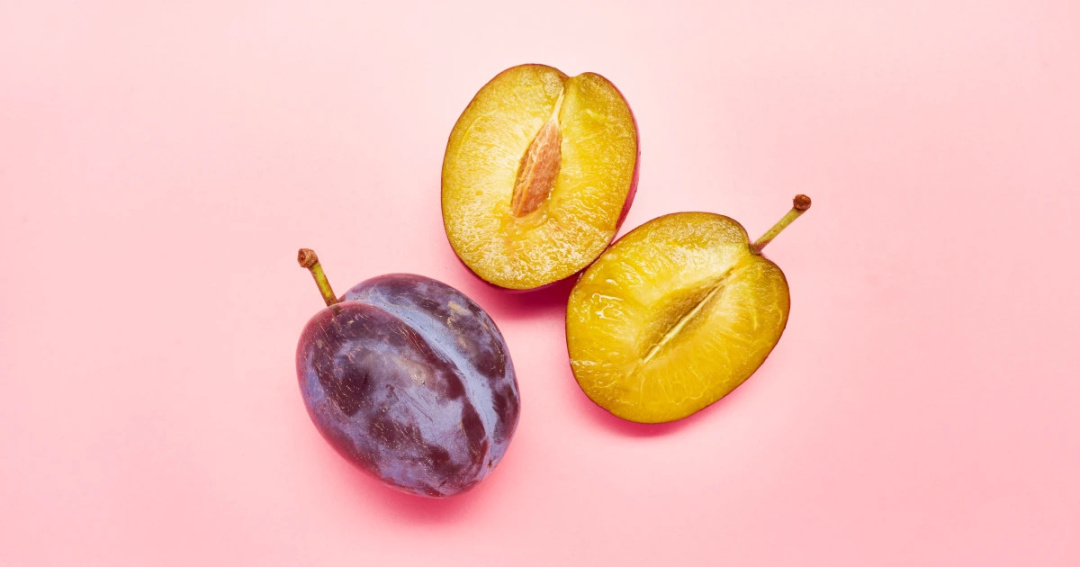
Plums, known for their deep purple or red skin, are rich in flavonoids and have been associated with improved cognitive function in studies. Dried plums, or prunes, also retain many of these benefits.
Embracing Colorful Fruits for Enhanced Cognitive Function
Red grapes are another fruit high in flavonoids, showing promising results for cognitive function enhancement. They also have cancer-reducing properties, making them a great addition to a health-conscious diet.
Incorporating these fruits into your daily meals can be a simple yet effective way to support brain health and reduce the risk of dementia as you age. By prioritizing a diet rich in colorful fruits, you can enjoy both the flavors and the health benefits they offer.