Key Strategies for Managing Diabetes: Early Detection and Lifestyle Changes
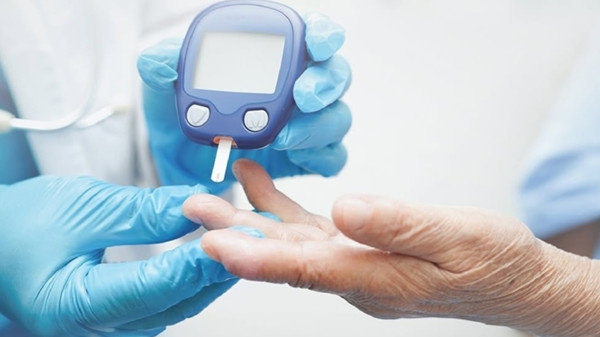
In the UAE, advances in diabetes treatment, screening programs, and medical technologies are enhancing efforts to prevent and manage diabetes. However, healthcare professionals assert that early detection, sustained lifestyle changes, and psychological support are crucial for mitigating the long-term effects of this chronic condition. On November 14, World Diabetes Day will spotlight the theme "Early Action on Diabetes," underscoring the necessity of prompt diagnosis and treatment to avert severe complications and improve quality of life.
Diabetes remains a significant healthcare challenge, with potential complications affecting various organs, including the heart, kidneys, eyes, nerves, and blood circulation. Dr. Niyas Khalid, a Specialist in Internal Medicine at Burjeel Hospital in Abu Dhabi, notes that while modern medicine provides increasingly effective treatment options, complications can become more challenging to manage as the disease progresses, particularly when multiple organs are involved. He emphasizes that preventing complications and identifying them early are central to effective diabetes care.
Dr. Khalid outlines three key priorities for the healthcare sector: identifying undiagnosed individuals, helping patients maintain treatment and lifestyle changes over the long term, and ensuring consistent access to necessary medications, monitoring technologies, and specialist care. Recent advancements in diabetes treatment have expanded options beyond merely controlling blood glucose levels. Medications such as GLP-1 receptor agonists and newer dual-action treatments, including tirzepatide, have emerged as valuable tools for managing Type 2 diabetes and excess weight. Additionally, SGLT2 inhibitors have proven beneficial for patients with heart failure or chronic kidney disease.
Technological innovations are also transforming diabetes management. Continuous glucose monitoring (CGM) systems provide real-time readings, enabling patients and healthcare providers to track glucose fluctuations throughout the day, including overnight changes and post-meal spikes. Dr. Khalid explains that these systems facilitate informed treatment adjustments, while alerts and remote monitoring empower patients to respond to abnormal glucose levels effectively. Artificial intelligence is being integrated into diabetes care, aiding in identifying high-risk individuals and assisting in the assessment of retinal images for diabetic eye disease, with AI-assisted retinal screening already implemented in UAE healthcare services.
The UAE's national prediabetes and diabetes screening campaign, along with Abu Dhabi's IFHAS program, presents significant opportunities to identify at-risk individuals and connect them with further assessment and treatment. However, Dr. Khalid stresses that screening must be accompanied by appropriate medical advice, treatment, and ongoing monitoring to effect meaningful change. Prevention is equally vital, especially for those diagnosed with prediabetes. Dr. Khalid advocates for losing and maintaining 5-7% of body weight, engaging in at least 150 minutes of moderate physical activity weekly, and adopting sustainable dietary habits to significantly lower the risk of developing Type 2 diabetes. He cites the landmark Diabetes Prevention Program, which demonstrated that intensive lifestyle interventions reduced the onset of Type 2 diabetes by 58% over approximately three years among high-risk participants.
Understanding the Emotional Impact of Diabetes Management
Beyond physical health, the emotional challenges of living with diabetes are increasingly recognized. Dr. Bino Mary Chacko, a Specialist Psychiatrist at Medeor Hospital in Abu Dhabi, highlights the considerable emotional burden diabetes can impose on patients due to the constant management of medications, glucose monitoring, and lifestyle changes. She notes that living with diabetes can be emotionally exhausting, requiring daily decision-making and attention. Patients may experience anxiety, frustration, fear of complications, guilt, or isolation, which can negatively impact their motivation, treatment adherence, and overall quality of life. Dr. Chacko emphasizes that diabetes distress, which is distinct from general stress and depression, is specifically tied to the demands of managing the condition, although it can coexist with other mental health issues.
Psychological support is essential in comprehensive diabetes care, with options including counseling, clinical psychology, cognitive behavioral therapy (CBT), and peer support groups. Dr. Chacko insists that psychological support should be regarded as equally important as physical treatment. She encourages families to provide understanding rather than judgment, avoiding blame for fluctuations in glucose levels and supporting healthy habits together.
Empowering Lives Through Diabetes Awareness and Support
For individuals diagnosed with diabetes, adapting to the condition often necessitates significant changes in daily routines. Ajith Nair, an Abu Dhabi resident diagnosed with diabetes during a routine health check-up, initially felt anxious about dietary restrictions and medication. He recalls feeling uncertain about his future but credits the UAE's healthcare system for providing access to specialists, regular check-ups, and modern glucose-monitoring tools that have simplified managing his condition. The support from doctors, family, and loved ones has been instrumental in helping him stay motivated and adhere to his treatment plan. Since his diagnosis, he has adopted healthier eating habits, exercised regularly, and become more attentive to his overall well-being.
Addressing those recently diagnosed, Nair shares that diabetes should not hinder a fulfilling life. He encourages individuals to stay informed, follow their treatment plans, and make gradual lifestyle changes, asserting that with the right support and a positive mindset, a healthy, fulfilling life is achievable. Dr. Khalid urges individuals at risk not to delay seeking medical advice until symptoms manifest, as Type 2 diabetes can develop without obvious warning signs. He particularly encourages those with a family history of diabetes, excess abdominal weight, high blood pressure, or a history of gestational diabetes to discuss screening with their healthcare providers. Appropriate tests, such as HbA1c and fasting blood glucose, can help identify diabetes or prediabetes, allowing for preventive measures or treatment initiation before complications arise. Dr. Khalid concludes that knowing one's results empowers both patients and healthcare providers to take proactive steps toward better health.