Study Links Body Shape Index to Physical Fitness in Tibetan Adolescents
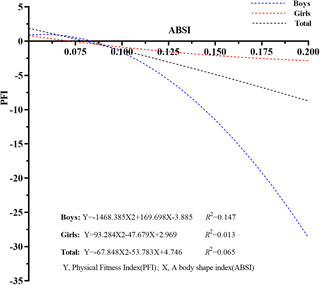
A study published in PLoS One has investigated the relationship between body shape index (ABSI) and physical fitness index (PFI) among Tibetan adolescents aged 13 to 18 years living in high-altitude regions of China. Conducted in Ganzi, Sichuan, the research involved a sample of 3,819 adolescents and aimed to provide insights into the physical fitness levels and health challenges faced by this population. The study is particularly relevant given the unique environmental conditions of high-altitude areas, which can affect health outcomes.
Using a stratified whole-group sampling method, the researchers assessed various physical fitness metrics, including grip strength, standing long jump, and endurance running. The results indicated that the average ABSI for the participants was 0.09, with no significant differences noted between boys and girls. However, the PFI scores revealed a notable disparity, with boys averaging -0.24 and girls -0.46, although these differences were not statistically significant.
The analysis showed that ABSI was negatively correlated with PFI, suggesting that as ABSI increases, physical fitness levels tend to decrease. This trend was more pronounced in boys, indicating that body shape may have a more significant impact on their physical fitness compared to girls. The study emphasizes the importance of addressing waist circumference and obesity among Tibetan adolescents to enhance their overall physical fitness.
The findings of this study are crucial for informing public health policies aimed at improving the physical fitness of Tibetan youth in high-altitude areas. The authors suggest that increased physical activity and awareness of body shape index could be beneficial in promoting better health outcomes in this demographic. The research underscores the need for culturally sensitive health interventions tailored to the unique challenges faced by adolescents in these regions.














