Study Examines Physician-Patient Dynamics in Type 1 Diabetes and Endurance Sports
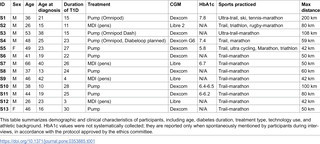
A recent qualitative study has delved into the intricate dynamics of the physician-patient relationship among individuals living with type 1 diabetes who engage in extreme endurance sports. This research, conducted through thirteen semi-structured interviews, highlights the challenges and negotiations that arise in managing diabetes within the context of demanding physical activities such as ultramarathons and trail running. The findings reveal a complex interplay between medical expertise and the experiential knowledge of patients, emphasizing the need for a more collaborative approach in clinical practice.
The study identifies a phenomenon termed 'glycemic meritocracy,' where the legitimacy and autonomy of patients are often contingent upon their ability to adhere to biomedical norms and maintain acceptable glycemic control. Participants expressed a sense of disconnect between their specific needs and the medical advice provided, which they often found to be generic and insufficiently tailored to the complexities of their endurance activities. As one participant noted, "Diabetologists don’t have that kind of information because they lack the feedback. It’s a personal construction."
The research also highlights the restrictive attitudes some healthcare professionals hold towards endurance sports, which can lead to moral tensions for patients. Many described feeling that their capabilities were underestimated, leading them to either distance themselves from medical advice or to adopt unconventional strategies that diverged from standard recommendations. For instance, some participants reported using alternative dietary approaches or insulin management techniques that were met with skepticism from their healthcare providers.
The study's authors argue that a more nuanced understanding of the patient experience is essential for effective diabetes management, particularly in extreme sports contexts. They advocate for integrating experiential knowledge into clinical practice, moving beyond performance-based evaluations of care. This approach recognizes the importance of patient autonomy and the value of lived experience in shaping effective diabetes management strategies.
Overall, this research underscores the need for healthcare professionals to engage more deeply with the unique challenges faced by patients with type 1 diabetes in extreme endurance sports. By fostering a collaborative relationship that values patient expertise, healthcare providers can better support individuals in navigating the complexities of their condition while pursuing their athletic goals.