New York City's City-Run Grocery Stores: A New Approach to Food Access
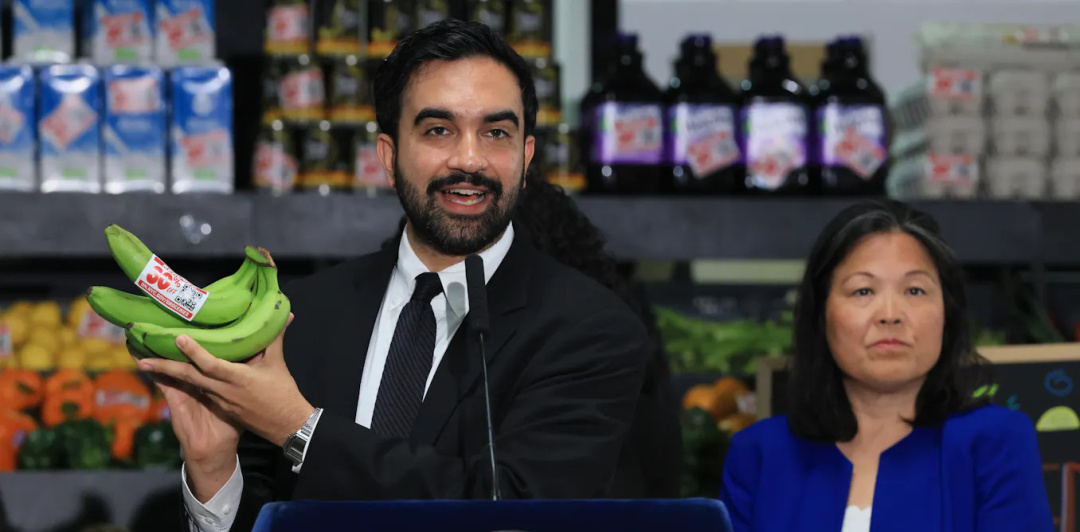
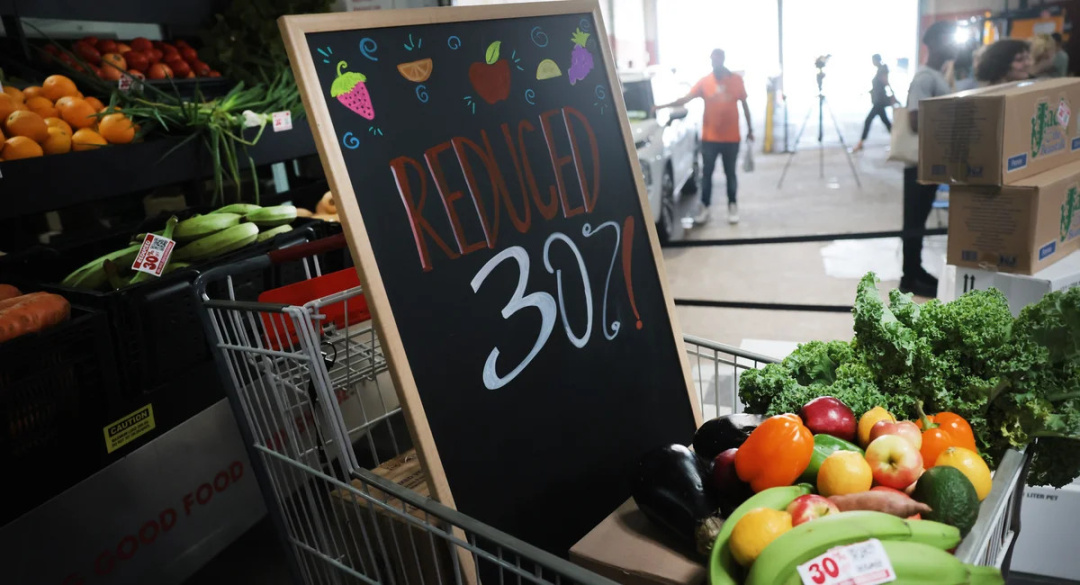
New York City is set to launch an initiative to combat food inflation by opening five city-run grocery stores, with the first location planned for the Hunts Point neighborhood of the South Bronx in 2027, followed by another in East Harlem. This move, announced by Mayor Zohran Mamdani, aims to provide essential items at prices 30% below typical retail costs. While five stores in a city of nearly 8 million residents are unlikely to significantly alter grocery prices, they could make a meaningful difference for local shoppers in lower-income neighborhoods.
The initiative has sparked fierce opposition from independent grocers, supermarket trade associations, and immigrant-owned food businesses. Critics argue that the presence of city-run stores could undermine local businesses already operating on thin margins. However, this opposition may stem from deeper concerns about the precedent set by government involvement in grocery retail. Traditionally, there has been an expectation that the government should leave the provision of consumer goods to private enterprises, even as it encourages business investments and regulates their activities.
Historically, New York's food economy has not functioned independently of government influence. Public policies and investments have long shaped the landscape of where supermarkets operate and how residents access food. The proposed grocery stores could serve as a visible reminder of the government's role in providing essential services and may shift public perception regarding what the government can and should provide.
Exploring the City's Investment in Grocery Accessibility
The city has committed $70 million to develop these stores, which will be managed by private operators but will benefit from rent-free space and a focus on publicly owned sites. This model offers a “public option” for groceries, similar to public schools and hospitals, allowing New Yorkers to compare city-run stores with private retailers. If successful, these stores could redefine expectations around food affordability and government accountability in providing essential services.
Evaluating the Future of Municipal Grocery Stores in NYC
Critics' concerns about the impact on independent grocery stores are valid, as many of these establishments are vital to their communities. However, historical examples, such as the Pathmark supermarket in East Harlem, show that new supermarkets can coexist with smaller retailers. Between 2000 and 2015, the number of small grocery stores in the area increased even as larger supermarkets were introduced.
Ultimately, the success of the municipal grocery stores will depend on their ability to deliver reliable savings and excellent service. The initiative challenges the notion that affordable food is solely a product of market competition, making government involvement in food access more visible and accountable. If these stores succeed, they could reshape public expectations about the role of government in ensuring food affordability and access for all New Yorkers.