Top Plant-Based Proteins for Fiber Intake, According to a Dietitian
Your body requires a certain amount of protein daily to function properly, but it is equally important to ensure adequate fiber intake to support gut and heart health. Opting for foods that provide both nutrients can be beneficial. According to Natalie Rizzo, a registered dietitian and TODAY nutrition editor, the primary advantage of plant-based proteins is their fiber content. Research indicates that sufficient fiber intake is essential for good digestive and cardiovascular health, and it also helps maintain satiety between meals. Unlike animal proteins, plant-based options contain fiber, making them excellent choices for those looking to increase their fiber consumption.
Rizzo identifies several high-fiber plant proteins that can help meet both protein and fiber goals. Beans are among her top recommendations, with most varieties offering at least 5 grams of fiber per half-cup serving. Notably, navy beans stand out as the highest in fiber, providing over 7 grams of protein and approximately 9.5 grams of fiber in a single serving. This combination of plant protein and fiber makes beans a particularly healthy option for heart health, as the soluble fiber they contain can aid in lowering LDL cholesterol levels.
For those seeking beans with a bit more protein, black beans and kidney beans are excellent alternatives, each containing around 8 grams of protein and 7 to 8 grams of fiber per half-cup serving. Lentils also make the list, offering 9 grams of protein and about 8 grams of fiber in a half-cup serving, ranking just below navy beans. Rizzo appreciates lentils for their low saturated fat content and quick cooking time, making them a versatile ingredient that can easily replace meat in various recipes. Adding lentils to burgers, for instance, can enhance their nutritional profile with both plant protein and fiber.
Another powerhouse in the fiber department is chia seeds. Despite their small size, they are among the highest-fiber seeds available, providing 10 grams of fiber and about 5 grams of protein in a 2-tablespoon serving. While they can be incorporated into baked goods or sprinkled on yogurt and smoothies, consuming a full serving can be challenging. One effective way to enjoy chia seeds is by preparing overnight chia pudding, which registered dietitian Grace Derocha recommends as a delicious breakfast option that helps achieve both protein and fiber goals.
Incorporating High-Fiber Plant Proteins
Incorporating these high-fiber plant proteins into your diet can enhance your overall nutritional intake. By focusing on foods like navy beans, lentils, and chia seeds, you can enjoy the dual benefits of increased protein and fiber, which are crucial for maintaining good health. These foods not only support digestion and heart health but also help keep you feeling full and satisfied throughout the day, making them valuable additions to any meal plan. As you explore ways to integrate these ingredients into your meals, consider experimenting with different recipes to find what works best for you.
Practical Tips for Meal Preparation
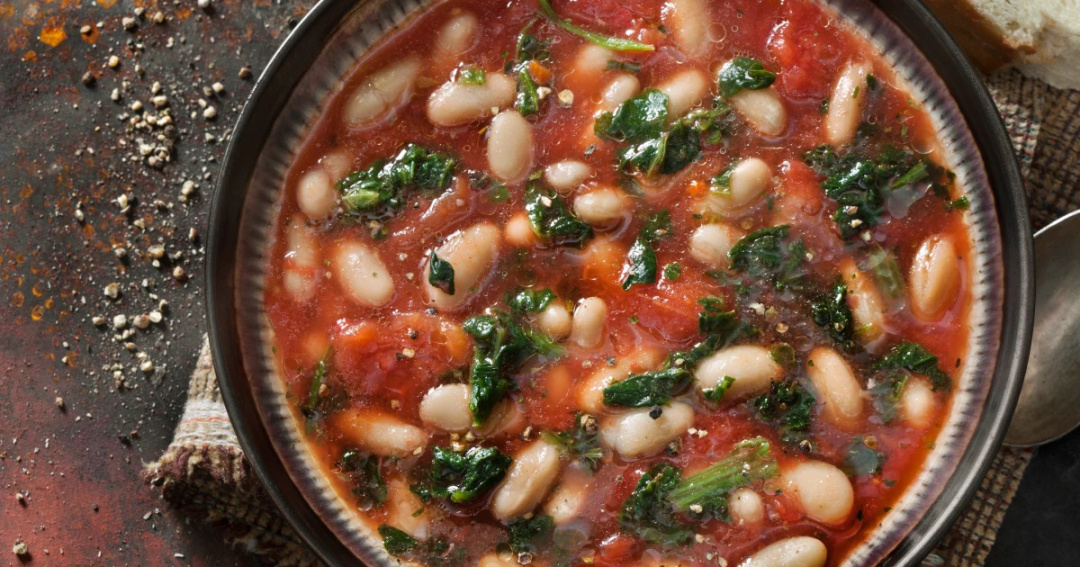
When preparing meals, think about how you can include these high-fiber plant proteins. For instance, you might try adding navy beans to soups or salads, incorporating lentils into stews or casseroles, or using chia seeds in smoothies or puddings. By making these small adjustments, you can significantly boost your fiber intake while enjoying delicious and nutritious meals. Remember that a balanced diet rich in fiber and protein is key to supporting your overall health and well-being.