AI Technology Could Lower Grocery Prices by Reducing Shipping Costs
AI is making waves in the consumer packaged goods industry, and its influence could extend to your grocery bills. If you've noticed rising prices for your favorite products at the store or increased delivery fees for online orders, you're not alone. These price hikes can often be traced back to inefficiencies in the supply chain, particularly the time delivery trucks spend waiting at distribution centers. Trucks idling while waiting to check in can waste fuel, contributing to higher operational costs for transportation companies, which are then passed on to consumers.
Currently, the national average price of diesel fuel is around $6.13 per gallon, a significant expense for businesses that rely on trucking to move products across the country. However, a company named EAIGLE is working to change that. Their AI-powered camera technology has the potential to reduce truck check-in times at distribution centers from approximately 10 minutes to under 30 seconds. This reduction could lead to substantial savings for trucking companies, which might, in turn, help alleviate some of the cost pressures that contribute to rising grocery prices.
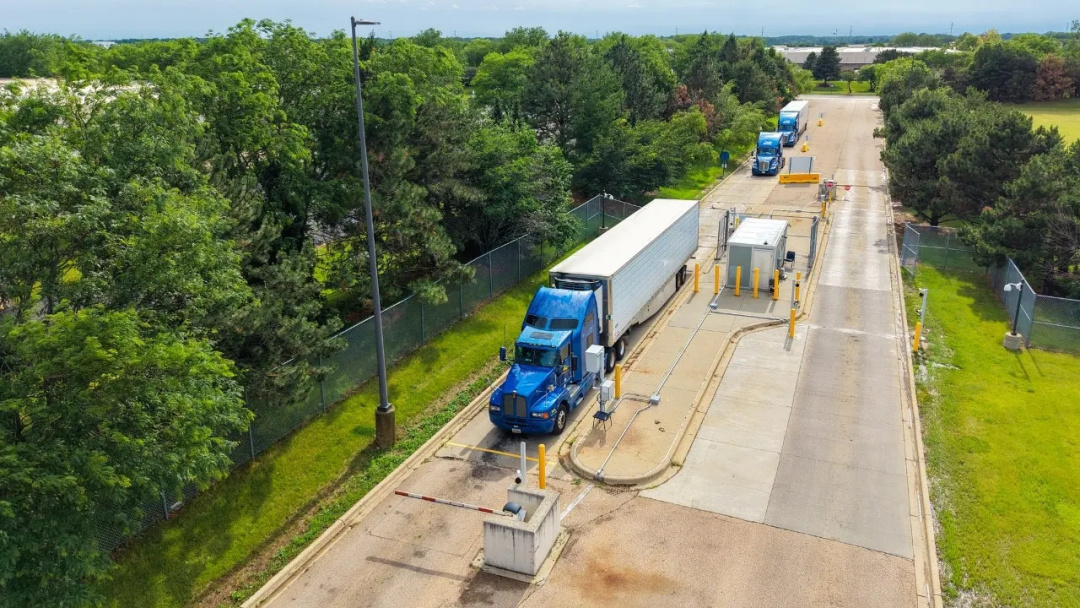
The process of checking in trucks at distribution centers is often manual, requiring security personnel to verify shipping documents and ensure that the correct truck has arrived for the right load. During peak times, this can create long lines, leading to wasted fuel and increased costs. EAIGLE's Automated Vehicle Access Control (AVAC) system uses AI and existing security cameras to streamline this process. The technology can capture over 25 data points from a truck in less than 30 seconds, including license plate numbers and other identifying details. If everything checks out, the automated gate allows the truck to proceed without delay.
While saving a few minutes per truck may not seem significant, consider the scale of operations at major distribution centers that handle hundreds of trucks daily. Reducing delays can lead to less fuel consumption and lower operating costs, which could ultimately benefit consumers. If transportation companies can reduce their expenses, they may have more flexibility to keep grocery prices stable, even when other costs rise.
However, it's important to note that there is currently no direct evidence that EAIGLE's technology has resulted in lower grocery prices or delivery fees for consumers. Transportation costs are just one part of the overall economics of getting products onto store shelves. If a grocery chain can lower its shipping expenses, it might be able to absorb some costs rather than passing them on to consumers. This could also apply to online shopping, where shipping companies often include fuel surcharges in their rates.
Enhancing Supply Chain Efficiency with AI Technology
In addition to potentially lowering costs, faster truck check-ins could improve the efficiency of the entire supply chain. If trucks spend less time waiting at gates, distribution centers may be able to process incoming shipments more effectively, which could help keep store shelves stocked. However, faster check-ins alone won't guarantee that products will be available, as trucks can still face traffic delays and other logistical challenges.
EAIGLE estimates that facilities using its technology could save around $726,000 annually through improved gate operations. Additionally, the company claims that a facility processing about 200 trucks daily could eliminate approximately 110,000 pounds of carbon dioxide emissions each year by reducing unnecessary idling. These figures are based on company estimates, and actual results may vary depending on the specific operations of each facility.
Cargo theft is another issue that can impact the supply chain. EAIGLE's system can help mitigate this risk by flagging suspicious pickups based on discrepancies in truck information and shipping records. According to a June 2026 FBI warning, cargo theft losses in the U.S. and Canada reached nearly $725 million in 2025. By reducing theft and fraud, retailers could avoid significant losses, further stabilizing prices for consumers.
The Future of Grocery Pricing and AI Innovations
Currently, EAIGLE's technology is being implemented in major North American distribution facilities, including those associated with Walmart. Loblaw Companies Limited, one of Canada's largest grocery retailers, is also expanding its use of EAIGLE's technology across multiple distribution centers, citing improvements in processing times and data accuracy.
As AI continues to evolve, its applications in logistics and supply chain management are worth monitoring. If companies can operate more efficiently and reduce transportation costs, there may be a ripple effect that benefits consumers by helping to keep grocery prices in check. With the potential for significant savings and improved product availability, the impact of AI on the grocery industry could be profound. Understanding how these technologies can streamline operations is crucial, as it could lead to more stable prices for everyday consumers.