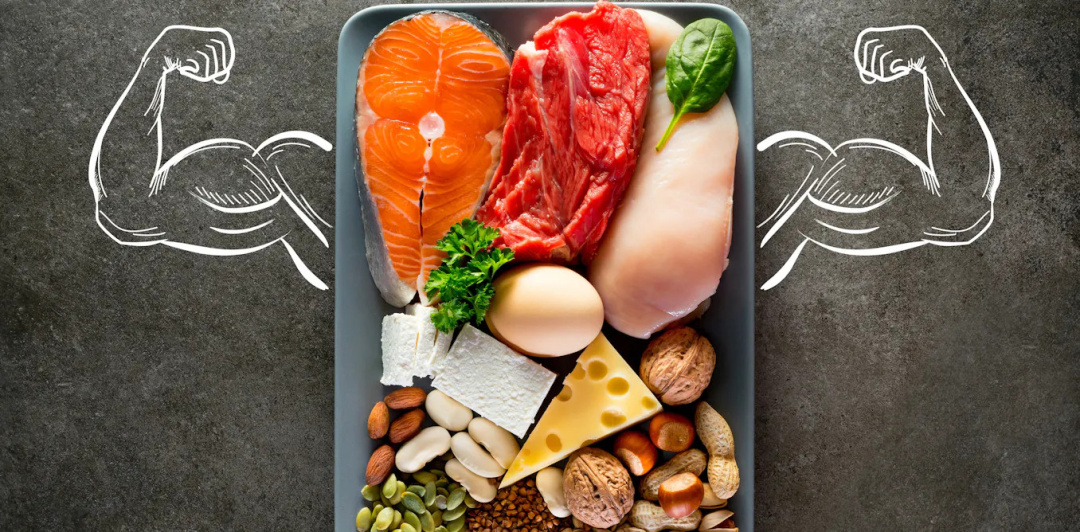
How Protein Intake Can Support Muscle Health for GLP-1 Users

Individuals taking GLP-1 medications, such as semaglutide or tirzepatide, often experience reduced appetite and smaller meal portions, which can complicate meeting their protein needs. This is significant because, during weight loss, maintaining muscle mass is crucial. A recent review investigated whether increasing protein intake could help mitigate muscle loss in those using these medications.
The review synthesized existing evidence on how GLP-1s influence body composition and the role of protein in muscle preservation during weight loss. While no clinical trials have directly assessed this question, the findings suggest that approximately 25% of the weight lost by individuals on GLP-1s may come from lean mass, with the remaining 75% from fat. Similar results were noted in studies involving tirzepatide.
Although some loss of lean mass is typical during significant weight loss, it does not necessarily correlate with a decrease in strength. Interestingly, real-world data indicates that grip strength can improve in individuals taking GLP-1 medications, even if their lean mass decreases initially. Additionally, muscle quality, which refers to how effectively muscles function, often shows improvement.
How Studies Changes the Balance
The review also examined 16 studies focused on protein intake during weight loss without the influence of GLP-1 medications. It was found that higher protein consumption helped preserve lean mass in less than half of the studies reviewed. Commonly studied protein intakes ranged from 0.5 to 0.7 grams per pound of body weight. A broader analysis of 24 studies indicated that higher-protein diets modestly reduced lean mass loss compared to standard protein intakes.
Navigating Protein Needs for GLP-1 Users
However, a crucial limitation is that none of these studies involved participants taking GLP-1 medications, leaving uncertainty about whether the same benefits apply in that context. Given the appetite suppression and digestive side effects associated with GLP-1s, individuals may struggle to consume adequate protein during treatment. Research indicates that many people using GLP-1 or combination medications do not meet their recommended protein targets. Two clinical trials are currently underway to explore the role of protein in the context of GLP-1 treatment.
Until more definitive results are available, the authors of the review recommend focusing on muscle strength and function rather than solely on changes in body composition. To support muscle health during weight loss, individuals can consider two strategies: first, consult with healthcare professionals or registered dietitians to determine personal protein needs, especially if there are underlying health conditions such as kidney disease that may affect protein intake. Second, view muscle preservation as an essential goal throughout the weight-loss journey, rather than a secondary concern. Incorporating sufficient protein and engaging in strength training can help achieve this objective, even as researchers continue to investigate the specifics for GLP-1 users.