California's Agricultural Water Use: A Deep Dive into Groundwater Depletion
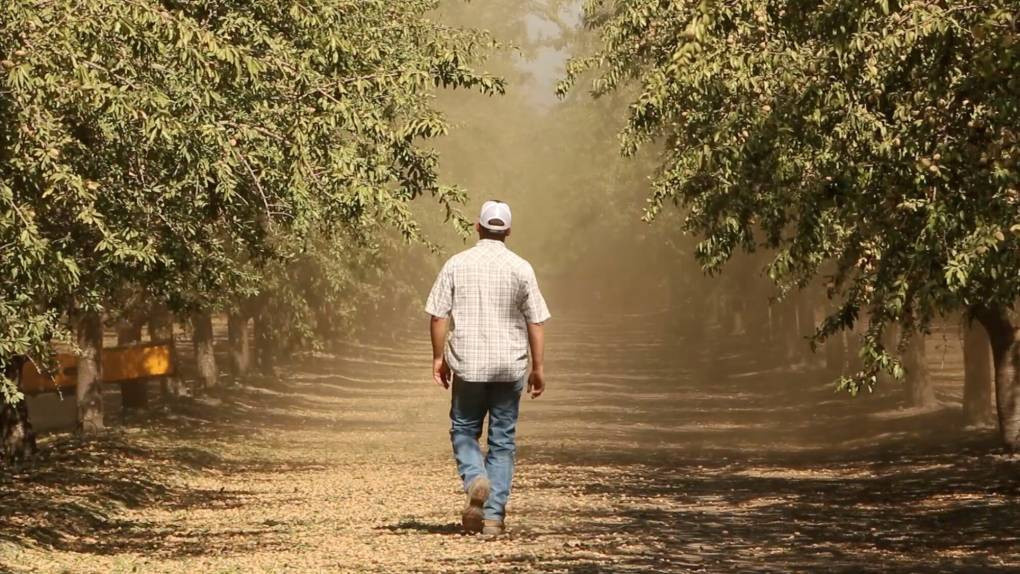
New research published recently sheds light on the concerning depletion of California's underground water reserves, particularly in the context of agricultural practices. This study, described as the first to provide a crop-by-crop and county-by-county estimate of groundwater withdrawals, reveals that between 2008 and 2020, a significant portion of groundwater depletion—about half—was attributed to just three crops: almonds, grapes, and walnuts. Alarmingly, over a quarter of all nonrenewable groundwater pumping was directed solely towards almond cultivation. The majority of groundwater utilized for specialty crops, which include fruits, nuts, seeds, and vegetables, is drawn from sources that will not be replenished, highlighting a critical sustainability issue.
In a sustainable framework, groundwater can be likened to a bank account, meant to be drawn upon during periods of scarcity while receiving deposits during times of abundance. However, the findings from the study published in the journal Water Resources Research suggest that the current practices are akin to overspending, particularly on crops such as almonds, walnuts, pistachios, and various vegetables. Lead author Jackie Hanley, a Ph.D. student at the University of Illinois at Urbana-Champaign, emphasized the urgency of changing these habits. "We are just spending and spending," she noted, pointing out that while this approach may provide short-term solutions to water shortages, it is not sustainable in the long run.
The researchers advocate for policy-driven solutions rather than relying on individual consumer choices to address this pressing issue. California is a major producer of the nation’s fruits, vegetables, and nuts, supplying approximately 50% of these products nationwide. The Central Valley, particularly counties like Tulare, Fresno, Kings, and Kern, is identified as a hotspot for unsustainable groundwater use, with nearly all groundwater pumping in the southern Central Valley deemed unsustainable.
Hanley and her co-author, Professor Megan Konar, believe that the specificity of their findings can aid policymakers in developing targeted solutions for particular regions. They do not recommend that consumers shift their diets towards less water-intensive crops, as they argue that the responsibility for sustainable practices should lie with policymakers. "This can be a hot-button issue, and it can be easy to point fingers," Hanley remarked. "But what this study really points to is that nothing exists in a vacuum."
The interplay of economic, environmental, social, and legal factors influences where and how crops are grown. The study utilized satellite-based maps and data from the U.S. Department of Agriculture and the U.S. Geological Survey to arrive at its conclusions. California's reliance on groundwater has been a recognized problem, especially highlighted during the severe drought from 2012 to 2016, which prompted growers to drill deeper wells. This practice has led to significant land subsidence, with some areas sinking by as much as 11 feet due to excessive groundwater extraction.
Groundwater as a Temporary Solution for California's Agriculture
In the short term, groundwater serves as a crucial resource, akin to a credit card that allows farmers to sustain their crops and maintain agricultural jobs. However, just as with an overused credit card, the long-term consequences could lead to the depletion of this vital resource. Hanley noted that some producers are already adjusting their planting strategies in response to these challenges, suggesting a potential shift in California's status as a hub for specialty crops.
The Sustainable Groundwater Management Act, signed into law in 2014, aims to ensure that groundwater withdrawals are sustainable moving forward, though full enforcement is not expected until 2040. This legislation has prompted various water management agencies to evaluate their available water resources and reconsider their current practices.
Urgent Need for Sustainable Water Practices in California's Agriculture
Professor Paul Ullrich from UC Davis, who was not involved in the research, praised the study for its detailed breakdown of groundwater use. He highlighted the importance of understanding where the greatest threats to agriculture lie in the Central Valley and the need for proactive measures to ensure water availability. Ullrich noted that while wet winters could potentially recharge groundwater supplies, this process is not guaranteed and depends heavily on the nature of precipitation.
In summary, California's agricultural practices are at a crossroads, with the need for sustainable water management becoming increasingly critical. The findings of this study serve as a call to action for policymakers and agricultural stakeholders to rethink their strategies and ensure the longevity of California's vital agricultural resources.