Understanding the 'Food is Medicine' Movement and Its Impact on Health
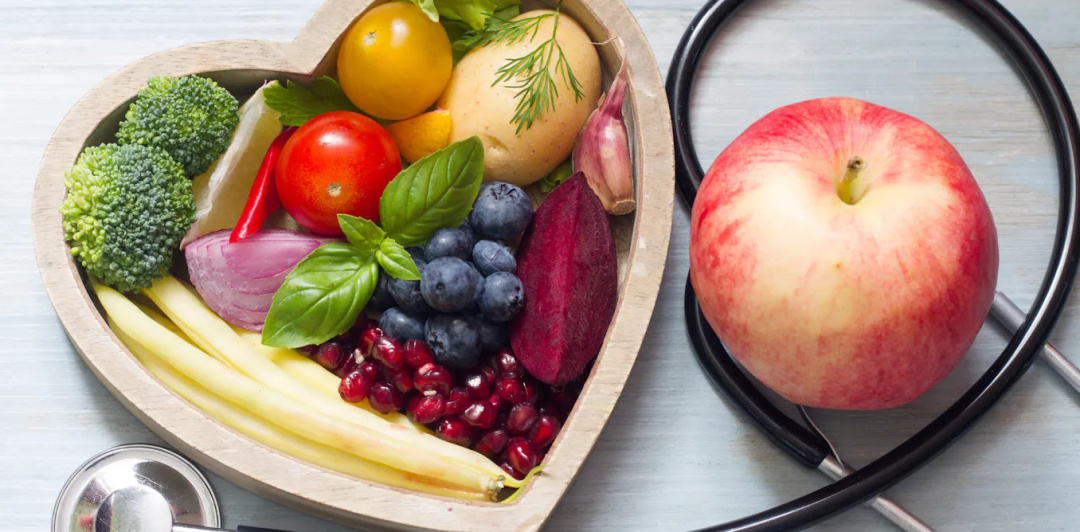
The 'food is medicine' movement has gained traction as scientific evidence increasingly supports the significant impact of dietary choices on health. Research indicates that a balanced diet can play a crucial role in managing chronic health issues such as Type 2 diabetes, heart disease, and hypertension. This approach advocates for the prescription of healthy foods—such as fruits, vegetables, and lean proteins—by healthcare providers to help patients prevent or manage specific health conditions.
The concept of food as medicine is not new; it has roots dating back over six decades. One of the pioneers of this approach was Dr. Jack Geiger, a civil rights activist who co-founded community health centers in the 1960s. He famously argued that food is a fundamental therapy for malnutrition, a perspective that has gained renewed attention in recent years.
Food is medicine programs often involve collaborations between healthcare providers, nonprofit organizations, and community groups. These initiatives typically provide curated food boxes, grocery vouchers, or medically tailored meals to patients, particularly those facing food insecurity. In 2024, it was reported that over 47 million Americans lived in food-insecure households, underscoring the need for such programs. By focusing on delivering healthy food options, these programs aim to improve patient health outcomes while also reducing healthcare costs.
Recent efforts have sought to expand the reach and effectiveness of food is medicine initiatives. For instance, in 2023, the American Heart Association convened a group of experts to evaluate current research in this area and propose future directions. Their findings suggest that food is medicine programs could potentially save the U.S. healthcare system an estimated $4.3 trillion annually by preventing or managing chronic diseases.
Addressing the Challenges of Food as Medicine Initiatives
Despite the promising nature of food is medicine, challenges remain. Many programs have been limited by funding constraints, which can restrict the quantity and quality of food provided. Additionally, while some studies have shown positive outcomes, the overall evidence on long-term health benefits is still inconsistent. Researchers emphasize the need for larger, more rigorous studies to better understand the impact of these interventions.
The Global Expansion of the Food is Medicine Movement
The movement has also gained international recognition, with initiatives like the Food Is Medicine Global Alliance, which seeks to integrate and finance food is medicine programs globally by 2030. These programs often source food from local farms, fostering community connections and supporting local economies.
As the food is medicine movement continues to evolve, it holds the potential to reshape how healthcare practitioners view nutrition in the treatment of chronic illnesses. By recognizing access to healthy food as essential as medication, there is hope for a more holistic approach to healthcare that prioritizes dietary interventions alongside traditional medical treatments.