Understanding the Risks of Stopping GLP-1 Medications for Weight Management
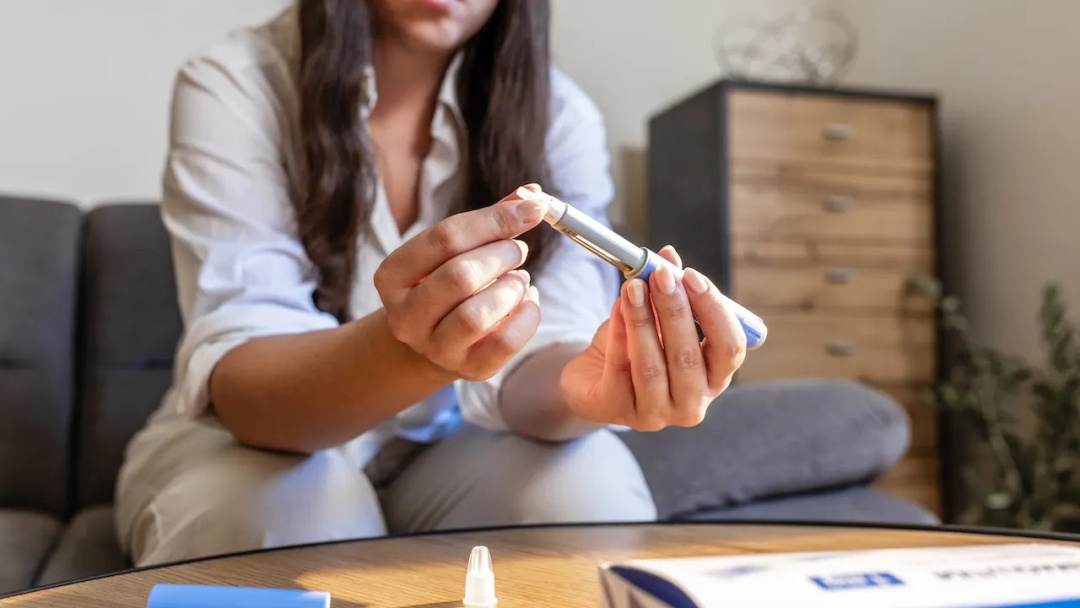
Dr. Frank Dumont, an internal medicine physician, highlights the risks patients face when discontinuing GLP-1 medications such as Ozempic, Wegovy, and Zepbound, which are commonly used for weight management and diabetes control. Although these medications have proven effective, research indicates that many users stop taking them within a year, often leading to several rebound effects that can impact health and well-being.
One of the most immediate consequences of stopping GLP-1 medications is the return of intense cravings and increased appetite, often termed "food noise." Dumont notes that many patients mistakenly believe they can use these medications as a short-term solution to reach a weight or blood sugar target, only to stop once they achieve their goals. However, obesity is classified as a chronic condition by major medical organizations, including the American Medical Association, which suggests that ongoing management is crucial.
Research shows that weight regain is common after discontinuation. For instance, participants in the STEP 1 trial extension regained approximately two-thirds of the weight they had lost within a year of stopping semaglutide, even with lifestyle interventions. Similarly, in the SURMOUNT-4 trial for tirzepatide, patients who were switched to a placebo after 36 weeks of treatment regained over half of the weight they had lost, despite receiving diet and exercise counseling.
The discontinuation of GLP-1 medications can also lead to the deterioration of biomarkers, such as blood sugar and cholesterol levels, which tend to improve while on the medication. If patients revert to their previous eating habits after stopping the medication, these health markers may worsen, increasing the risk of serious health issues like cardiovascular events. Dumont emphasizes that the metabolic benefits gained from GLP-1 medications are contingent upon sustained lifestyle changes.
Where Loss Meets Muscle
Moreover, patients may experience a loss of muscle mass along with fat loss while on these medications, raising concerns about body composition and long-term physical health. Studies indicate that about 25% of the weight lost during treatment can be lean mass, which is critical for metabolism and overall function. As patients regain weight, they may not fully recover the muscle lost during treatment, leading to a cycle of losing fat and muscle, then regaining fat when off the medication.
In addition to physical health risks, there are significant mental health implications associated with stopping GLP-1 medications. Many individuals who have struggled with weight management may view these medications as their last hope. The experience of regressing in their health journey can be disheartening and may lead to feelings of loss of control and frustration.
Navigating the Transition Away from GLP-1 Medications
Dumont advises that those considering stopping their GLP-1 treatment should work closely with their healthcare provider to develop a comprehensive plan that includes sustainable dietary changes and ongoing monitoring of weight and blood sugar levels. He stresses the importance of adopting a long-term approach to eating that supports health goals beyond medication use.
Overall, while GLP-1 medications can be beneficial for weight management and metabolic health, discontinuing them without a proper plan can lead to a range of negative health outcomes. Patients are encouraged to seek guidance from their healthcare providers to navigate these challenges effectively.