Probiotic Strain PA53 Shows Promise for Enhancing Mood and Sleep in Older Adults

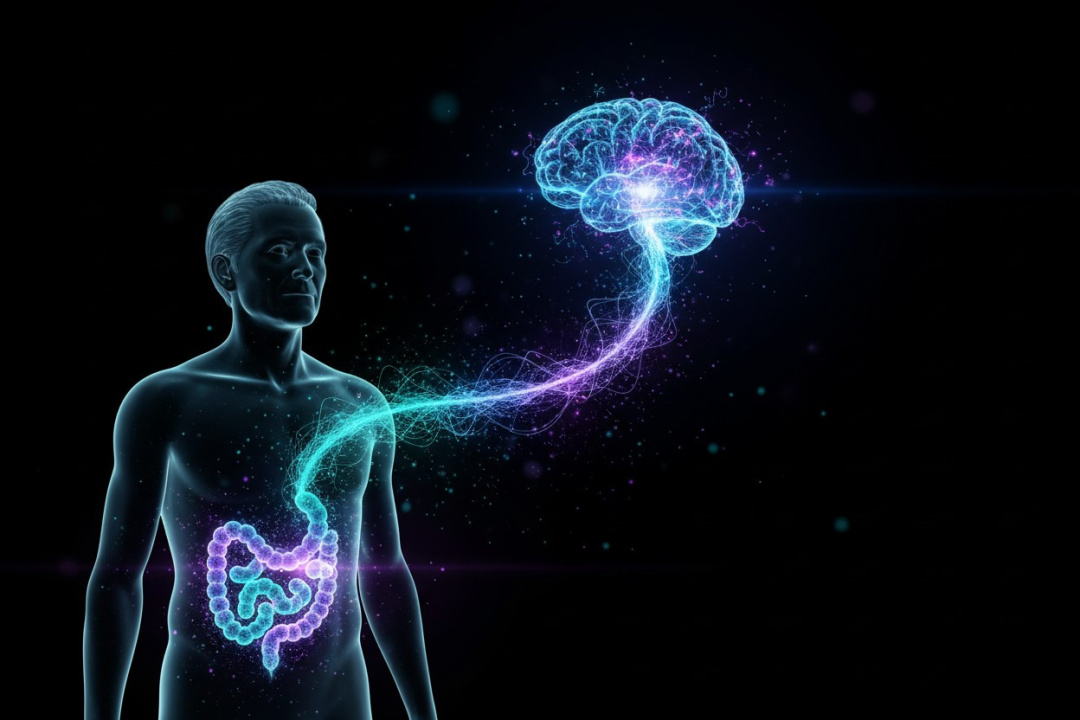
Research has increasingly shown the connection between gut health and brain health, often referred to as the gut-brain axis. A diverse and healthy microbiome is linked to better mental health, while dysbiosis, or an imbalance of gut bacteria, can negatively affect mood. A recent clinical trial focused on a specific probiotic strain, Pediococcus acidilactici PA53, to determine its effects on emotional well-being in older adults. This strain was chosen for its ability to survive stomach acid and effectively colonize the gut, which is particularly beneficial for aging populations where microbial diversity tends to decline.
In this study, seventy-five healthy adults aged between 55 and 70 were randomly assigned to either a probiotic group, receiving a daily dose of 30 billion CFU of PA53, or a placebo group for a duration of eight weeks. Researchers assessed gut bacteria composition, blood inflammatory markers, and validated scales for happiness, sleep quality, gastrointestinal symptoms, and stress at both the beginning and end of the study.
Participants who received the PA53 probiotic reported a notable improvement in their mood, with a 12.7% increase on a validated happiness scale. Additionally, sleep quality improved by 23%, as participants found it easier to fall asleep and experienced more restful sleep. Digestive comfort also showed improvement, with gastrointestinal symptom scores decreasing by nearly 10%, and stool consistency moving towards a healthier range.
While stress scores trended downwards in the probiotic group, this change was not statistically significant on its own, although the group did perform better than the placebo group in this area. On the inflammation front, two markers associated with chronic low-grade inflammation, IL-6 and TNF-α, showed significant reductions, while IL-25, a cytokine that helps regulate immune balance, increased. The study also noted a meaningful increase in several beneficial gut bacteria, including those linked to gut barrier health and anti-inflammatory activity.
Exploring the Gut-Brain Connection in Mood and Sleep Enhancement
The improvements in mood and sleep closely aligned with the observed changes in the microbiome and inflammatory markers, suggesting that the gut-brain connection may be the underlying mechanism at play. The PA53 strain appears to strengthen the intestinal lining by supporting tight junction proteins, which help prevent inflammatory compounds from leaking into the bloodstream. Furthermore, this strain produces short-chain fatty acids and converts tryptophan into compounds that can cross the blood-brain barrier, potentially reducing neuroinflammation.
The authors of the study emphasize that these findings are preliminary and that further research is necessary to confirm the long-term effects of PA53 on mood and sleep.
The Broader Implications of Probiotics for Emotional Health
While PA53 is not yet widely available as a standalone supplement, these findings provide valuable insights into the potential benefits of probiotics. As always, it is advisable to consult a healthcare provider before starting any new supplement regimen, especially for older adults.
The implications of this research highlight that probiotics may have effects that extend beyond gut health, potentially enhancing mood and supporting better sleep. These findings contribute to the growing body of evidence suggesting that targeting the gut microbiome could play a role in promoting emotional well-being as we age.