Dietary Habits Associated with Crohn's Disease: A Study's Findings
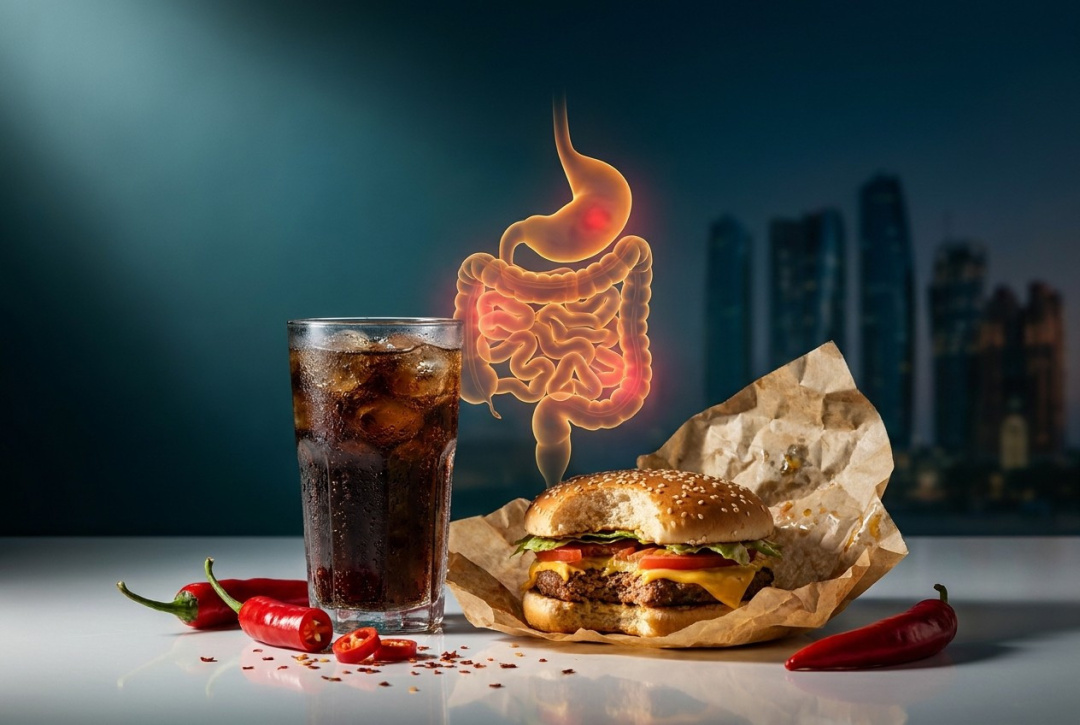
A recent study conducted in Riyadh, Saudi Arabia, examined the dietary habits of 219 adults diagnosed with Crohn's disease compared to 395 adults without the condition. The researchers aimed to identify eating patterns associated with Crohn's disease, a chronic inflammatory condition affecting the digestive tract. Participants reported their consumption of various foods, including fast food, carbonated soft drinks, spicy dishes, and fruit. The findings indicated that individuals with Crohn's disease were more likely to frequently consume fast food, drink carbonated beverages, and eat spicy foods compared to those without the condition.
Interestingly, the study also found that participants with Crohn's disease reported eating fruit more often, which complicates the typical narrative of good versus bad foods. While fruit is generally considered healthy, its increased consumption among those with Crohn's suggests that dietary habits can be nuanced and influenced by individual health conditions. The researchers noted that those who consumed less fast food, fewer carbonated drinks, and spicy foods had lower odds of being diagnosed with Crohn's disease, regardless of their fruit intake. This highlights the importance of examining overall dietary patterns rather than isolating specific foods.
The research adds to a growing body of literature exploring the relationship between diet and inflammatory bowel diseases. The Crohn's & Colitis Foundation has long emphasized the role of diet in managing symptoms and maintaining remission for individuals with Crohn's disease. However, identifying trigger foods can be challenging, as dietary choices may be influenced by the symptoms of the disease itself. For instance, some participants may have altered their diets in response to early symptoms, which could explain the higher fruit consumption observed in the study.
Navigating Dietary Choices for Crohn's Disease Management
The researchers acknowledged several limitations in their study. Participants were required to recall their eating habits, which can lead to inaccuracies. Additionally, the study's focus on adults from a single city may limit the generalizability of the findings to other populations with different dietary practices and lifestyles. The researchers emphasized that their results do not prove that avoiding fast food, fizzy drinks, or spicy meals will prevent Crohn's disease. Instead, they suggest that a varied diet rich in nutrient-dense foods is a sensible approach for general health.
For individuals with Crohn's disease, dietary adjustments may be necessary based on symptoms, disease activity, and nutritional needs. Consulting with healthcare professionals, such as gastroenterologists or registered dietitians familiar with inflammatory bowel disease, can help patients navigate their dietary choices. The Crohn's & Colitis Foundation also notes that specialized diets, including the Mediterranean, Low FODMAP, Specific Carbohydrate Diet, and CDED approaches, may be beneficial for managing the condition.