Eight Hydrating Fruits to Enhance Daily Nutrition and Hydration
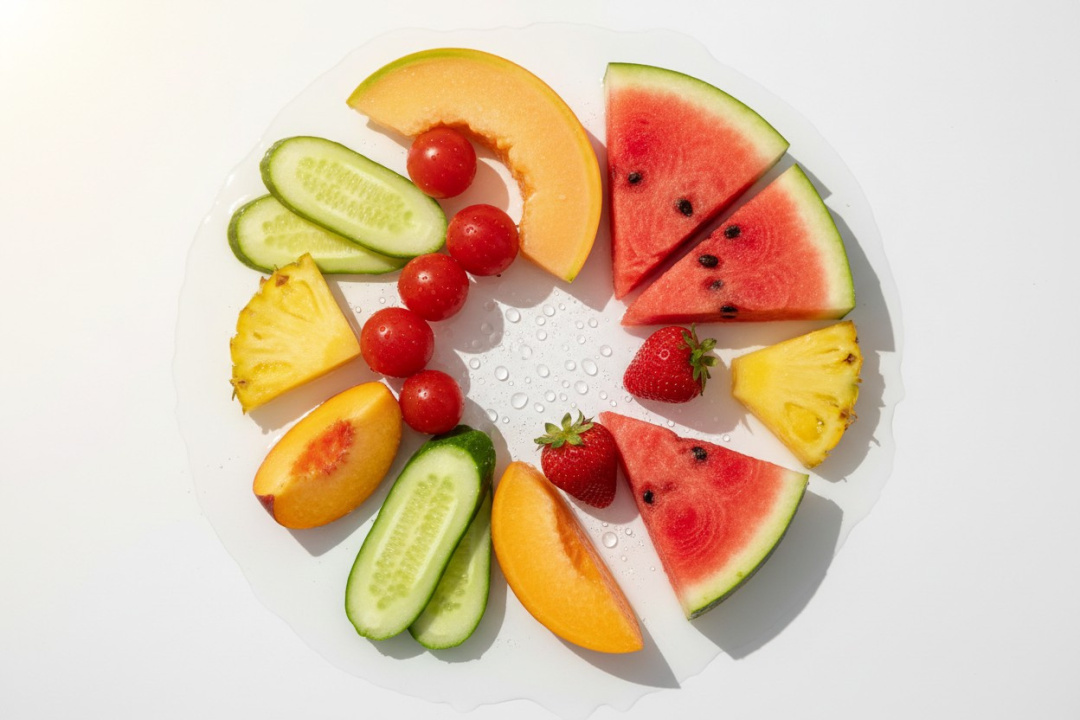
According to data from the U.S. Department of Agriculture (USDA), several fruits contain over 85% water, making them excellent supplemental sources of hydration. These fruits not only provide hydration but also deliver essential nutrients such as fiber, vitamins, minerals, and antioxidants. The eight fruits identified for their high water content, listed in descending order, are cucumbers, tomatoes, cantaloupe, watermelon, grapefruit, strawberries, peaches, and pineapple.
The human body is composed of approximately 60% water, necessitating daily fluid intake through both beverages and food. The 2020-2025 Dietary Guidelines for Americans recommend that adults consume 1.5 to 2 cups of fruit daily. Including these high-water fruits can help meet both hydration and nutritional needs. Cucumbers, for instance, lead the list with about 96% water content. They also offer vitamin K, which is important for bone health and blood clotting, along with magnesium, potassium, and manganese. Additionally, cucumbers contain fiber and natural plant compounds that may help reduce inflammation.
Tomatoes and cantaloupe each contain around 92.5% water. Tomatoes are a significant source of lycopene, a carotenoid with antioxidant properties that may protect the skin from sun damage. Cantaloupe, on the other hand, provides about 30% of the daily value for vitamin A per cup, which supports vision and immune function.
Watermelon, with approximately 91.4% water, is rich in vitamin C and lycopene, both of which are antioxidants that protect cells from oxidative stress. Emerging studies suggest that regular consumption of watermelon juice may help lower blood pressure and support heart health. Grapefruit, containing about 91.6% water, offers nearly 100% of the daily vitamin C requirement in one cup, along with flavonoid antioxidants such as naringin and naringenin, which are beneficial for fluid balance.
Strawberries, which are about 91% water, have been associated with a reduced risk of heart disease due to their anthocyanin and phenolic acid content. They are also high in vitamin C, which plays a role in collagen production and protects cells from damage. Peaches, with around 88.9% water, provide vitamins C and A, potassium, and phenolic antioxidants like flavonols. Pineapple, at approximately 86% water, contains vitamin C, vitamin B6, copper, and antioxidants such as gallic acid and ferulic acid, along with bromelain, an enzyme that may aid digestion.
These fruits not only contribute to hydration but also offer a variety of nutrients that support overall health. According to nutrition researchers, about 20% of daily water intake can come from food, with many fruits and vegetables serving as robust sources of water. The remaining 80% typically comes from beverages, but the water in fruits is accompanied by electrolytes and fiber, which may aid in fluid retention and promote feelings of fullness.
Antioxidants like lycopene, anthocyanins, and flavonoids found in these fruits have been linked to reduced oxidative damage and inflammation. A long-term study indicated that higher serum sodium levels, which suggest dehydration, are associated with accelerated aging and increased chronic disease risk.
Incorporating high-water fruits into a balanced diet can help maintain proper hydration and support long-term health. Nutrition experts recommend including a variety of these fruits in daily meals or snacks as a complementary method to ensure adequate hydration. The fruits listed—cucumbers, tomatoes, cantaloupe, watermelon, grapefruit, strawberries, peaches, and pineapple—offer diverse water percentages and nutrients without added sugars or artificial ingredients. By choosing these hydrating fruits, individuals can support their overall health while maintaining proper fluid balance, as emphasized by the dietary guidelines.