Modern Farming Practices and Their Impact on Micronutrient Levels in Our Diet
In recent discussions about healthy eating, the focus often centers on the importance of consuming fresh fruits and vegetables. However, a growing body of research suggests that the very foods we consider nutritious may not be as beneficial as they once were. David Montgomery, a geologist at the University of Washington, highlights that the mineral content in many food items has declined due to modern farming practices. His research, which includes a review of approximately 1,000 peer-reviewed studies, reveals that while macronutrient levels—such as carbohydrates, proteins, and fats—have remained stable, the levels of essential micronutrients like vitamins and minerals have not.
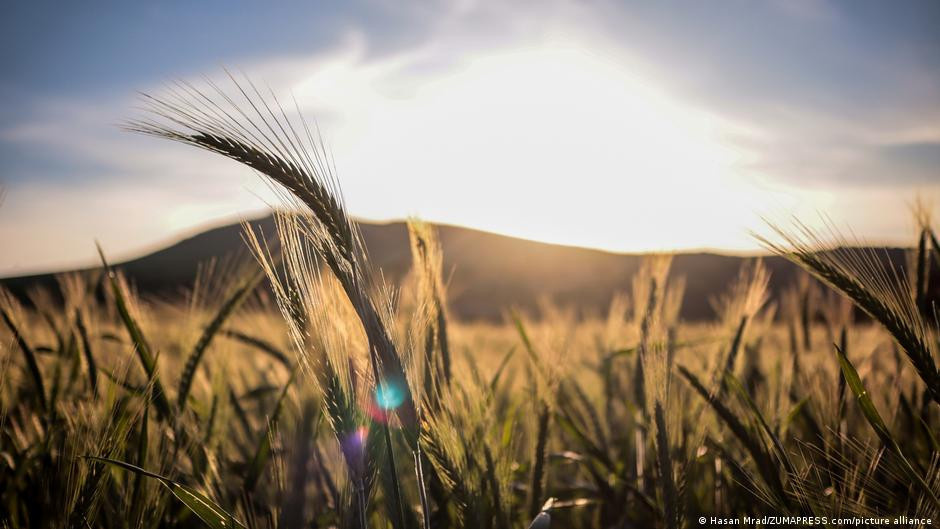
Montgomery explains that the phenomenon known as the "dilution effect" occurs when crops are bred for higher yields without a corresponding increase in their ability to absorb nutrients from the soil. For instance, when wheat is bred to produce double the amount, the nutrients are spread over a larger quantity of grain, resulting in lower nutrient density. This dilution can significantly affect the health benefits we derive from our food.
The soil quality plays a crucial role in the nutritional value of crops. Modern farming techniques, including tilling and the use of synthetic fertilizers, disrupt the natural balance of soil microbes and fungi, which are vital for nutrient absorption. Montgomery advocates for regenerative farming practices that minimize soil disturbance, maintain living plant roots, and promote crop diversity. Such practices can enhance nutrient cycling and increase the presence of beneficial phytochemicals in our food.
Phytochemicals, while not classified as essential nutrients, are known for their protective properties against environmental toxins and free radicals. They contribute to the overall health benefits of fruits and vegetables, enhancing both their nutritional value and flavor.
Nutritional scientist Astrid Donalies emphasizes that despite potential declines in nutrient levels, achieving a balanced diet is more accessible today than in the past due to the availability of a wider variety of foods year-round. She advises choosing seasonal and regional produce to ensure freshness and reduce environmental impact. Silke Restemeyer from the German Nutrition Society reinforces the importance of a varied diet, noting that higher fruit and vegetable consumption is linked to lower risks of chronic diseases such as hypertension and heart disease. She also recommends incorporating legumes, nuts, and whole grains into the diet for their health benefits.
Overall, while modern farming practices may pose challenges to the nutrient content of our food, a focus on dietary variety and sustainable farming methods can help mitigate these issues and promote better health outcomes.